PVAc wood glue is a water-based polyvinyl acetate adhesive family used for porous substrates such as wood, paper and board. Grade selection depends on the joint, materials, pressing process and service environment. This article distinguishes general PVAc applications from the documents and trials needed to select a Techbond grade.
At TECHBOND, we specialize in manufacturing high-performance water-based and hot melt adhesives. Our PVAC wood glue products are specially formulated to meet the stringent demands of wood product assembly, from furniture joints to veneer lamination and general wood bonding applications.
What is PVAC Wood Glue?
PVAC wood glue is a type of polyvinyl acetate-based adhesive, commonly used in bonding porous materials like wood, paper, and cardboard. It is water-dispersible, which means it is applied in liquid form and forms a strong, durable bond as the water evaporates during the curing process.
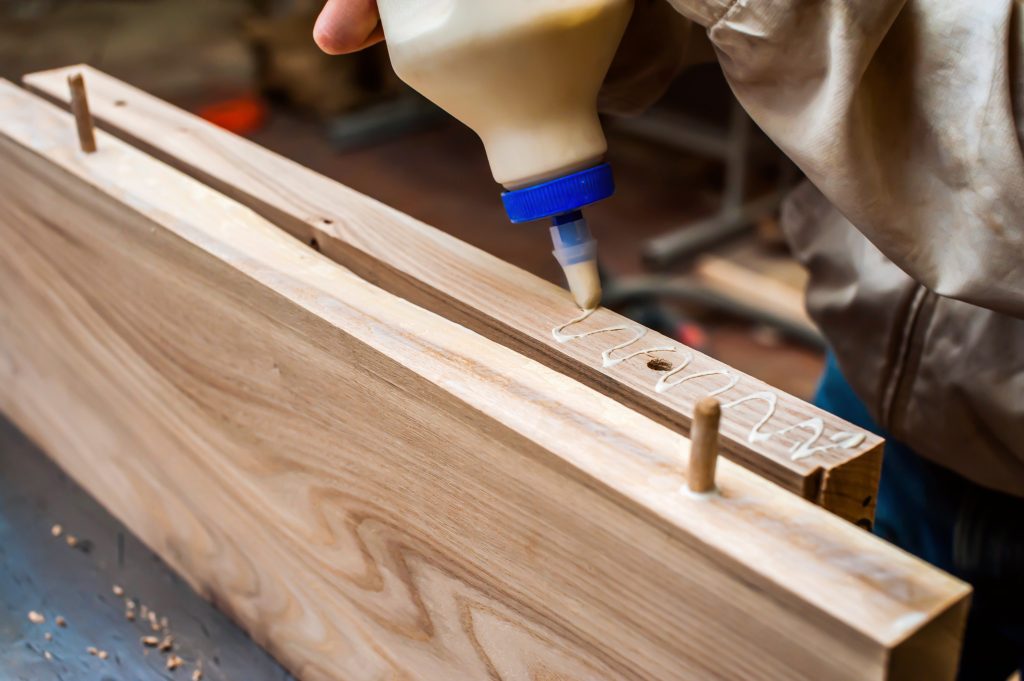
PVAC wood glue is a type of polyvinyl acetate-based adhesive, commonly used in bonding wood and paper
Names such as white glue or woodworking glue do not establish a product’s safety or suitability. Check the grade-specific SDS and supporting documents for the intended use, including any requirements for toys or food packaging.
Advantages of PVAC Wood Glue
PVAC adhesives bring several benefits that make them a top choice in wood glue applications:
Strong Bonding Strength
A suitable PVAc grade can be considered for wood assembly or veneer lamination. Confirm the substrate, moisture exposure and joint requirements; the name PVAc alone does not establish suitability for structural or load-bearing applications.
Water-Based and Environmentally Friendly
PVAc adhesives use water as a carrier. VOC content, hazards and ventilation requirements must be checked in the selected product’s SDS and supporting documents rather than inferred from the water-based label.
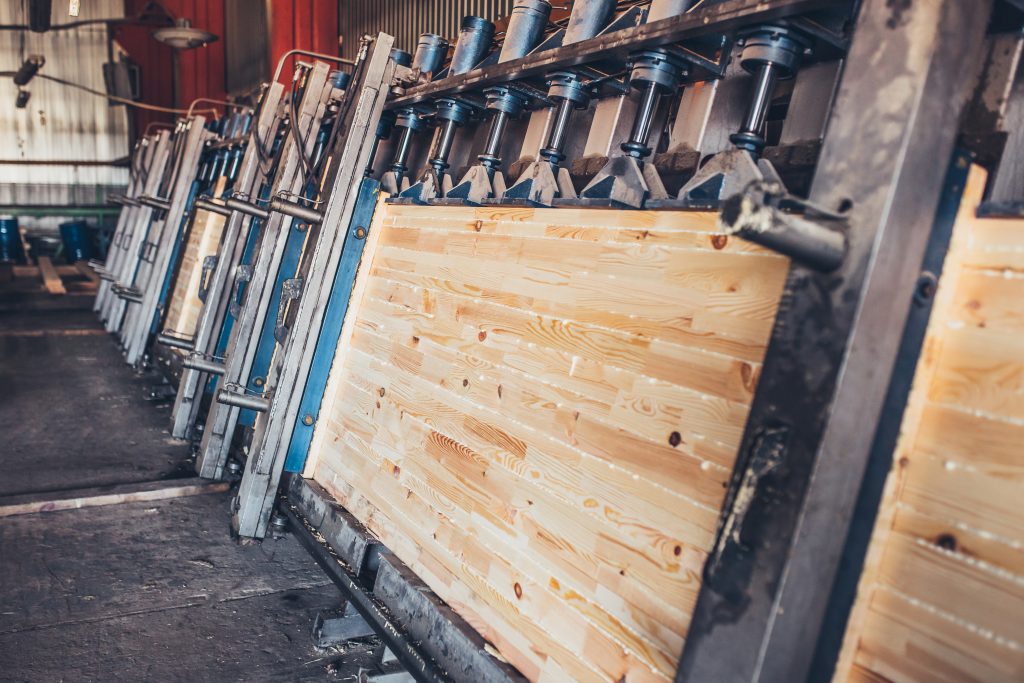
PVAC adhsive can be used for wood to wood lamination
Easy Application and Cleanup
PVAC glue can be applied by roller, brush, or automated equipment. Excess adhesive can be cleaned with water before curing, reducing mess and ensuring clean joints. This simplifies the production process and minimizes downtime.
Cost-Effective
Assess cost using adhesive consumption per accepted product, machine time, cleaning and rework, alongside the quoted price per kilogram. A general PVAc label does not establish which option has the lowest operating cost.
Grade-specific safety and indoor-use requirements
Maintain suitable workplace ventilation and follow the grade-specific SDS. An adhesive intended for furniture manufacturing is not automatically approved for every indoor, toy or consumer application.
Applications of PVAC Wood Glue in the Industry
At TECHBOND, our PVAC adhesives are engineered to meet a wide range of wood bonding requirements. Some common applications include:
-
Furniture Manufacturing: Bonding joints, dowels, and frames
-
Wood Lamination: Adhering veneer to core panels and surfaces
-
Interior Joinery: Gluing trims, moldings, and decorative wood elements
-
DIY and Craft Projects: General-purpose wood gluing
-
Cabinet Assembly: Attaching panels, supports, and edges
Suitability depends on the wood species, surface preparation and process. Test on the actual materials and equipment rather than applying one grade to all softwood, hardwood and engineered panels.
Types of PVAC Glue Offered by TECHBOND
TECHBOND provides several grades of wood water-based adhesive to suit specific production conditions and requirements. These include:
PVAC D2 Adhesive:
-
Designed for indoor use with low moisture exposure
-
Suitable for furniture and general joinery
PVAC D3 Adhesive:
-
Enhanced water resistance for environments with occasional moisture
-
Ideal for kitchen furniture, bathroom cabinets, and laminated wood panels
Distinguish D4 classification from adhesive chemistry
D3/D4 describe durability classifications, not the chemical identity of an adhesive. EPI is a separate two-component adhesive system and should not be called PVAc merely because a D4 classification is specified. Confirm the grade, hardener and test documentation; a D4 label does not establish heat resistance, chemical resistance or structural suitability.
Our research and development team continuously improves adhesive formulations to ensure high performance under various application conditions.
Why Choose TECHBOND’s PVAC Wood Glue?
As a leading adhesive manufacturer in Vietnam, TECHBOND brings several unique advantages to customers seeking reliable wood adhesives:
In-House Polymerization Technology
We control the polymerization process of PVAC resin, allowing us to fine-tune the adhesive’s characteristics to match specific bonding needs—such as open time, setting speed, and bonding strength.
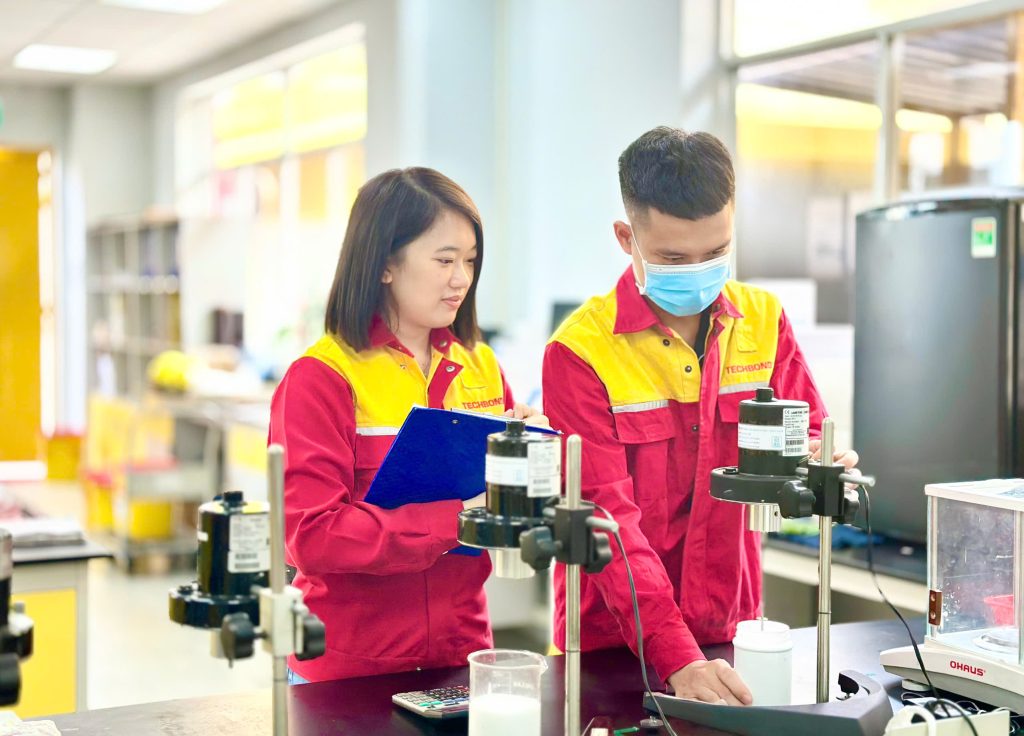
At TECHBOND, our R&D team is dedicated to creating cutting-edge adhesives through continuous innovation.
Tailored Solutions
Whether you’re producing furniture, plywood, or decorative wood products, our technical team works with you to select or develop the most suitable PVAC adhesive for your process.
International Quality Standards
Request the current TDS, SDS and applicable test or certification documents for the exact grade. Management-system certificates do not by themselves establish every adhesive’s performance or regulatory suitability.
Supply arrangements and technical advice
Confirm stock availability, manufacturing origin, lead time, technical support and order conditions for the proposed grade and delivery location.
Tips for Using PVAC Wood Glue Effectively
To get the most out of PVAC wood glue, consider these best practices:
-
Ensure Surface Cleanliness: Dirt, oil, or dust can weaken the bond.
-
Apply Evenly: Use rollers or brushes to ensure consistent coverage.
-
Clamp Properly: Maintain pressure while the adhesive cures to ensure a tight joint.
-
Pressing and conditioning: use the grade-specific TDS and production trials to establish press release and conditioning times. Do not use a universal 24-hour rule or equate press release with final bond strength.
Conclusion
PVAc wood glue should be selected for the intended materials and process. Confirm moisture classification, safety information and operating conditions for the exact grade, then compare results from production trials.
If you’re seeking high-performance wood adhesives that can elevate the quality and efficiency of your production, TECHBOND is here to help. Explore our range of PVAC adhesives or contact our technical team for a custom recommendation tailored to your business.
Techbond woodworking grades and selection enquiries
See the Techbond woodworking application and catalogue-grade table for finger jointing, lamination, edge banding and veneer splicing. FJ grades in the catalogue are listed as water-based; this alone does not establish that every FJ grade is PVAc. Request the exact TDS/SDS and confirm supply arrangements with Techbond Vietnam. Do not dilute a grade unless its instructions allow it.

Techbond Việt Nam supplies industrial adhesives for woodworking, paper, packaging and other manufacturing applications. The team supports adhesive selection based on customer materials and production processes.
Need advice on the right industrial adhesive?
Share your materials, application and production process. Techbond Việt Nam will help recommend a suitable solution.
Request a consultation