1
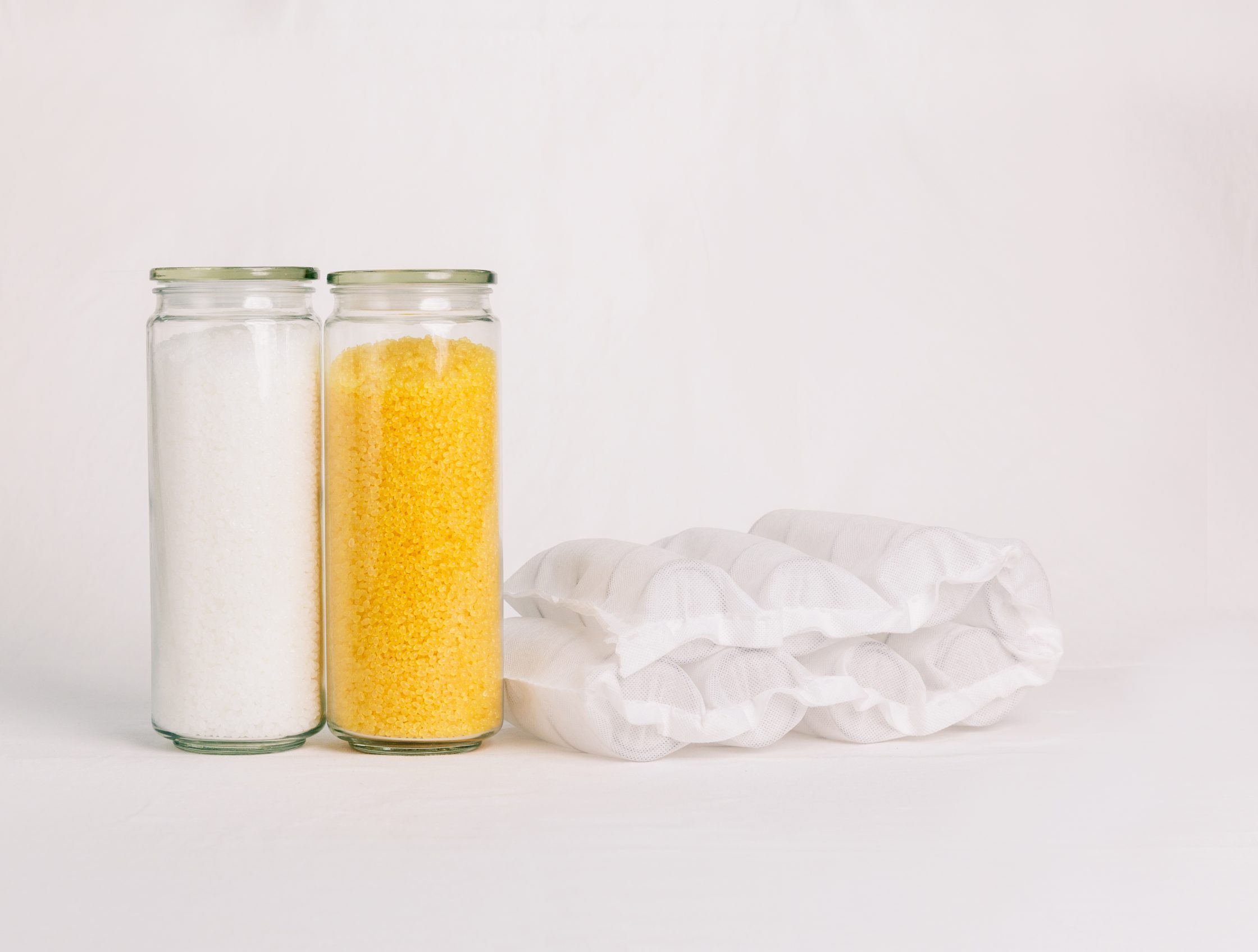
Pocket spring assembly adhesive – hotmelt adhesive that specifically designed for pocket spring making in mattress manufacturing process
2
Mattress assembly adhesive – hot melt adhesive for mattress application which has excellent adhesion on various substrates such as foam, felt and non-woven fabric.
3
PU Rebonding Adhesives – Moisture-cured one component polyurethane adhesive containing diphenyl methane diisocyanate. It is mainly use for production of rebonded foams.

MATTRESS ADHESIVES

Mattress quality depends on both the materials and the bonds that hold them together. Mattress adhesives affect durability, comfort and the appearance of the finished product. TECHBOND offers adhesive solutions for pocket springs, foam and mattress assembly.

TECHBOND mattress adhesives at a glance

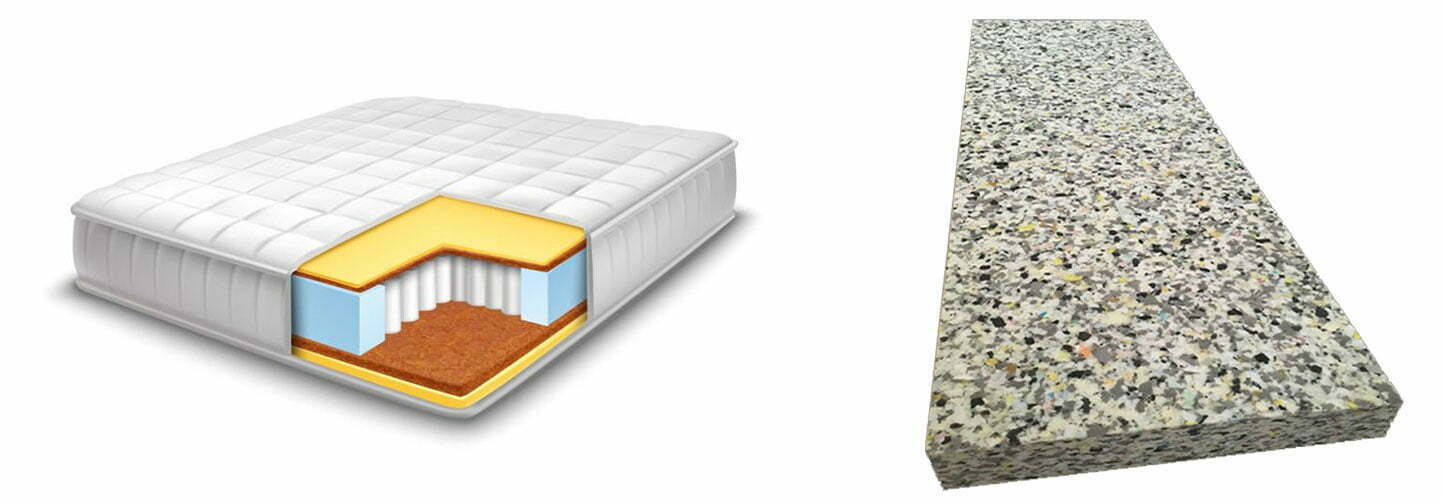
Modern mattresses may contain spring pockets wrapped in nonwoven fabric or bonded foam layers. Adhesives used for these assemblies need the appropriate flexibility, adhesion and heat performance for the chosen materials and process.

TECHBOND hot melt grades are used for mattress and foam production, including pocket spring assembly and bonding foam, felt and nonwoven fabric. The mattress and sofa industries may also use polyurethane adhesives for recycled foam bonding. Select the product according to the substrates and process conditions.

Applications of mattress adhesives

Mattress adhesives bond pocket spring units and help join the layers that form the mattress. They can also bond foam, felt and nonwoven fabric during assembly.

Different adhesive grades may be selected for spring pockets, mattress layers or recycled foam. Application method, setting time and the materials being joined determine which grade is suitable.

Advantages of TECHBOND mattress adhesives

Fast setting can support production throughput and reduce waiting time before the next assembly step. The appropriate adhesive grade can provide a flexible, durable bond while helping manufacturers manage odor and moisture during packing.

TECHBOND offers grades with different colors and processing temperatures for different equipment. Excessive heat can soften some hot melt bonds and reduce adhesion, so service conditions and the selected product’s technical data should be checked.

Hot melt adhesives are used in automated pocket spring production. Their suitability for a line depends on application temperature, equipment and target bond performance.

How to choose a mattress adhesive

Review the adhesive’s technical properties alongside the mattress materials and production method. Four useful parameters are viscosity, softening point, open time and set time.

Viscosity
Viscosity describes how easily the heated adhesive flows. Lower-viscosity grades may suit spray or lamination methods, while higher-viscosity grades may be applied by roller. Check the operating viscosity specified for the chosen grade and equipment.

Softening point
The softening point helps assess how the adhesive may respond to heat during storage, transport and use. It is one factor when selecting a grade for the required service conditions.

Open time
Open time is the working interval after application during which the substrates can be brought together to form the intended bond.

Set time
Set time is the time required for the joined materials to develop sufficient initial bond strength. Temperature, adhesive type, coat weight and substrates all affect open and set times.

How to order TECHBOND mattress adhesives

TECHBOND manufactures industrial adhesives for a range of mattress production needs. Share your substrates, application equipment, line speed and required bond properties with our team to discuss a suitable grade and its technical specifications.

TECHBOND MFG (VIETNAM) CO., LTD.

For pocket-spring assembly, see the pocket-spring adhesive selection and production-trial guide. Provide the fabric, machine type and line speed when requesting advice and trial support.