Choosing the right industrial adhesive helps manufacturers achieve reliable bonding, stable production and consistent finished products. The best product depends on the materials, joint design, application process, equipment, production speed and service conditions.
Table of Contents
Why adhesive selection matters
An adhesive that is not suited to the substrate or production process can lead to weak bonds, open joints, poor appearance, contamination and unnecessary production costs. Selecting a suitable product at the beginning helps reduce trial-and-error and supports more stable manufacturing.
1. Identify the materials to be bonded
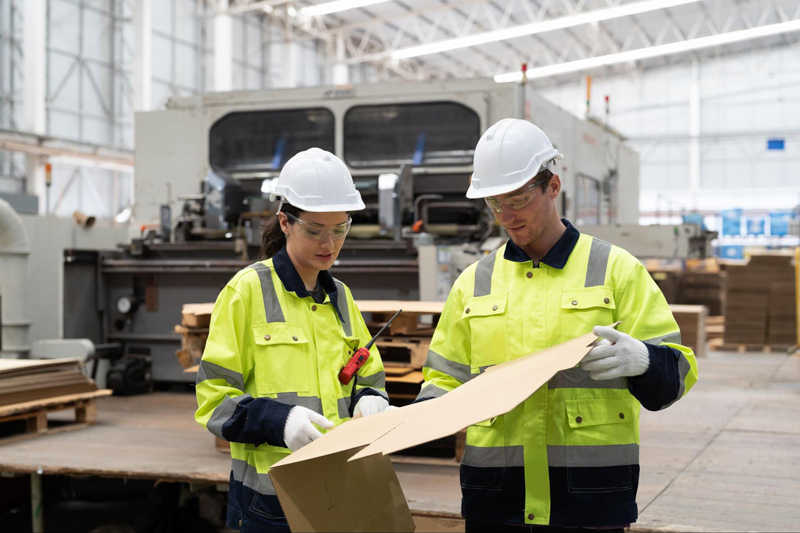
The substrate is the first factor to review. Common materials include natural wood, MDF, HDF, paper, carton, fabric, foam, metal and plastic. Surface coatings, moisture, porosity and cleanliness can significantly affect wetting and adhesion.
2. Define the required bond performance
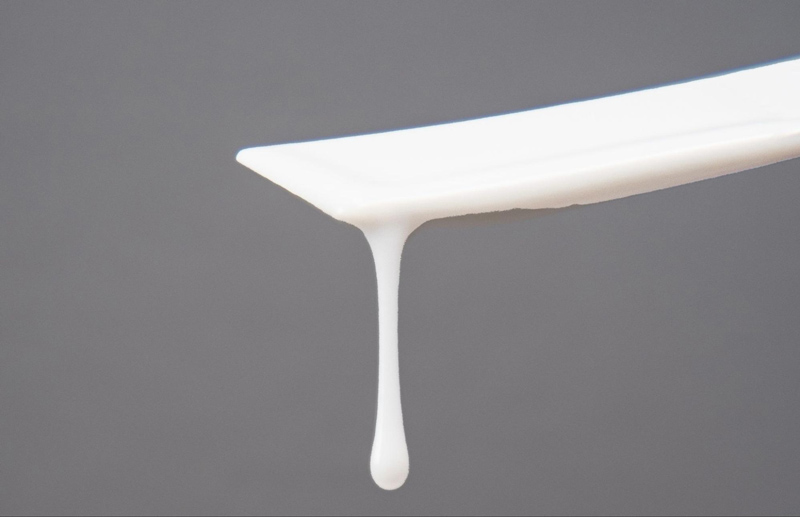
Consider the strength, flexibility, appearance and durability required for the finished product. Some applications may also require resistance to moisture, heat, vibration or handling stress. These requirements should be confirmed with the technical information for the selected product.
3. Review the production process
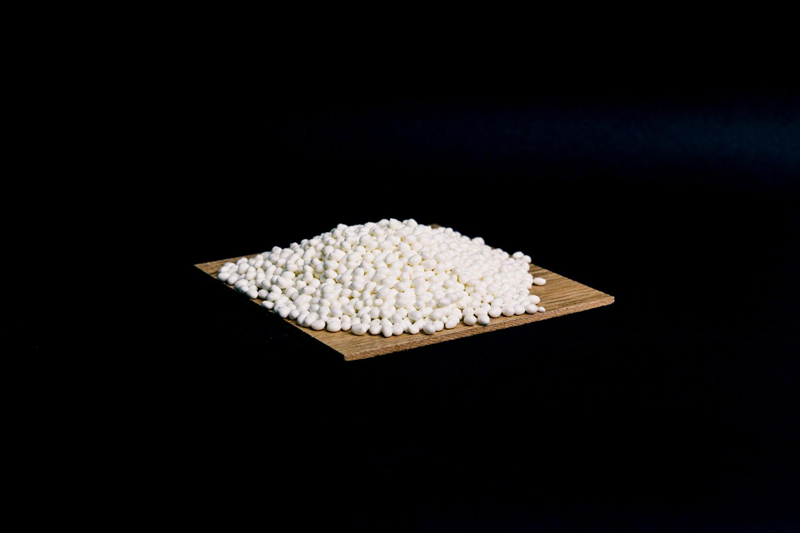
Application method, adhesive quantity, open time, pressing time, setting time and line speed all influence adhesive performance. A product that works well in manual application may not be suitable for an automatic high-speed line without process adjustments.
4. Match the adhesive to the equipment
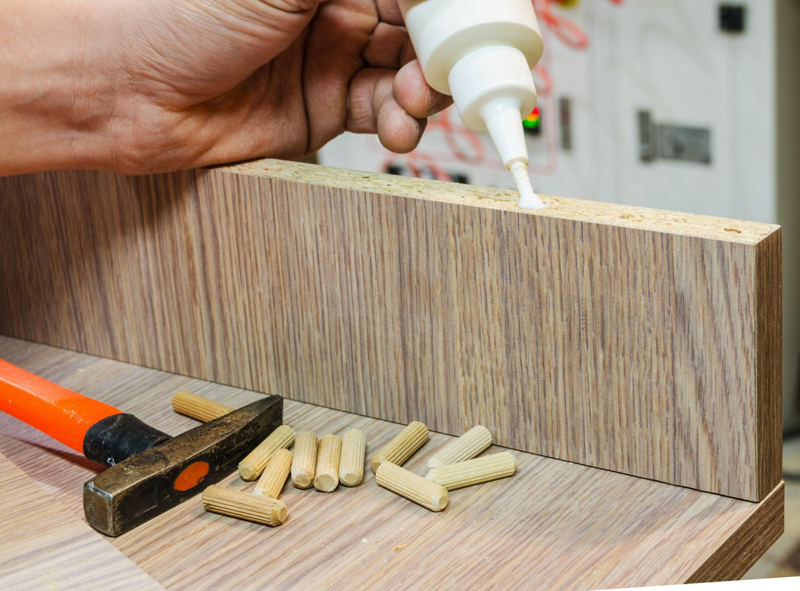
Check whether the adhesive is suitable for the available roller, nozzle, spray or other application equipment. For hot melt systems, temperature control and application temperature are important. For water-based adhesives, drying, ventilation and substrate absorption should be evaluated.

5. Consider the service environment
Review where and how the finished product will be used. Indoor and outdoor applications may require different performance. Humidity, temperature changes, water exposure and transportation conditions should be included in the evaluation.
Common industrial adhesive groups
- Water-based adhesives: often used for wood, paper, carton and other porous substrates.
- Hot melt adhesives: selected for fast setting and automated packaging, woodworking or assembly operations.
- Reactive systems: used where the application requires specific curing or performance characteristics.
- Sealants: used to fill gaps, seal joints and support protection according to the product specification.
Test before full production
A representative trial should be carried out before a product is released for full-scale production. Test the actual materials and process, then evaluate bond strength, appearance, setting time, machine cleanliness and performance after the expected service conditions.
Frequently asked questions
What is the most important factor when choosing an industrial adhesive?
Material compatibility is the starting point, but the complete production process and service environment must also be considered.
Can one adhesive be used for every application?
No. Different substrates, equipment and performance requirements may require different adhesive technologies or grades.
What information should be shared with TECHBOND?
Provide the substrate details, application method, line speed, equipment, current bonding issue and required performance. This information helps TECHBOND recommend a suitable testing direction.
TECHBOND – Your Technical Bonding Partner. Contact TECHBOND for technical consultation and industrial adhesive selection support.
Before selecting an industrial adhesive, manufacturers should also consider curing time, application temperature, open time and production speed. Surface preparation is equally important because dust, oil, moisture and uneven surfaces can reduce bonding performance. For high-volume production, the adhesive should be easy to apply, compatible with existing equipment and capable of delivering consistent results between batches. A small trial on representative materials is recommended before full-scale production. This test can evaluate bond strength, appearance, curing behavior and durability under actual operating conditions. TECHBOND can help manufacturers compare suitable adhesive solutions based on materials, equipment, production requirements and the expected service environment.
It is also useful to review storage requirements, packaging formats and technical support after purchase. These factors help maintain reliable application quality and reduce downtime during production.
Related articles: Explore the TECHBOND industrial adhesive product range, review woodworking adhesive solutions, and contact the TECHBOND R&D Centre for application-based adhesive selection support.

Need advice on the right industrial adhesive?
Share your materials, application and production process. TECHBOND will help recommend a suitable solution.
Request a consultation