
Hot melt adhesive is a solid thermoplastic adhesive that melts when heated, wets the bonding surfaces and develops strength as it cools. Its fast setting, clean application and compatibility with automated equipment make it common in packaging, woodworking, hygiene products, mattresses, bookbinding and assembly.
Nội dung bài viết
Introduction to hot melt adhesive
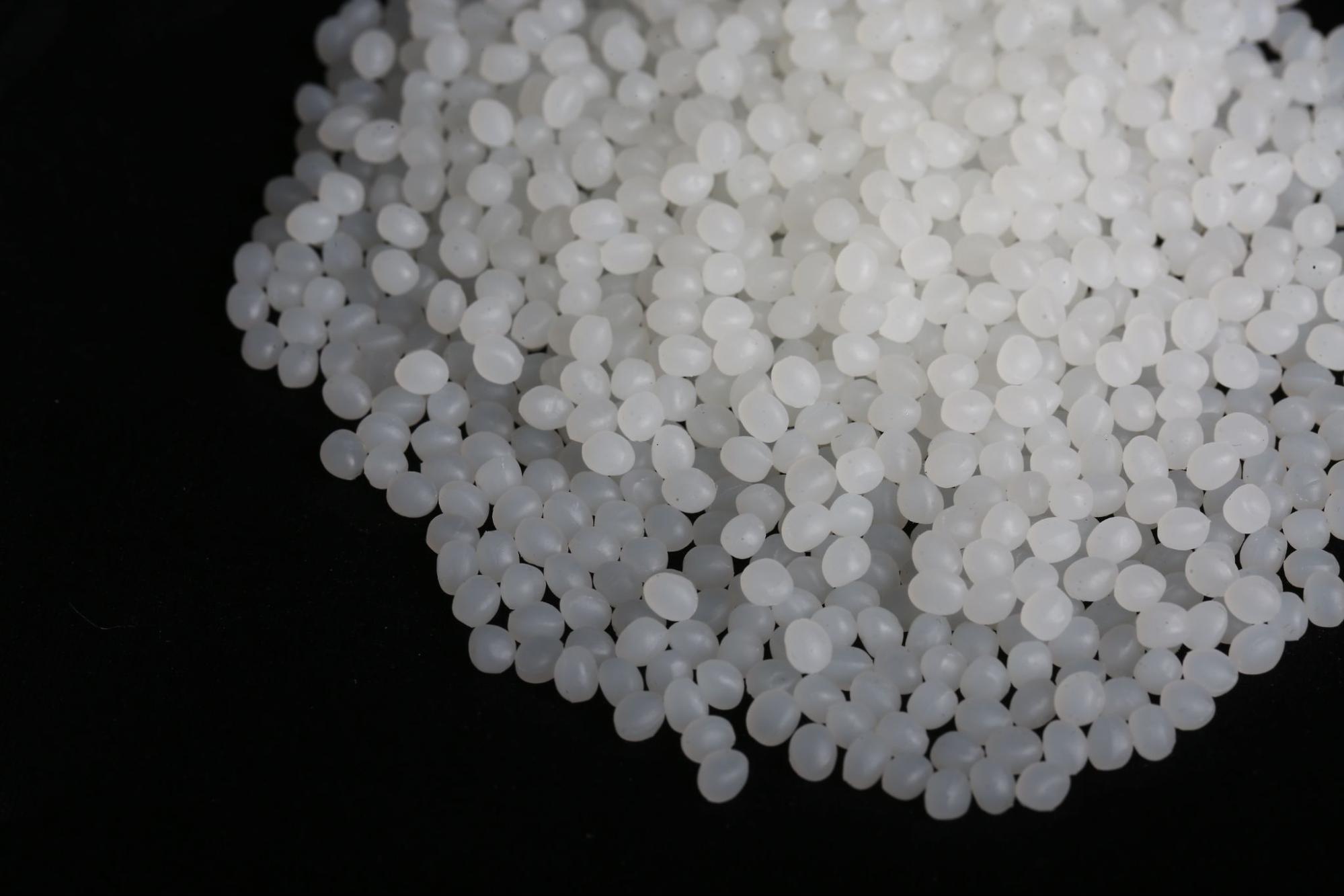
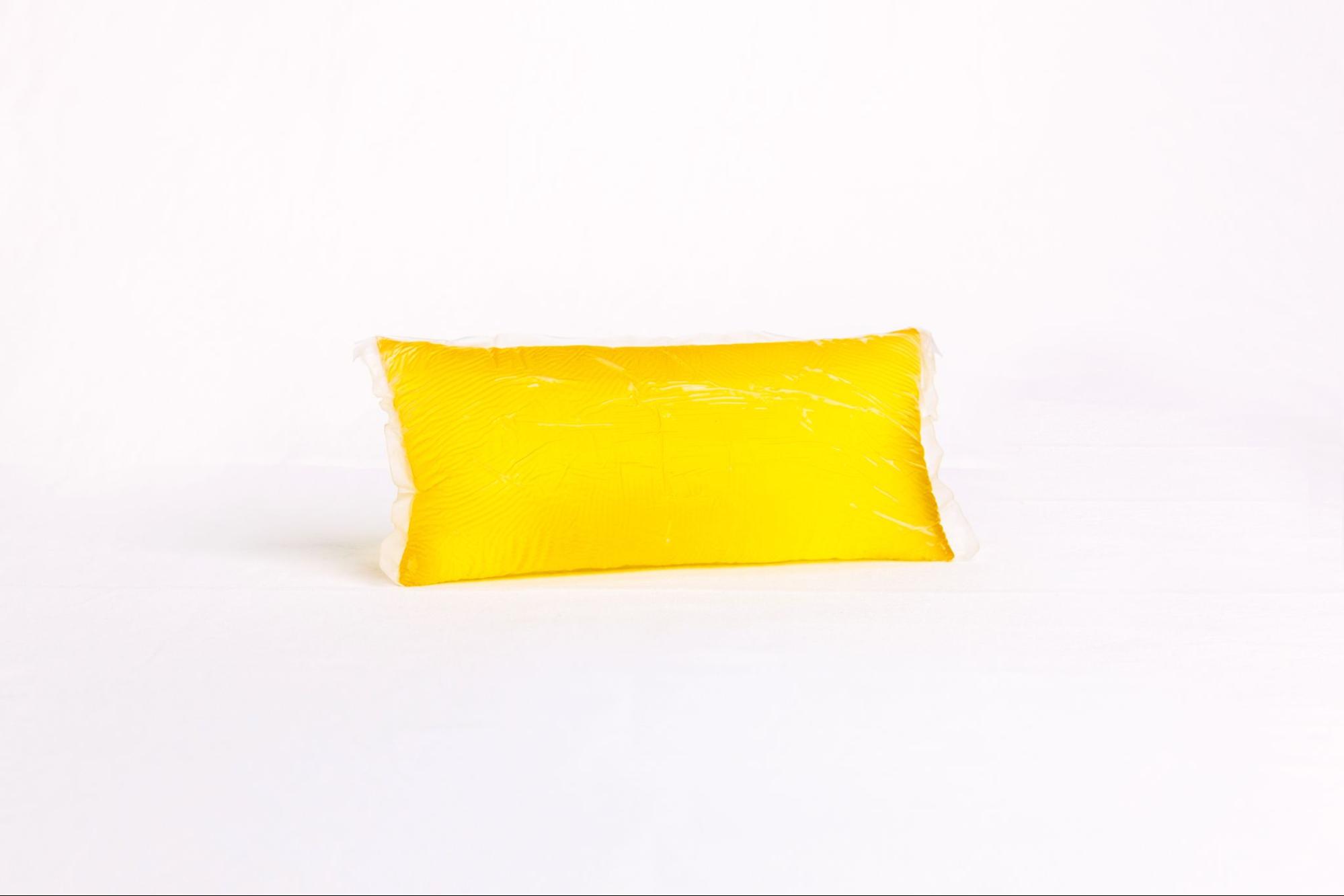
Hot melts are typically supplied as pellets, blocks, pillows, sticks or other solid forms. They contain little or no water and do not require solvent evaporation during setting. The exact polymer, tackifier, wax and additive system determines viscosity, open time, heat resistance, flexibility and substrate compatibility.
For a broader introduction, see what hot melt adhesive is and its main advantages.
Why is hot melt adhesive popular in industry?
Fast bonding and high initial strength
A suitable hot melt can form handling strength within seconds after application. This supports high-speed production and reduces the time needed to hold parts in position. Final performance still depends on the adhesive grade, substrate, coating amount, compression and cooling conditions.
Lower production time and operating cost
Hot melt systems can reduce drying space and support automated, repeatable application. Total cost should be evaluated through adhesive consumption, energy, maintenance, downtime and rejected products rather than price per kilogram alone.
Practical handling when used correctly
Because hot melts normally contain little or no solvent, they can simplify many production environments. Molten adhesive and heated equipment can cause burns, so guarding, temperature control, protective equipment and operator training remain necessary.
Easy integration with production equipment
Hot melt can be applied as beads, dots, films, spirals or spray patterns using compatible equipment. Stable temperature, clean nozzles and accurate coating weight help maintain consistent bonding.
High formulation flexibility
EVA, polyolefin, pressure-sensitive and reactive polyurethane hot melts serve different materials and service conditions. No single product is suitable for every surface or temperature requirement.
Frequently asked questions about hot melt adhesive
What is the working temperature of hot melt adhesive?
There is no universal temperature. Many conventional products are processed within a supplier-defined range, while low-temperature and reactive products may require different conditions. Always use the temperature stated in the technical data sheet. Excessive heat or long residence time may cause degradation, odor, discoloration and loss of bonding performance.
Which industries use hot melt adhesive?
Common applications include carton and case sealing, paper converting, labels, woodworking and edge banding, mattresses, hygiene products, bookbinding, filters, electronics and product assembly. The selected adhesive must match the substrate, equipment and end-use requirements.
Which surfaces can hot melt adhesive bond?
Depending on the formulation, hot melt may bond paper, cardboard, wood-based panels, textiles, foam, certain plastics, coated materials and metals. Surface energy, contamination, temperature and coatings strongly affect adhesion. Test the actual materials before production.
How should hot melt adhesive be stored?
Keep unopened material in its original labeled packaging, in a clean and dry place away from direct sunlight, excessive heat and moisture. Prevent dust and foreign material from entering opened packaging. Reactive PUR products require especially careful protection from moisture.
Can hot melt adhesive be used for food packaging?
Only use a grade whose documentation confirms suitability for the intended food-packaging construction and applicable regulatory requirements. Suitability depends on the adhesive, layer structure, application, temperature and contact conditions. Do not assume that every packaging hot melt is suitable for direct food contact.
Where should you buy hot melt adhesive?
Select a supplier that can provide technical and safety documents, batch consistency, equipment support, sample testing and troubleshooting. Share the substrate, line speed, application temperature, open time, service conditions and consumption so the supplier can recommend an appropriate grade.

TECHBOND develops hot melt solutions for packaging, woodworking, hygiene products and other industrial applications. For technical consultation, samples or a quotation, contact TECHBOND Vietnam at 0866 153 768 or info@techbond.com.vn.

TECHBOND Vietnam is a leading manufacturer of industrial adhesives in Vietnam. We specialize in providing a wide range of flexibly customized adhesive products to meet the diverse requirements of our customers.
Need advice on the right industrial adhesive?
Share your materials, application and production process. TECHBOND will help recommend a suitable solution.
Request a consultation







