
Hot melt adhesive for frozen food cartons must seal the carton reliably through packing, chilling, storage and transport. The right grade depends on the carton surface, application equipment and actual cold-chain conditions. This guide explains common failure points and the checks to make before selecting a hot melt adhesive for frozen food cartons. For background on the adhesive category, see the hot-melt adhesive overview.
Nội dung bài viết
Common bonding problems with frozen food cartons
A carton may be glued while dry and at room temperature, then moved into a colder, more humid environment. Changes in substrate, line settings and storage can expose a weak seal. Typical problems include:
- Weak adhesion: the adhesive may wet the carton poorly if its application temperature, amount or compression is unsuitable. Coated or laminated surfaces need particular attention.
- Overheated adhesive: excessive heat or long residence time can cause degradation and char. Stringing may also make the glue pattern uneven; diagnose it separately because temperature is only one possible cause.
- Substrate incompatibility: a grade that bonds untreated board may perform differently on PE, PP, UV-coated or other treated surfaces.
- Moisture and condensation: water on the bonding surface can interfere with wetting, while repeated humidity changes may weaken the carton or seal.
- Poor cold performance: some adhesive grades become brittle at low temperature, raising the chance of a flap opening during handling.
Check the carton material, glue pattern, measured application temperature, compression and storage conditions before changing several settings at once. For a general overview, see our carton box adhesive selection guide.
What to look for in a hot melt adhesive for frozen food cartons
Choosing a hot melt adhesive for frozen food cartons should be based on trials with the actual board, equipment and distribution cycle. The requirements below provide a practical starting point.
Adhesion to the carton surface
Frozen food cartons may use kraft or corrugated board, sometimes with a moisture-resistant coating or laminate. Bonding to exposed paper fibers differs from bonding to a treated surface. Test the precise contact area and coating, and check whether failure occurs in the adhesive, at the interface or in the paper itself.
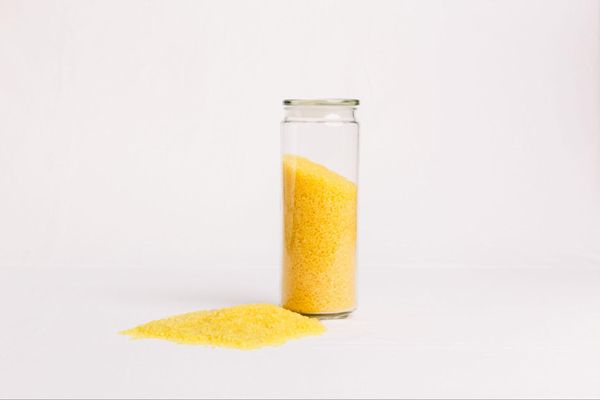
Test adhesion on the actual carton surface and after the intended cold-storage cycle.
Bond performance at low temperature
The finished seal must remain sound at the temperatures the carton will encounter during storage and transport. A range such as 0°C to −20°C may be relevant to an application, but it is not a universal performance rating for every adhesive. Define the product’s real temperature profile and test filled cartons after cooling, handling and any expected temperature changes.
For related selection factors, read how to choose an adhesive for carton box bonding.
Open time and setting speed
The adhesive needs enough open time for the flaps to meet, followed by a setting speed that suits the line. If it sets before compression, the bond may be weak. If it sets too slowly, the carton may spring open downstream. Confirm both values under the actual line speed and ambient conditions.
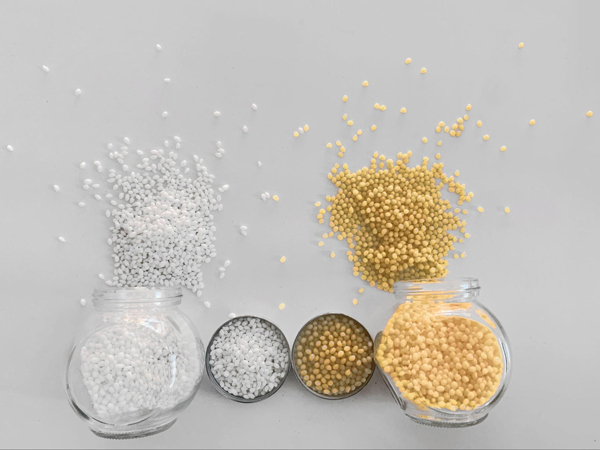
Match adhesive open time and setting speed to the carton sealing process.
Moisture resistance and package exposure
Assess how condensation, wet handling, oils or other substances could contact the bond line. The carton structure and coating also affect package integrity; adhesive alone cannot make a carton waterproof. Validate the complete package under the expected exposure conditions.
Applicable food-contact requirements
The food is normally separated from carton-sealing adhesive by the packaging structure. If direct or indirect food contact is possible, check the exact adhesive grade, packaging design and applicable regulations with the supplier before use. Do not assume that every hot melt grade is approved for food contact.
Choosing a TECHBOND carton-sealing adhesive
TECHBOND supplies industrial adhesive solutions for packaging applications. To identify a suitable grade for frozen food cartons, share the carton board and coating, the adhesive application system, packing speed, glue pattern, target storage temperature and handling conditions. A production trial can then check bond strength, cold performance and line stability.
- Test adhesion on the exact paper, coating or laminate used in production.
- Check the seal after cooling and simulated transport or handling.
- Confirm the adhesive’s recommended application temperature, open time and set time for the equipment.
- Review any food-contact documentation required for the finished package.
For help selecting a carton box adhesive, contact TECHBOND with a sample carton and your process requirements.
TECHBOND MFG (VIETNAM) CO., LTD.
- Address: No. 18 VSIP II-A, Street 23, Vietnam–Singapore Industrial Park II-A, Vinh Tan Ward, Tan Uyen City, Binh Duong Province, Vietnam
- Hotline: 0866 15 37 68
- Email: info@techbond.com.vn

TECHBOND Vietnam is a leading manufacturer of industrial adhesives in Vietnam. We specialize in providing a wide range of flexibly customized adhesive products to meet the diverse requirements of our customers.
Need advice on the right industrial adhesive?
Share your materials, application and production process. TECHBOND will help recommend a suitable solution.
Request a consultation







