
Hot melt adhesive troubleshooting starts with the symptom, then checks the adhesive, application temperature, equipment and substrate. Changes in ambient conditions or machine settings can produce defects even when the adhesive grade stays the same. Use the supplier’s technical data and the equipment maker’s instructions when adjusting a production line. For background on the material, see hot melt adhesive.
Nội dung bài viết
1. Adhesive stringing at the nozzle
Stringing leaves fine strands between the nozzle and the substrate. It can waste adhesive, mark the product and disrupt the intended bead position. See our guide to hot melt adhesive for an overview of the material.
| Possible cause | Check or corrective action |
|---|---|
| Viscosity is too high at the application point. | Check actual nozzle temperature against the adhesive’s specified operating range. Increase temperature only within that range, or trial a suitable lower viscosity grade. |
| Adhesive grade and application temperature do not match. | Confirm the recommended range with the supplier and select a compatible grade if needed. |
| Nozzle is too far from the substrate. | Reduce the distance and verify bead placement at line speed. |
| Nozzle is dirty, worn or damaged. | Clean or replace it according to the equipment procedure. |
| Airflow or ambient temperature changes rapidly. | Stabilize the application zone and shield the bead from direct drafts. |
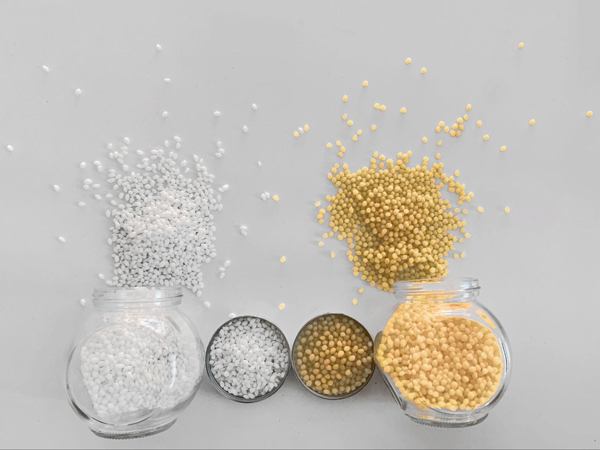
Stringing can often be reduced by checking temperature, distance and nozzle condition.
2. Adhesive drips from the nozzle
In hot melt adhesive troubleshooting, dripping means material continues to leave the nozzle when the bead should stop. Inspect the applicator before changing the adhesive.
| Possible cause | Check or corrective action |
|---|---|
| Contaminated or damaged nozzle, or worn valve. | Inspect and clean the nozzle; replace worn parts as needed. |
| Solenoid valve is loose, leaking or incorrectly installed. | Check installation and reseat or repair the valve. |
| Air pressure is low or unstable. | Check supply pressure and settings against the equipment specification. |
3. Too little adhesive or uneven flow
For hot melt adhesive troubleshooting, when the bead is interrupted or too small, inspect the complete delivery path. A blocked nozzle is only one possible cause.
| Possible cause | Check or corrective action |
|---|---|
| Blockage or foreign material at the nozzle. | Clean the nozzle and inspect the adhesive and tank for contamination or degradation. |
| Insufficient spray or dispensing pressure. | Verify stable pressure and inspect the applicator. |
| Temperature is below the grade’s operating range. | Measure actual temperature and adjust within the supplier’s range. |
4. Adhesive chars, smokes or smells burnt
Darkened, thickened adhesive or smoke from the tank can indicate overheating or prolonged thermal exposure. Stop and follow the site’s safety procedure if abnormal smoke appears.
| Possible cause | Check or corrective action |
|---|---|
| Set point is too high or adhesive stays hot too long. | Check the controller and reduce temperature within the specified range. Use standby or shut down when appropriate. |
| Temperature control is inaccurate. | Check sensors and heaters; repair faulty components. |
| Adhesive is oxidized or lacks sufficient thermal stability for the process. | Clean the system, limit exposure to air and trial a suitable grade. |
5. Poor wetting or weak adhesion
In hot melt adhesive troubleshooting, weak bonds can result from inadequate adhesive coverage, a contaminated surface, or insufficient contact while the bead is still able to wet the substrate. Diagnose each factor separately.
| Possible cause | Check or corrective action |
|---|---|
| Adhesive is too cool or too viscous. | Verify application temperature within the approved range. |
| Coat weight is too low. | Measure the bead and adjust dispensing settings or nozzle size as appropriate. |
| Wax, oil or other contamination is present. | Clean or prepare the surface and test a grade suited to the substrate. |
| Open time or compression is inadequate. | Check assembly timing, pressure and cooling conditions. |
6. Adhesive lands in the wrong position
Misplaced beads can cause waste or a weak seal, especially on fast moving cartons.
| Possible cause | Check or corrective action |
|---|---|
| Low application temperature delays flow. | Check actual temperature without exceeding the adhesive’s limit. |
| Trigger timing does not match line speed. | Synchronize the applicator with the carton position. |
| Nozzle switch or valve is worn. | Clean, inspect and repair the applicator. |
| Tank level is low or adhesive is degraded. | Check material condition and refill or clean the system as required. |
7. Hot melt adhesive changes color
Color change may indicate contamination, oxidation or excessive heat exposure. Compare fresh material with the material in the tank.
| Possible cause | Check or corrective action |
|---|---|
| Adhesive is contaminated during storage or filling. | Store it as directed, keep the tank clean and prevent foreign material from entering. |
| Actual temperature exceeds the recommendation. | Measure temperature independently and calibrate the control system. |
8. Bubbles appear at the nozzle or on the substrate
The bubble location helps narrow the cause. Moisture or air entry should be investigated before adjusting the adhesive formulation.
| Where bubbles appear | Check or corrective action |
|---|---|
| At the nozzle. | Check moisture in the tank or material. Inspect valves and seals for air ingress. |
| On the bonded surface. | Check substrate moisture and repeat the trial on a dry test surface. |
Keep a troubleshooting record
For reliable hot melt adhesive troubleshooting, record the adhesive grade and batch, actual temperatures, pressure, line speed, nozzle condition, coat weight and substrate. Change one variable at a time and compare finished bond performance. TECHBOND can help assess whether a process adjustment or a different adhesive grade is more suitable. Explore our paper and packaging adhesives and two component adhesive guide for related applications.
TECHBOND MFG (VIETNAM) CO., LTD.
Address: No. 18, Street 23, VSIP II-A Industrial Park, Vinh Tan Ward, Tan Uyen City, Binh Duong Province, Vietnam
Sales hotline: +84 866 15 37 68
Email: info@techbond.com.vn

TECHBOND Vietnam is a leading manufacturer of industrial adhesives in Vietnam. We specialize in providing a wide range of flexibly customized adhesive products to meet the diverse requirements of our customers.
Need advice on the right industrial adhesive?
Share your materials, application and production process. TECHBOND will help recommend a suitable solution.
Request a consultation







