
Edge gluing wood panels joins narrower boards side by side to make a wider panel. A sound result depends on square edges, consistent wood moisture, even adhesive coverage and pressure maintained for the correct time. This guide compares common pressing methods and explains when a two component woodworking adhesive may be appropriate. For general adhesive background, see wood glue.
Nội dung bài viết
What is edge gluing?
In edge gluing, boards are aligned along their long edges, coated with adhesive and pressed into a wider panel. These panels can be used for tabletops, cabinet parts, shelves, doors and other wood products. The process makes productive use of smaller pieces, but the finished panel must still meet its required strength, stability and appearance specification.
- Material use: Narrow strips can become a larger panel when sound wood is selected and defects are removed.
- Design flexibility: Manufacturers can choose panel width, grain arrangement and finish for the final product.
- Controlled quality: Good joints depend on moisture matching, machining and adhesive selection; gluing alone does not prevent wood movement.
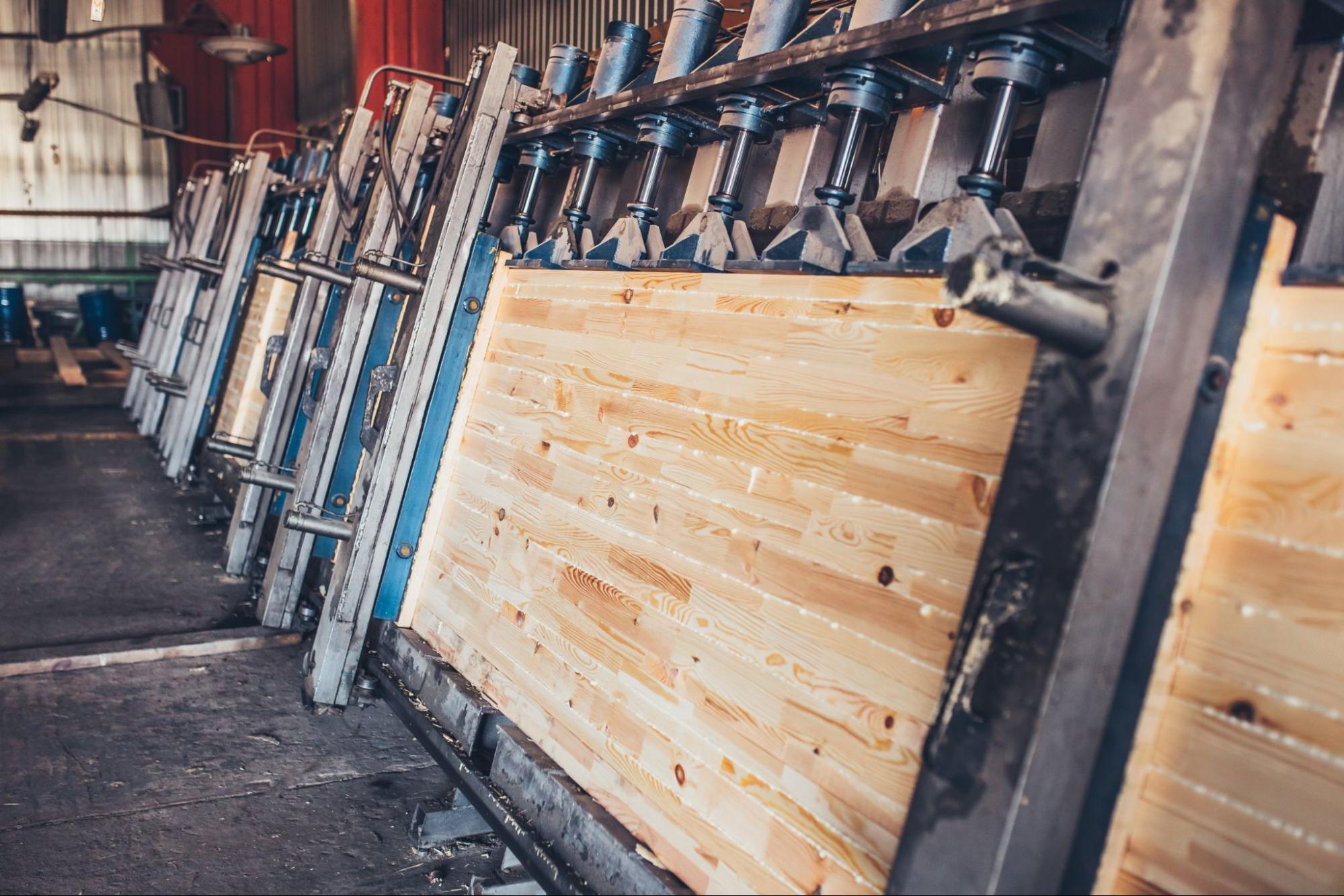
Two related processes need different planning. Edge to edge gluing joins long board edges into a wider panel. Face to face lamination stacks surfaces to build thickness. The second process has a larger bond area and different press, spread and curing requirements. This article focuses on side by side panel assembly.
Five common pressing methods for edge glued panels
The press method should match the adhesive system, panel size and line speed. The following comparison reflects the methods described in the Vietnamese source; exact press times depend on the adhesive grade, wood and equipment.
| Method | Advantages | Limitations | Typical use |
|---|---|---|---|
| Radio frequency pressing | Uses electromagnetic energy to heat the bond area and can shorten the production cycle when the adhesive is compatible. | Higher equipment cost and process setup requirements. | Higher throughput lines and larger panels after process validation. |
| Cold pressing | Mechanical pressure without added heat; equipment and operation can be relatively simple. | Longer press and cure time may be needed. | Panels where the production schedule allows a longer cycle. |
| Manual or fan clamps | Flexible for changing panel sizes with a lower initial equipment cost. | More operator time and attention to uniform pressure. | Small workshops and custom products. |
| Hydraulic pressing | Controlled force and repeatable settings for larger production runs. | Higher investment and maintenance needs. | Industrial panel production. |
| Hot pressing | Heat and pressure may accelerate a compatible adhesive process. | Temperature must be controlled to avoid wood damage or adhesive problems. | Suitable engineered wood and laminated products using a validated process. |
No press method guarantees a strong bond by itself. For edge gluing wood panels, check the actual pressure distribution, temperature, open time and panel performance in a production trial.
When to consider a two component D4 adhesive
The source article discusses TECHBOND two component white glue for wood panel assembly. A two component system is mixed with its specified hardener before use. The grade may suit applications requiring particular water resistance or bond performance, provided the exact product and assembly meet the intended requirements. Review the product technical data and test the full joint. Learn more about two component wood adhesives.
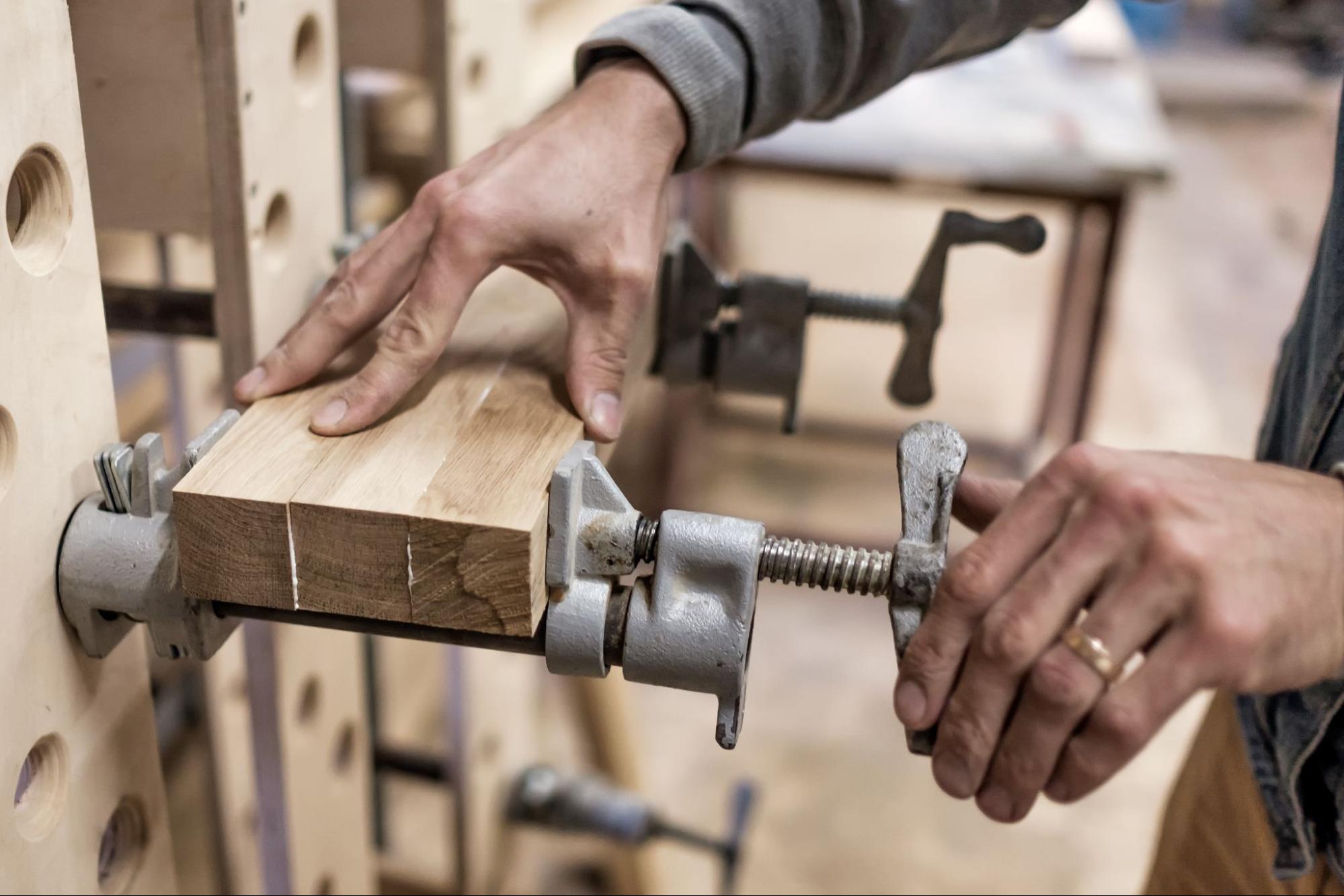
Selection points for a D4 grade
- Moisture exposure: Confirm the stated resistance classification and the finished product’s service conditions with grade specific documentation.
- Wood and surface: Check adhesion on the actual wood species, including dense or oily stock.
- Production fit: Verify mix ratio, pot life, open time, press time and cleaning procedure for the line.
- Finished product: Check the relevant emission and other requirements using the supplied test reports for the exact grade; do not assume a claim applies to every formulation.
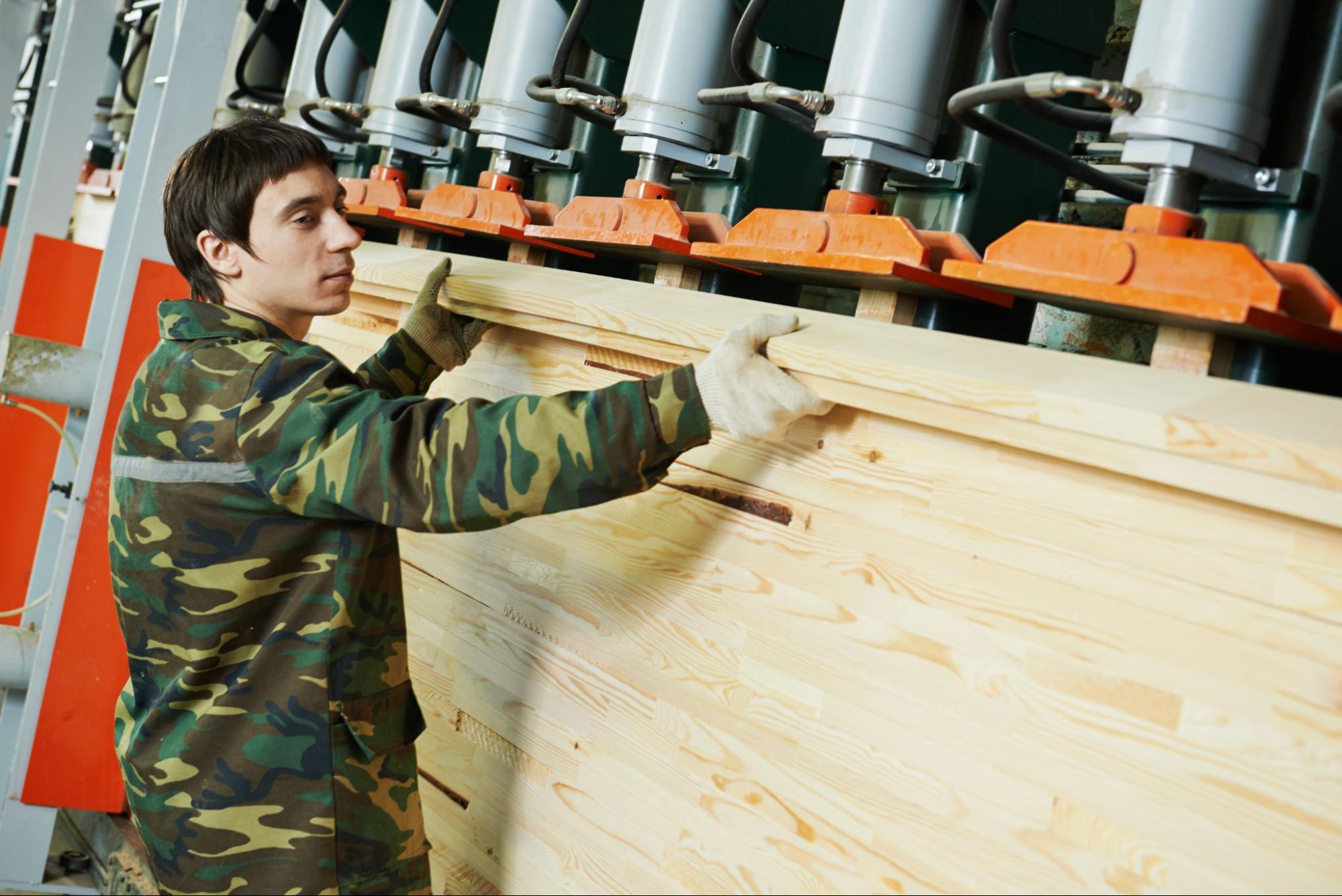
Practical workflow for edge gluing wood panels
Prepare the wood and edges
Remove dust and oil, check that the mating edges are straight and square, and match the moisture condition of adjoining boards. The source suggests an 8–12% moisture range, but the target should follow the species, service conditions and adhesive guidance.
Mix the adhesive correctly
If using a two component product, measure resin and hardener according to the technical data sheet. Mix thoroughly and use the batch within its stated pot life. The source gives a 40 minute example; this is not a universal setting.
Apply an even glue line
Spread the recommended amount over the prepared edges without dry spots. The source gives an example spread of 250–300 g/m². Actual coat weight depends on product grade, wood absorption and joint geometry, and should be set through line trials.
Press, condition and inspect
Assemble within the open time and apply uniform pressure. Set press pressure, temperature and duration for the selected adhesive and method. After release, allow enough time before machining or loading the panel. Inspect for gaps, squeeze out, misalignment and weak joints.
Ask TECHBOND about the right adhesive
For edge gluing wood panels, TECHBOND can review your wood species, press method and production targets, then recommend grades for testing. Explore our woodworking adhesive range. You can also compare other systems in our industrial adhesive overview. A controlled trial on your own line is the best basis for final selection.
TECHBOND MFG (VIETNAM) CO., LTD.
Address: No. 18, Street 23, VSIP II-A Industrial Park, Vinh Tan Ward, Tan Uyen City, Binh Duong Province, Vietnam
Sales hotline: +84 866 15 37 68
Email: info@techbond.com.vn

TECHBOND Vietnam is a leading manufacturer of industrial adhesives in Vietnam. We specialize in providing a wide range of flexibly customized adhesive products to meet the diverse requirements of our customers.
Need advice on the right industrial adhesive?
Share your materials, application and production process. TECHBOND will help recommend a suitable solution.
Request a consultation







