
PUR adhesive for furniture manufacturing can provide durable bonds and moisture resistance in suitable applications after full cure. Results depend on the exact adhesive grade, substrate, equipment and process settings. This guide explains five potential benefits, the limits to check and a practical trial plan before choosing a product for a furniture line.
Nội dung bài viết
What is PUR adhesive?
Reactive polyurethane hot melt adhesive is heated for application and then continues to react with moisture in the air or substrate as it cures. Its viscosity, open time and final properties depend on the formulation. Read the technical data sheet (TDS) for the specific grade and confirm its performance on the actual production line. For background on the polymer family, see polyurethane.
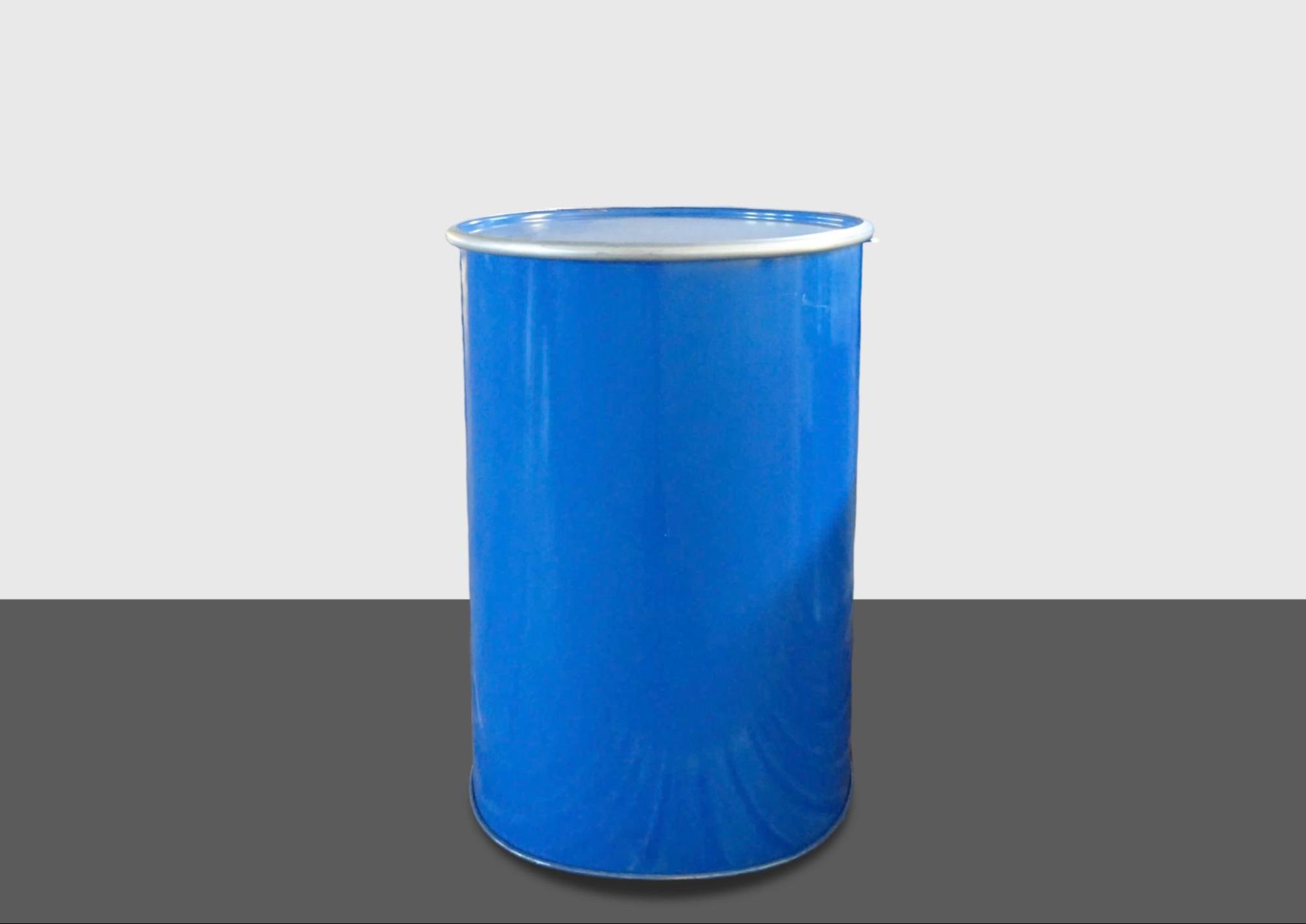
Why consider PUR adhesive? Five potential benefits
1. Durable bonds on compatible materials
For PUR adhesive for furniture manufacturing, a correctly selected grade can form a strong bond between suitable surfaces. This depends on surface preparation, adhesive quantity, temperature and pressure. A good result on one material pair does not prove that the grade will perform the same way on another.
2. Moisture resistance after curing
Some PUR systems offer useful moisture resistance once fully cured. This can matter for furniture exposed to humidity, including kitchen and bathroom components. The level of resistance varies by product and joint design. Check the exact TDS and test the finished assembly under its expected service conditions; no bond should be described as universally waterproof.
3. A fine glue line
In a suitable edge banding process, correctly adjusted equipment can produce a narrow, neat glue line. Appearance depends on the board, edge material, application rate and machine setup, as well as the adhesive.
4. Heat performance appropriate to the grade
Heat resistance is not identical across PUR formulations. Compare the documented performance with the temperatures that the furniture may encounter during transport, installation and use. Test representative bonded samples where heat exposure is a design concern.
5. Options for different furniture materials
Depending on the grade, PUR can be evaluated for combinations involving engineered wood, veneer, laminate and other decorative surfaces. Confirm adhesion to both sides of the joint and any surface treatment or coating. See the English overview of PUR adhesive applications for more context.
What to check before selecting PUR adhesive for furniture manufacturing
Materials and end use
Identify the board core, edge strip or decorative layer to be bonded. Record their moisture condition, surface energy, cleanliness and coating. State whether the finished product will face humidity, heat or cleaning agents, then set acceptance criteria for the joint.
Technical parameters
Check viscosity, processing temperature, open time, application amount and storage conditions for the exact product code. Avoid transferring machine settings from another grade without a controlled trial.
Equipment and process compatibility
Make sure the melter, tank, hoses and application system are suitable for reactive PUR. Monitor line speed, temperature, coat weight and pressure. Follow the equipment and adhesive supplier’s cleaning and shutdown instructions to limit premature curing in the system.
Curing and quality checks
For PUR adhesive for furniture manufacturing, full cure time depends on the grade and environment. Allow the time specified in the TDS before judging final strength or moisture performance. Choose tests that reflect the finished furniture’s actual use, such as visual glue line inspection, peel or bond testing and conditioning where relevant.
A five step production trial
- Record the inputs: Note substrate grades, coatings, adhesive code and batch, and relevant ambient conditions.
- Set the machine: Use the TDS and equipment guidance for temperature, speed, coat weight and pressure.
- Run representative samples: Use the actual materials and production equipment.
- Wait for cure: Test bond strength and appearance after the recommended cure period.
- Compare results: Change one setting at a time, document outcomes and retain a qualified reference sample.
Choosing a PUR grade with TECHBOND
When asking why to choose PUR adhesive for furniture manufacturing, start with the intended application and specific grade. PUR may be a good option when its bond properties, process needs and appearance meet the product specification. TECHBOND can review the materials and line setup, suggest grades to trial and help plan the evaluation. Our woodworking adhesive range covers other furniture bonding needs as well.
Contact us about a PUR application
Share your substrates, machine type and bond requirements so TECHBOND can discuss the next test. Sales hotline: +84 866 15 37 68. Email: info@techbond.com.vn.

TECHBOND Vietnam is a leading manufacturer of industrial adhesives in Vietnam. We specialize in providing a wide range of flexibly customized adhesive products to meet the diverse requirements of our customers.
Need advice on the right industrial adhesive?
Share your materials, application and production process. TECHBOND will help recommend a suitable solution.
Request a consultation







