
How temperature affects hot melt adhesive depends on the adhesive grade, application equipment, substrate and conditions after bonding. Temperature changes the melt’s flow and wetting during application. It can also change the strength of the finished joint in storage or use. This guide explains the main effects and the checks that help keep a production line stable.
Nội dung bài viết
Why temperature matters during hot melt application
Most conventional hot melt adhesives soften when heated and develop initial strength as they cool. Reactive grades, such as some PUR hot melts, also cure through a subsequent chemical reaction. Each grade has a recommended application range, so a single temperature setting cannot be used for every adhesive.
The tank, heated hose and nozzle can be at different temperatures. Check the actual process, not only the setpoint shown on one controller. If a melt is too cool at the point of application, it may be too viscous to wet the surface before the parts meet. Excessive heat or long residence time can degrade the adhesive, increase char and disrupt the glue pattern. See our hot melt adhesive temperature guide for grade-selection factors.
Temperature and bond strength
A strong joint requires the adhesive to contact and wet both substrates before it sets. Application temperature affects viscosity and flow, but bond strength also depends on the surface, coat weight, open time and compression. The working range on a technical data sheet is a starting point for a line trial, not a guarantee for every substrate.

Application temperature can change wetting and finished bond strength.
At an excessively high application temperature, the adhesive may lose quality through thermal degradation, especially if it stays hot for too long. At too low a temperature, poor flow or early setting can prevent a complete bond. Neither outcome can be diagnosed from temperature alone: inspect the glue pattern, surface condition and finished joint as well.
Temperature and the finished joint’s heat resistance
The temperature used to apply a hot melt is different from the temperature the finished joint can withstand. A conventional thermoplastic bond may soften under heat, while different formulations and reactive grades have different service performance. Compare adhesive grades using the supplier’s test method and the product’s expected heat, load and humidity cycle.

Test the bonded assembly at its actual service temperature and load.
Heating an adhesive above its recommended processing range can lead to char, discoloration or other degradation. A statement that a particular polymer or adhesive withstands one fixed temperature is not sufficient for selecting a grade; the formulation, substrate and test conditions matter. Ask for the exact grade’s technical data and validate the finished assembly. Our technical specifications checklist explains the key values to review.
Temperature and melt viscosity
Viscosity describes a melt’s resistance to flow. For many hot melts, viscosity falls as temperature rises within the usable range. This can improve flow up to a point, but turning up the heat to solve every application problem may increase stringing, adhesive spread, degradation or burn risk. Too much flow can also make it difficult to keep the intended bead in place.
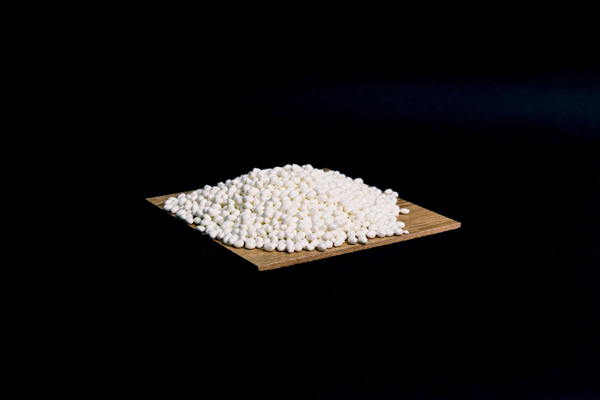
Check melt flow at the nozzle as well as the tank temperature.
If the adhesive is too cool, it may be difficult to pump through the hose or nozzle and may not wet the second surface sufficiently. Before changing the setpoint, check whether the tank, hose and nozzle are reaching their intended temperatures and whether a filter or nozzle is blocked. For related symptoms, use the hot melt adhesive troubleshooting guide.
Temperature, open time and setting
Open time is the interval during which the applied adhesive can still form a useful bond when the parts are brought together. Temperature can affect this interval, but so can bead size, substrate temperature, airflow and line speed. A hotter melt does not always mean a better bond or a predictable increase in open time.
Measure the time between application and compression on the real line. If parts arrive after the adhesive has set, adjust the process within the grade’s specifications or test another grade. Then confirm the bond after cooling and under its intended service conditions.
A practical temperature check for production
- Confirm the exact adhesive grade and its recommended application range.
- Measure tank, hose and nozzle temperatures during a normal run.
- Inspect the glue pattern, coat weight, compression and time before joining.
- Test the completed bond under the expected heat, cold and humidity conditions.
- Change one process variable at a time and record the result.
If you need help determining how temperature affects hot melt adhesive in your application, share the adhesive grade, machine settings, substrate, line speed and photos of the bond with TECHBOND.
TECHBOND MFG (VIETNAM) CO., LTD.
- Address: No. 18 VSIP II-A, Street 23, Vietnam–Singapore Industrial Park II-A, Vinh Tan Ward, Tan Uyen City, Binh Duong Province, Vietnam
- Hotline: 0866 15 37 68
- Email: info@techbond.com.vn

TECHBOND Vietnam is a leading manufacturer of industrial adhesives in Vietnam. We specialize in providing a wide range of flexibly customized adhesive products to meet the diverse requirements of our customers.
Need advice on the right industrial adhesive?
Share your materials, application and production process. TECHBOND will help recommend a suitable solution.
Request a consultation







