
Hot melt adhesive temperature is an important consideration when choosing a bonding process. The useful distinction is the application temperature specified for a particular grade and its fit with the substrate, equipment and finished product. This guide explains the main performance checks and when each option may be suitable.
Table of Contents
What is a hot melt adhesive?
Hot melt adhesive is generally supplied as a solid such as pellets, sticks or blocks. For a general definition, see this English overview of hot melt adhesive. Application equipment heats it until it can be dispensed onto a substrate. The adhesive then sets as it cools; some reactive grades also cure through a separate chemical process. Formulation and application conditions determine the resulting bond, so temperature alone is not a quality rating.
Before selecting a grade, read the technical data sheet and check these terms:
- Softening point: an indicator of how the material responds to heat, not necessarily the correct machine setpoint.
- Application temperature: the supplier’s recommended operating range for coating, spraying or extrusion.
- Viscosity: resistance to flow at a stated test temperature, often given in mPa·s or cP.
- Open time and set time: the available assembly window and the time needed before a joint can be handled.
- Bond strength and heat resistance: performance measured under specified test conditions after bonding.
Our hot melt adhesive technical specifications guide explains how to compare these figures in more detail.
Hot melt adhesive temperature: low vs high grades
The Vietnamese source compares lower and higher application-temperature classes. Its illustrative ranges are about 65–120°C and 150–220°C. Actual operating windows differ by product, and an adhesive’s softening point must not be treated as its application temperature. Use the values on the exact product data sheet and confirm them on your equipment.
| Selection factor | Lower temperature grade | Higher temperature grade |
|---|---|---|
| Typical application approach | Designed to flow at a lower machine temperature, where supported by the formulation. | Requires a higher machine temperature to reach its specified application viscosity. |
| Heat-sensitive materials | May reduce thermal exposure to thin films, paper, textiles or foam. | Requires extra testing to avoid distortion, scorching or other heat damage. |
| Energy and handling | May reduce heating demand and thermal exposure at the application point. | Requires equipment and safe handling procedures appropriate to the set temperature. |
| Setting behavior | Depends on grade, coat weight, substrate temperature and compression. | Also depends on the same process factors; higher application temperature does not guarantee a longer or shorter set time. |
| Bond and service performance | Must be tested against the load, environment and substrate. | Must be tested in the same way; a higher application temperature alone does not guarantee stronger bonds or better heat or chemical resistance. |
| Cost | Compare total process cost, including consumption, energy and waste. | Compare total process cost using the same production conditions. |
The right choice is the grade that meets the finished product’s requirements at a stable production speed. Trial both options on the real substrates rather than selecting solely from a temperature label.
When to consider a higher temperature hot melt
A higher application-temperature grade can be appropriate when the production line is built for that operating range and the substrates tolerate the heat. Potential uses include some woodworking, assembly and packaging operations. The final selection still depends on the chemistry of the adhesive and the expected service environment.
- Wood products: test the bond to the actual board, veneer or edge material and check the required heat and moisture resistance.
- Assembly: evaluate adhesion to each component, working time and whether the heat affects nearby parts.
- Packaging: confirm that the adhesive seals the specific carton at the intended line speed and compression settings.

Match the adhesive grade to the equipment, substrate and finished product.
When to consider a lower temperature hot melt
A lower application-temperature grade may help when bonding heat-sensitive materials or when the process benefits from reduced heating. Examples include selected paper packaging, textiles, foam and thin plastic films. The grade must still provide the needed open time, bond strength and resistance in service.
- Food and beverage packaging: evaluate the carton or label and follow any applicable material-contact requirements.
- Textiles and footwear: test the adhesive on the actual fabric, leather or decorative component to check appearance and durability.
- Foam and mattresses: check compatibility, ventilation and the required bond flexibility.
- Paper packaging: confirm setting time and seal integrity at production speed.
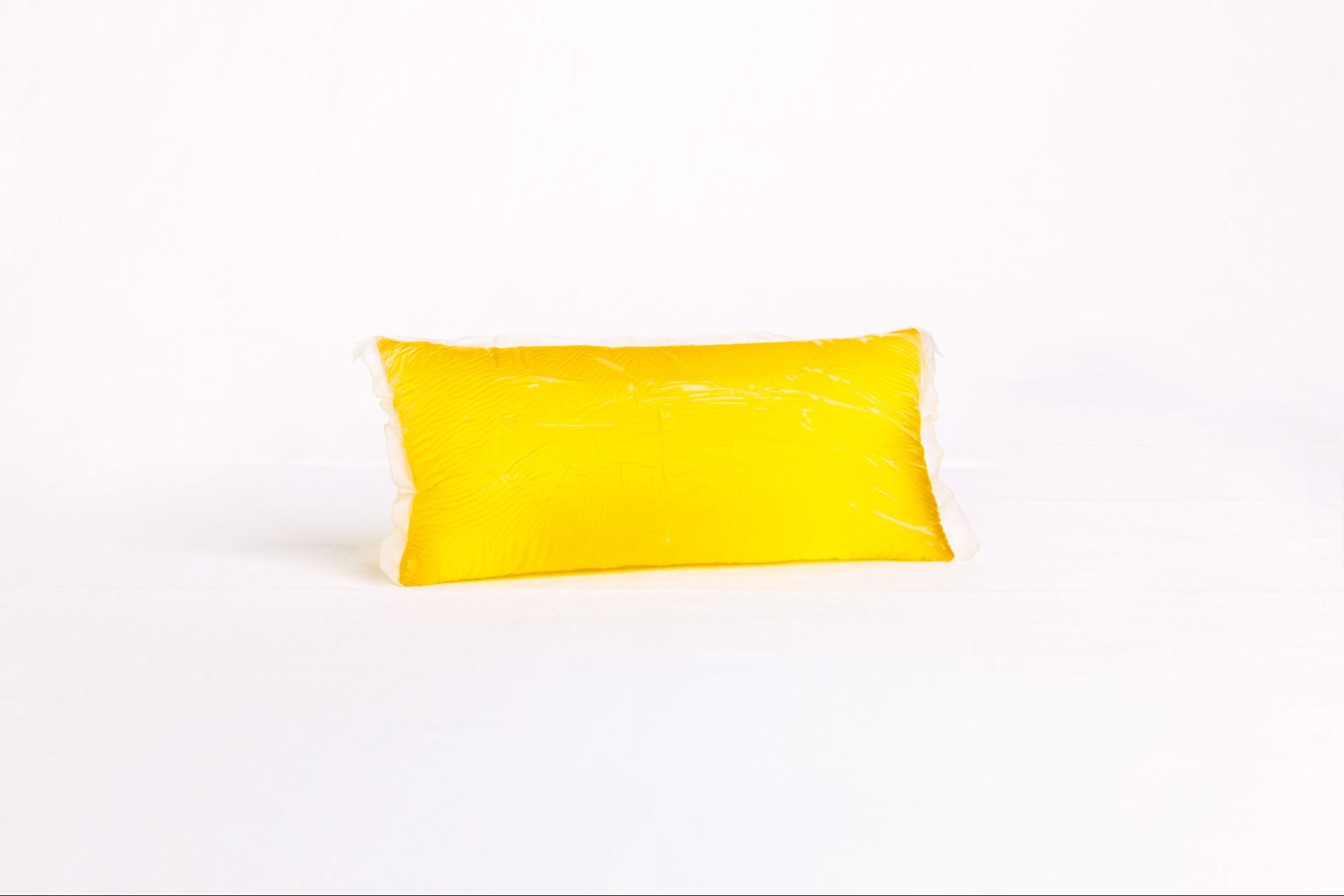
Compare operating temperature alongside bond and process requirements.
A practical selection checklist
- Identify both substrates, their surface condition and any sensitivity to heat.
- Define the line speed, application method, coat weight and compression window.
- Check the technical data sheet for the adhesive’s actual operating range and handling instructions.
- Test the finished joint after it has set or cured under expected service conditions.
- Compare total cost, including energy, adhesive consumption, cleaning and rejected output.
For a reliable hot melt adhesive temperature decision, assess the complete bonding process. TECHBOND can help you review candidate grades and arrange an application trial.
TECHBOND MFG (VIETNAM) CO., LTD.
- Address: No. 18 VSIP II-A, Street 23, Vietnam–Singapore Industrial Park II-A, Vinh Tan Ward, Tan Uyen City, Binh Duong Province, Vietnam
- Hotline: 0866 15 37 68
- Email: info@techbond.com.vn

TECHBOND Vietnam is a leading manufacturer of industrial adhesives in Vietnam. We specialize in providing a wide range of flexibly customized adhesive products to meet the diverse requirements of our customers.
Need advice on the right industrial adhesive?
Share your materials, application and production process. TECHBOND will help recommend a suitable solution.
Request a consultation







