EVA and reactive PUR are two common hot-melt adhesive technologies used for edge banding. The right choice depends on the board and edge materials, machine design, line speed, expected moisture and heat exposure, cleaning requirements and total production cost.
Nội dung bài viết
Overview of EVA edge banding adhesive
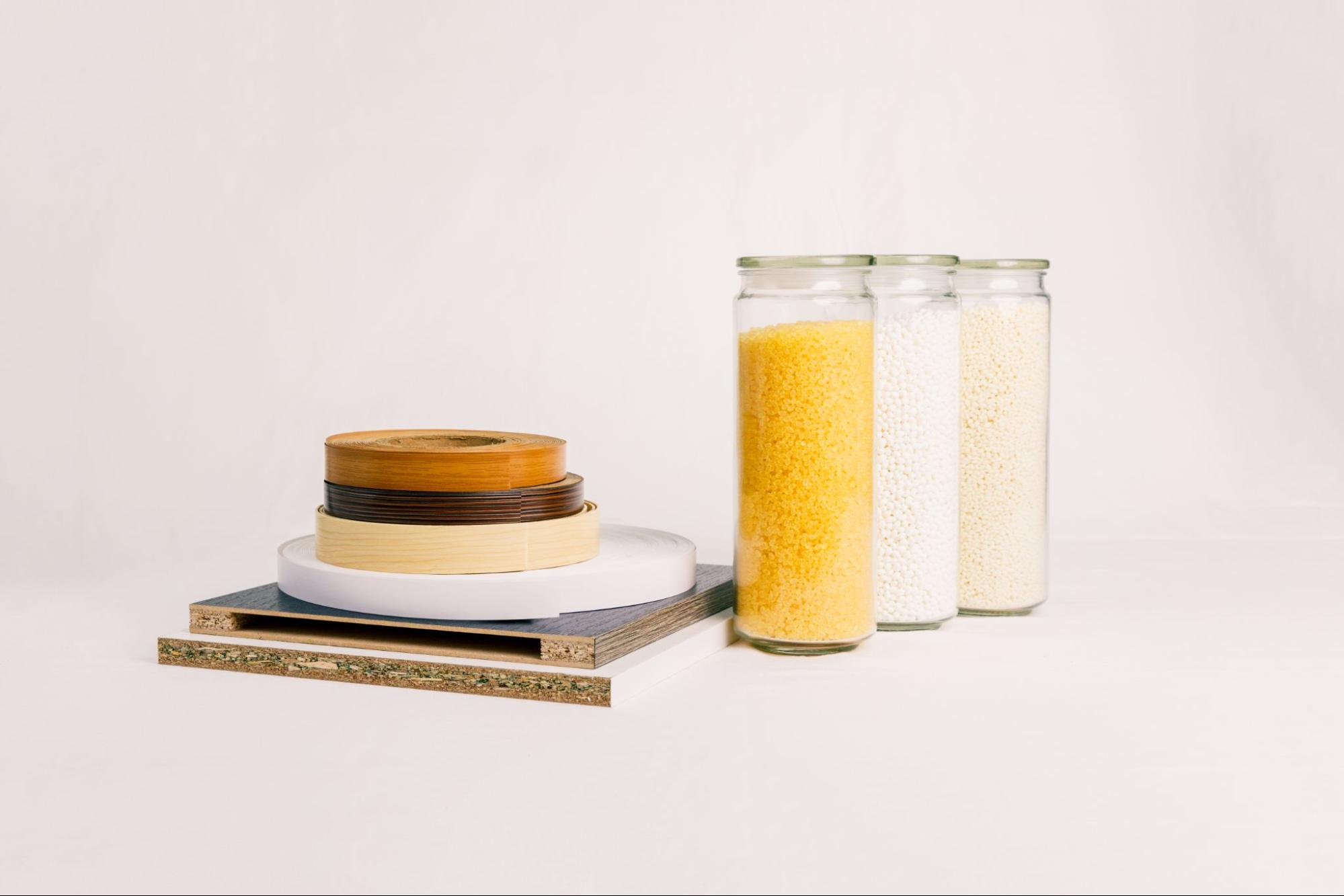
EVA (ethylene-vinyl acetate) hot melt is a thermoplastic adhesive. It is supplied in solid form, heated to the product’s specified application range and solidifies as it cools. Suitable EVA grades can support efficient edge banding of furniture panels. Performance varies between grades and should be checked on the actual board and edge tape.
Key characteristics of EVA
- Compatible with many established edge banding machines when the adhesive and equipment specifications match.
- Usually offers relatively straightforward handling and cleaning.
- Can support high production speed and cost-sensitive applications.
- Because the bond remains thermoplastic, resistance to heat and moisture depends on the formulation and service conditions.
Overview of reactive PUR edge banding adhesive
Reactive polyurethane (PUR) hot melt is applied in a molten state and then reacts with ambient or substrate moisture. After curing, the bond becomes cross-linked. Product-specific processing and curing instructions must be followed to obtain the intended performance.
Key characteristics of PUR
- Suitable grades can provide strong resistance to heat and moisture after full cure.
- Often selected for demanding edge banding applications and thin bond lines.
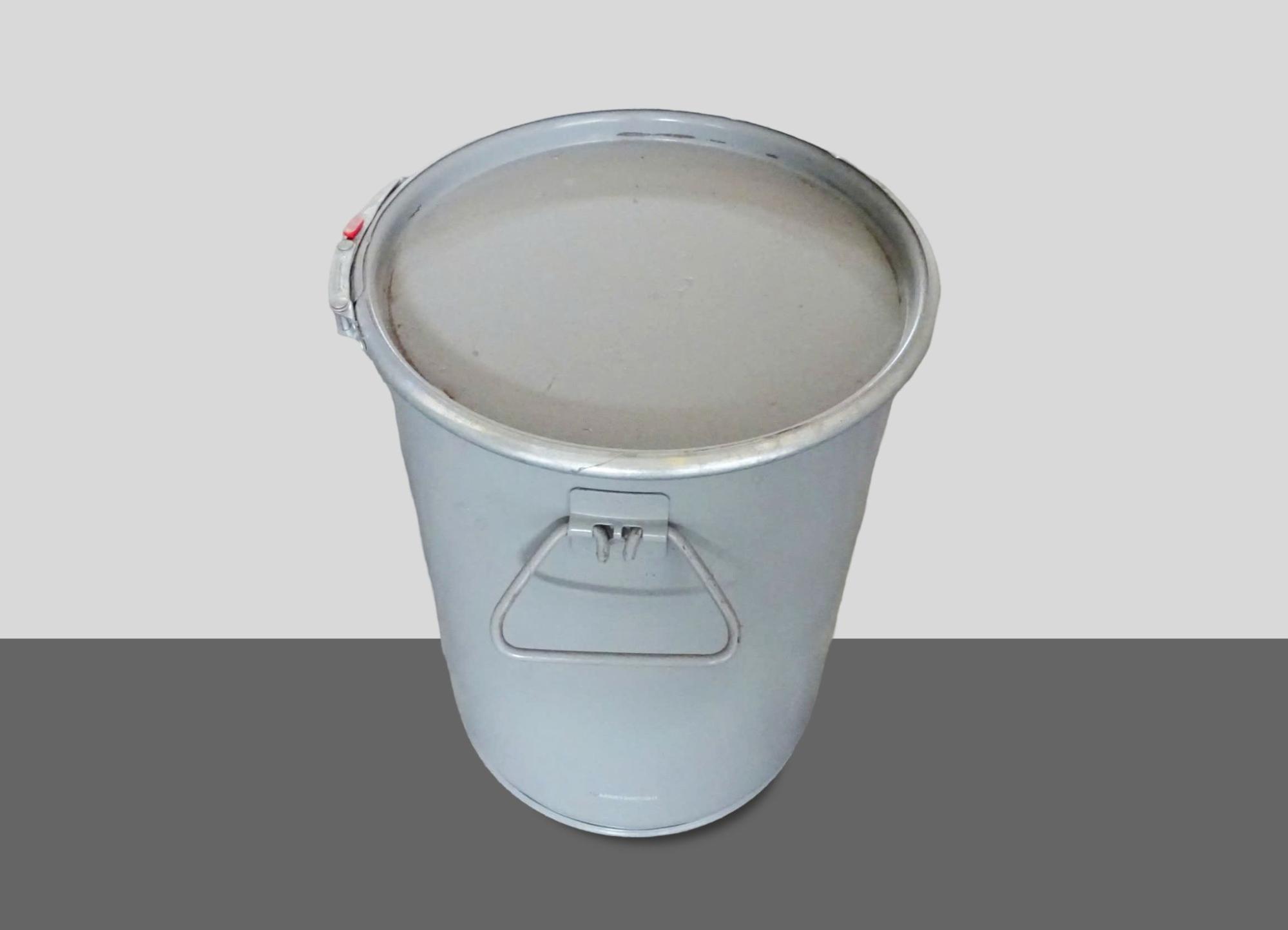
- Requires equipment and handling procedures suitable for reactive PUR.
- Material and equipment costs, cleaning and changeover procedures should be considered.
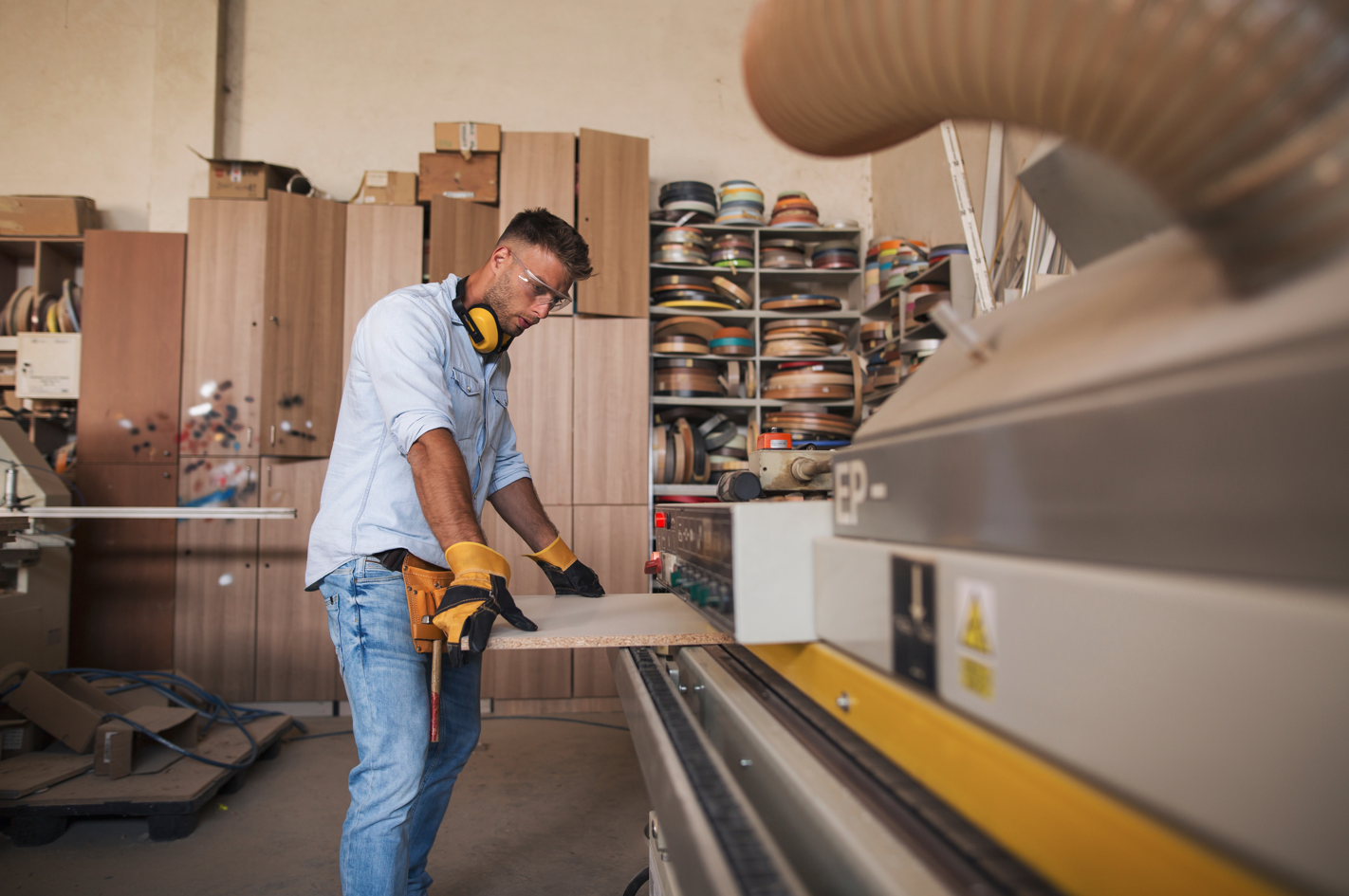
EVA vs PUR on an edge banding machine
| Criterion | EVA hot melt | Reactive PUR hot melt |
|---|---|---|
| Bonding mechanism | Solidifies on cooling; the bond remains thermoplastic. | Sets on cooling and then chemically cures through moisture exposure. |
| Heat and moisture resistance | Depends on the grade; assess against the end-use environment. | Suitable cured grades can offer higher resistance; verify by testing. |
| Application temperature | Use the range specified by the product and machine manufacturer. | Use the product’s specified range and avoid prolonged heating. |
| Production speed | Often practical on fast, established edge banding lines. | Can also run efficiently when equipment and process settings are suitable. |
| Handling and cleaning | Follow routine melt-pot and applicator cleaning procedures. | Protect uncured adhesive from moisture and clean before it fully cures. |
| Cost | Often has a lower purchase price; calculate waste and rejects too. | Often has a higher purchase price; compare finished-product performance and total cost. |
| Typical selection | Cost-sensitive indoor furniture when performance requirements are met. | Furniture and components with more demanding heat, moisture or appearance requirements. |
Frequently asked questions about EVA and PUR
Can the same edge banding machine use both EVA and PUR?
Some machines can be configured for both technologies, but compatibility depends on the melt unit, applicator, temperature controls, cleaning process and manufacturer instructions. A validated changeover procedure or separate application units may be necessary.
When might PUR be unsuitable?
A machine or applicator that cannot meet the adhesive’s processing and cleaning requirements may be unsuitable. Joint design, temperature, substrate condition and production volume should also be assessed. Do not assume a single rule applies to every 45-degree edge banding setup.
Can EVA bond PVC, melamine or veneer edges?
Some EVA grades can bond these materials when the edge tape and board surface are compatible. Primer, surface treatment, temperature and line speed may affect the result. Test the chosen combination on the actual line.
Can cured PUR be reused?
No. Once reactive PUR has chemically cured, reheating does not return it to its original usable state. Manage residence time and clean equipment according to the adhesive and machine instructions.
Should you choose EVA or PUR for edge banding?
Choose by measured performance on the intended board and edge material, production efficiency and total cost. EVA can be a practical option for many indoor, high-volume applications. PUR may be preferable when a suitable grade and process demonstrate better performance under demanding conditions. TECHBOND Vietnam can help compare samples and machine settings for your woodworking adhesive application.

Techbond Việt Nam supplies industrial adhesives for woodworking, paper, packaging and other manufacturing applications. The team supports adhesive selection based on customer materials and production processes.
Need advice on the right industrial adhesive?
Share your materials, application and production process. Techbond Việt Nam will help recommend a suitable solution.
Request a consultation