
How to bond veneer to MDF is an important question in furniture production. Veneer gives MDF the appearance of natural wood at a practical cost, but the final surface depends on careful preparation, even adhesive application and correct pressing. This guide follows six steps and explains how to select a suitable adhesive.
Nội dung bài viết
Veneer adhesive and MDF: the basics
Bonding a thin wood veneer to an MDF panel creates a decorative surface for furniture and interior products. The adhesive must suit both materials, the application equipment and the finished panel’s service conditions. A suitable bond helps limit lifting or delamination, while good process control supports a smooth appearance. Compare veneer adhesive types before choosing a grade.
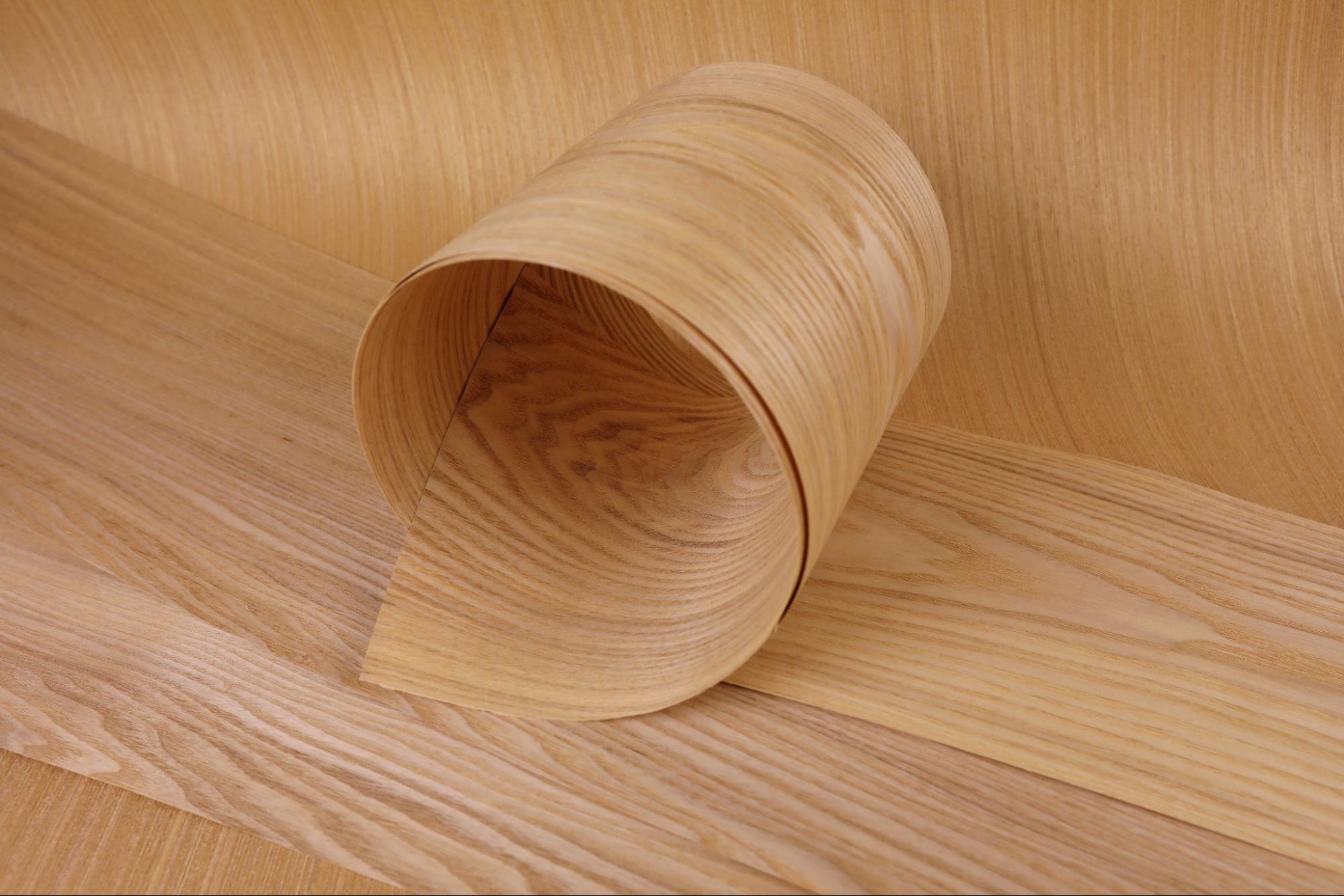
Materials and tools for bonding veneer to MDF
- Veneer: Select sheets with suitable thickness, condition and moisture content. Protect thin veneer from direct sunlight and handling damage.
- MDF: Use a flat, clean panel with a surface suitable for bonding.
- Adhesive: Choose a grade approved for the substrates and the intended pressing method.
- Surface repair material: Fill defects when needed and sand the repaired area smooth.
- Tools: A cutting tool, suitable adhesive applicator, press or rollers, and fine abrasive paper may be required depending on the line.
How to bond veneer to MDF in six steps
Step 1: Prepare the MDF surface
Check that the panel is flat and free of dust, oil and loose material. If the adhesive supplier recommends sanding, sand evenly and remove all dust afterwards. Fill and re-sand any small surface defects before application.
Step 2: Cut the veneer to size
Place the veneer over the MDF to measure the required coverage. Cut it slightly larger than the panel so the edges can be trimmed cleanly after bonding. Handle the sheet carefully to avoid cracks or wrinkles.
Step 3: Prepare and apply the adhesive
The method depends on the formulation and equipment. A suitable PVA grade may be applied by roller for the specified cold or hot-press process. Reactive PUR may require dedicated coating or dispensing equipment and moisture control. A urea-formaldehyde system may require mixing at the manufacturer’s stated ratio and appropriate process controls. Follow the product technical data sheet (TDS) for spread rate, mixing, open time and pressing conditions.
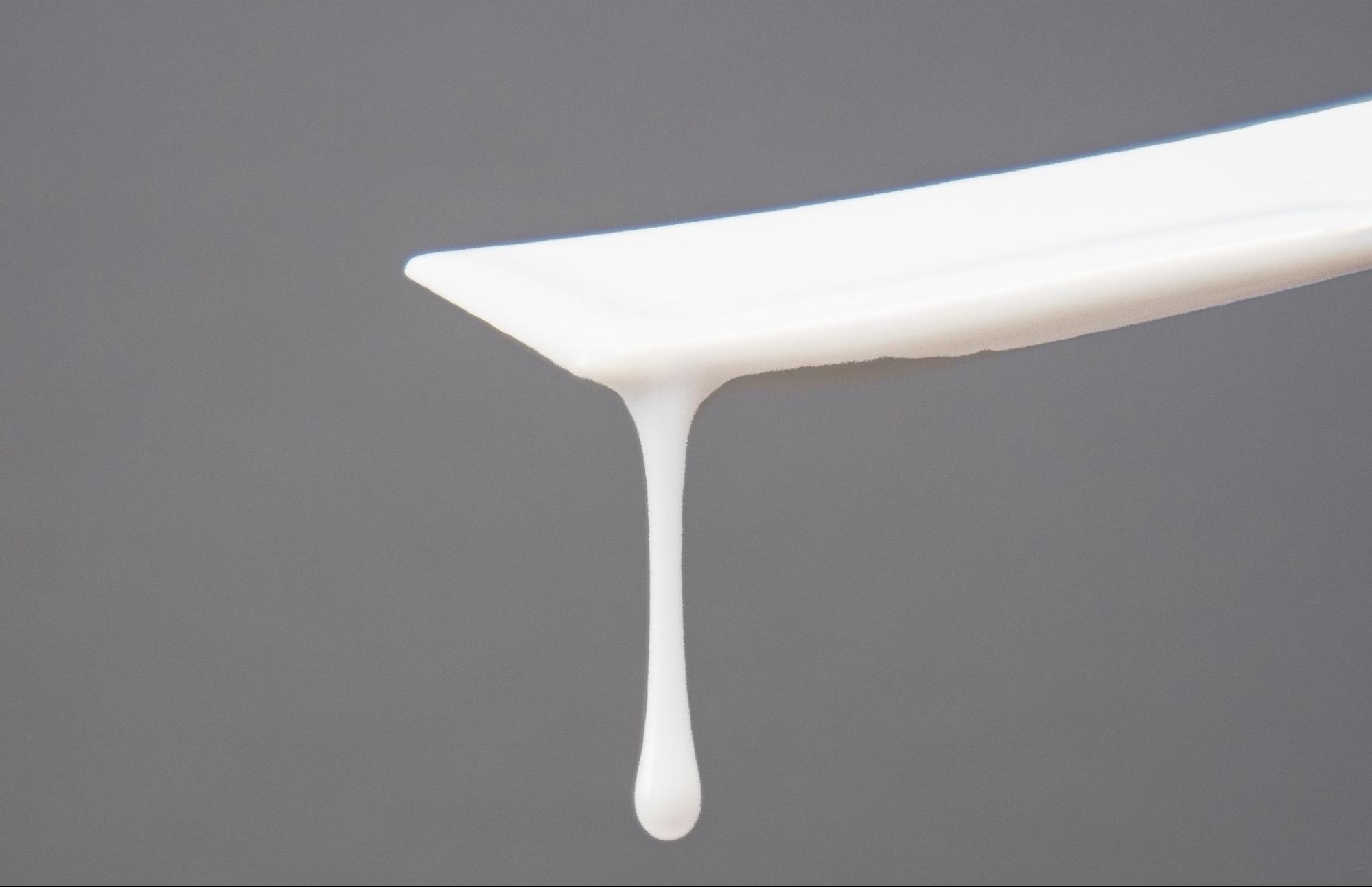
Step 4: Position veneer on the MDF
Lay the veneer carefully onto the coated panel without shifting it. Apply even contact from the centre towards the edges with a suitable roller or the line’s positioning equipment. Avoid trapped air and uneven adhesive coverage.
Step 5: Press the panel
Press the veneer and MDF with the temperature, pressure and time specified for the selected adhesive and materials. Hot pressing and cold pressing have different requirements; confirm settings through the product TDS and a sample trial. Uniform pressure helps prevent bubbles and local areas with poor contact. Allow the bond to develop as instructed before handling or machining.
Step 6: Finish the surface
After the bond is ready for further processing, trim excess veneer and sand carefully for a smooth finish. Remove sanding dust before applying a suitable protective coating or other surface finish.
Important precautions when bonding veneer to MDF
- Match adhesive to the process: PVA, PUR and UF products have different handling, curing and safety requirements. Select a specific grade, not just a polymer family.
- Apply an even coat: Too much or too little adhesive may affect appearance and bond quality.
- Control the veneer and panel: Check flatness, moisture content and the condition of both surfaces.
- Check both faces when needed: A balanced construction may help limit panel warping; follow the product and panel-design requirements.
- Trial the settings: Wrinkling, bubbles or lifting can indicate uneven application, poor surface preparation or unsuitable pressing conditions.
- Follow safety documents: Review the safety data sheet (SDS), especially for reactive or formaldehyde-containing systems.
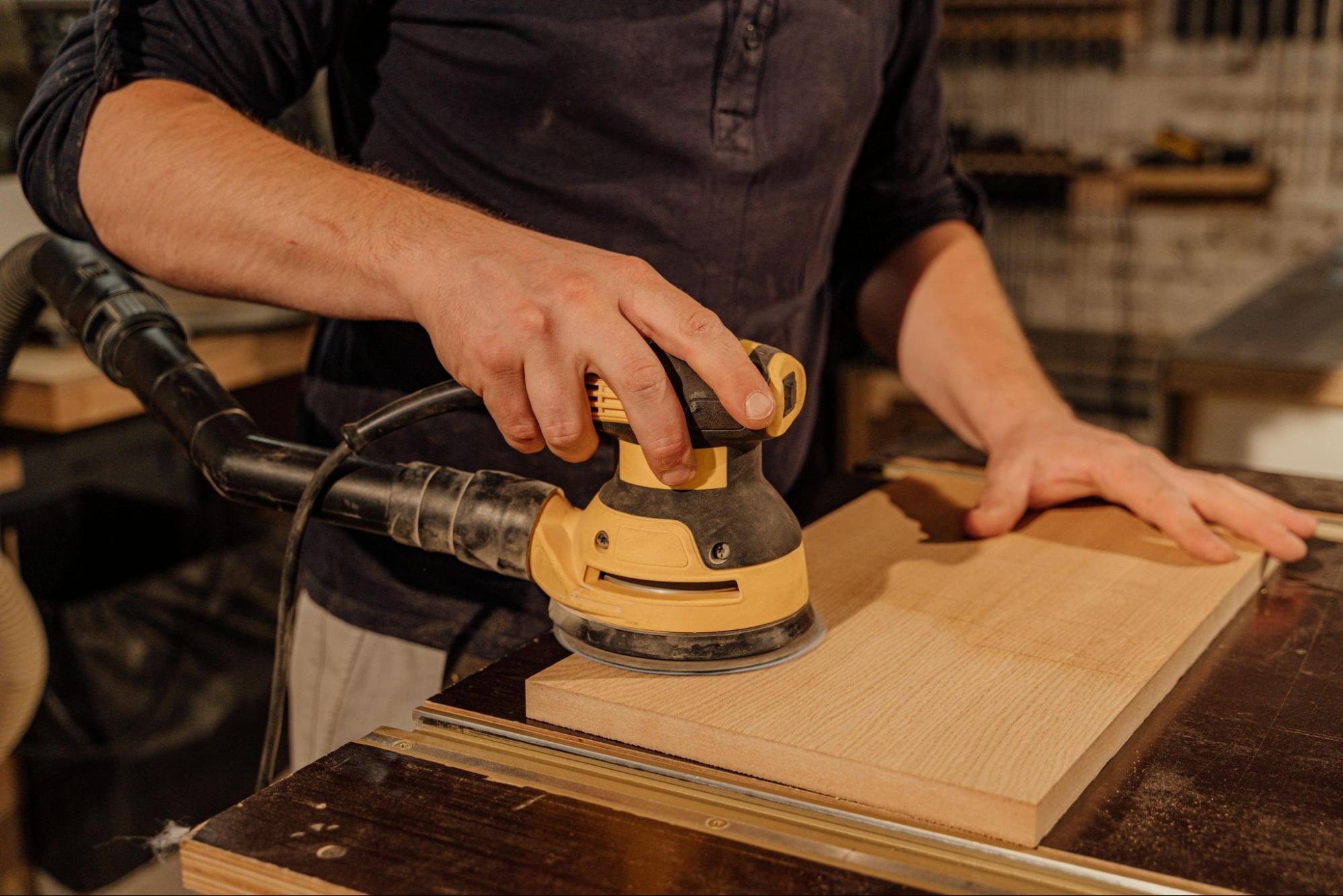
The right adhesive and a controlled process help produce attractive, durable veneered panels. TECHBOND offers woodworking adhesives for different applications, including products for wood assembly such as mortise-and-tenon bonding. Contact the technical team with your veneer, MDF, press and performance requirements to discuss an appropriate veneer-bonding grade. For general background, see wood veneer.
TECHBOND MFG (VIETNAM) CO., LTD.
- Address: No. 18 VSIP II-A, Street 23, Vietnam–Singapore Industrial Park II-A, Vinh Tan Ward, Tan Uyen City, Binh Duong Province, Vietnam.
- Sales hotline: 0866 15 37 68
- Email: info@techbond.com.vn

TECHBOND Vietnam is a leading manufacturer of industrial adhesives in Vietnam. We specialize in providing a wide range of flexibly customized adhesive products to meet the diverse requirements of our customers.
Need advice on the right industrial adhesive?
Share your materials, application and production process. TECHBOND will help recommend a suitable solution.
Request a consultation







