
How to choose an industrial adhesive depends on the materials you need to bond, the production method and the conditions the finished product will face. A suitable grade can support bond quality and efficient production; a poor match can cause failures or extra rework. This guide sets out the questions to ask before buying an adhesive for paper, packaging or woodworking.
Nội dung bài viết
What is an industrial adhesive?
An industrial adhesive is a material formulated to join surfaces in a manufacturing or processing application. Adhesives are not all liquid polymer solutions: they may be water-based, solvent-based, reactive or applied as a hot melt. The bonding mechanism and required equipment differ between systems. For general background, see the adhesive overview.
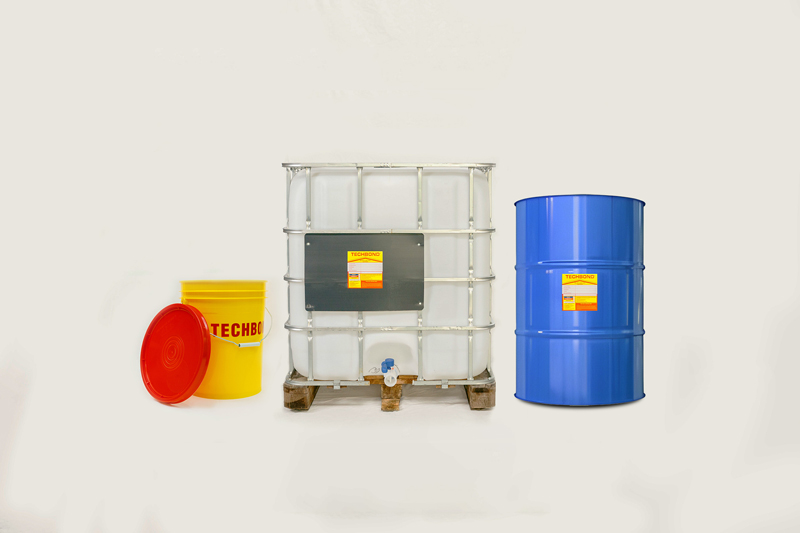
Industrial adhesives serve different materials and production processes.
The first step in choosing an industrial adhesive is to define the exact joint: the substrates, their surface treatment, joint geometry, process speed and expected service life. A grade that works for uncoated paper may not bond the same way to a film-laminated board or a treated plastic.
Composition and chemistry
Industrial adhesive families include polyurethane, epoxy, acrylic, silicone, polyvinyl acetate (PVAc) and several hot melt formulations. Each family has different application and curing behavior. Even within one family, additives and polymer grades can change viscosity, open time, flexibility and resistance to heat or moisture. Use the technical data sheet for the exact product rather than assuming that every adhesive in a family has the same properties.
Applications
Industrial adhesives are used in packaging, woodworking, furniture, automotive components, electronics, construction and other sectors. They may join paper, board, wood, plastic, metal, rubber or composite surfaces. The fact that a chemistry can bond one material does not confirm suitability for every surface or finished-product requirement.
Technical properties
Compare the properties that matter to your operation: viscosity at the specified temperature, open and setting times, cure conditions, bond strength, heat and moisture performance, storage requirements and approved application method. Ask how the values were measured and validate the joint on your own substrates. Our hot melt adhesive specifications guide gives examples of useful data for hot melt grades.
TECHBOND industrial adhesive solutions
TECHBOND supplies adhesive solutions for applications including paper packaging and wood processing. Selecting a supplier involves more than comparing a product label or unit price. Request product information, discuss the process and confirm that the proposed grade can be trialed on your actual materials and equipment.
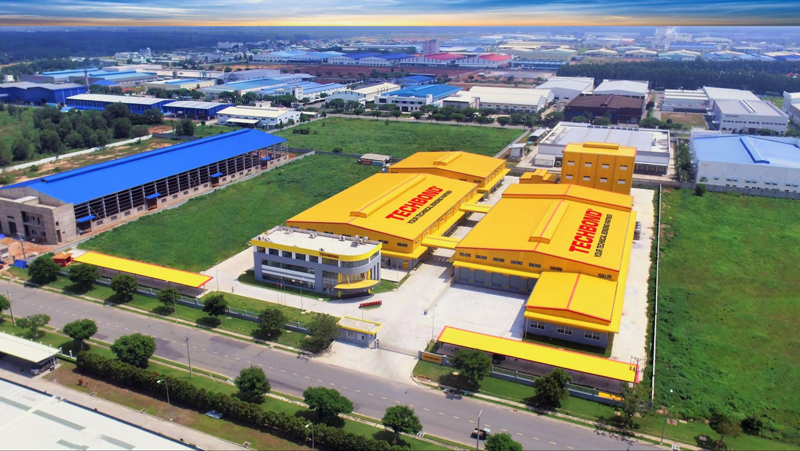
Discuss substrate and process requirements before choosing a grade.
Product quality and documentation
Ask for the technical data sheet, safety data sheet and batch information for the exact grade. If a project has regulatory or food-packaging requirements, request the relevant product-specific declarations and review the entire package design. Management-system standards such as ISO 9001, ISO 14001 and ISO 45001 describe organizational systems; they do not by themselves certify that every adhesive grade meets a particular bonding or food-contact requirement.
- ISO 9001: a quality-management-system standard.
- ISO 14001: an environmental-management-system standard.
- ISO 45001: an occupational health and safety management standard.
Confirm any claimed certification directly for the relevant company, site and certificate scope. Confirm product performance separately through specifications and trials.
Manufacturing and technical support
A useful supplier can explain how the grade should be stored and applied, help assess a trial and investigate defects if the bond changes in production. Provide the substrate samples, current adhesive, equipment model, line speed and operating conditions so recommendations can be specific.
Service and supply
Check availability, delivery lead time, packaging size and the support available during changeover. A trial should establish whether the grade maintains the required bond and application pattern before a larger order is placed. Contact TECHBOND at 0866 15 37 68 to discuss an application.
Criteria for choosing the right adhesive
A practical selection process starts with the product and moves through process, performance and total cost.
End use and bonded materials
Identify both surfaces and any coating, lamination, print, dust or oil at the bond line. Define the required strength, appearance, expected temperature and humidity, and whether the joint faces load or repeated handling. For carton packaging, a cold-chain box, a laminated carton and an uncoated corrugated box may need different grades. See our carton box bonding adhesive guide for application-specific checks.
Total cost
Compare cost per finished unit rather than price per kilogram alone. Include application rate, waste, machine cleaning, production speed, reject rate and shelf life. A lower-priced adhesive that produces frequent rework may be more costly overall. Use the same substrates and line conditions when comparing trial results.
Application method and equipment
Adhesives may be applied manually, by roller, through a nozzle or in an automated line. Confirm compatibility with the machine, operating temperature, hose or pump, cleaning procedure and intended coat weight. Follow the manufacturer’s instructions for both the adhesive and equipment.
TECHBOND options for paper and wood
Paper and packaging adhesives
Paper products such as notebooks, covers, folding cartons and corrugated boxes can require different adhesive systems. TECHBOND offers water-based PVAc-type and hot melt options for suitable paper and packaging applications. Grade selection depends on paper porosity, coating, process speed and finished-package conditions.
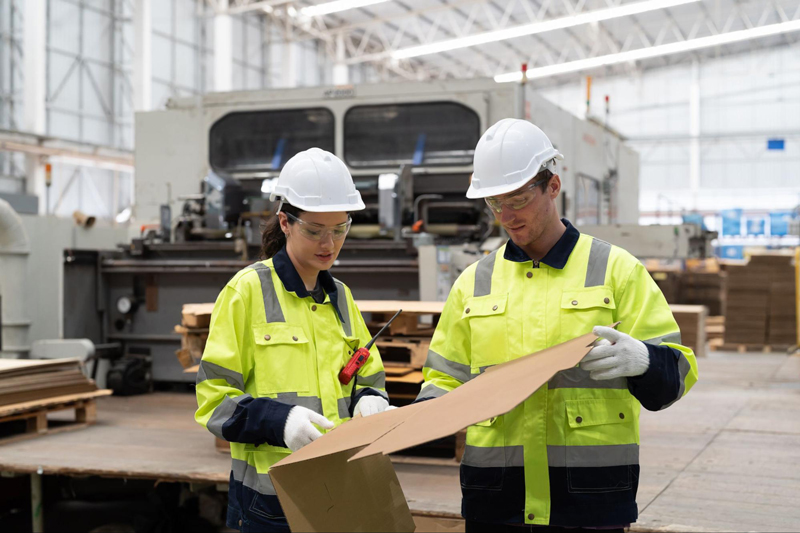
Select a paper adhesive for the actual substrate and packing process.
A water-based adhesive and a hot melt may differ in application equipment and the time needed before the product can be handled. Neither category is automatically more water-resistant or stronger for every carton. Test the exact grade and finished package. The carton adhesive guide can help frame the trial.
Woodworking adhesives
Wood joining can involve edge gluing, finger joints, laminated boards, veneer or edge banding. The suitable adhesive depends on wood species, moisture content, joint preparation, press method and service class. Manual, semi-automated and automated processes may each need a different open time and viscosity.
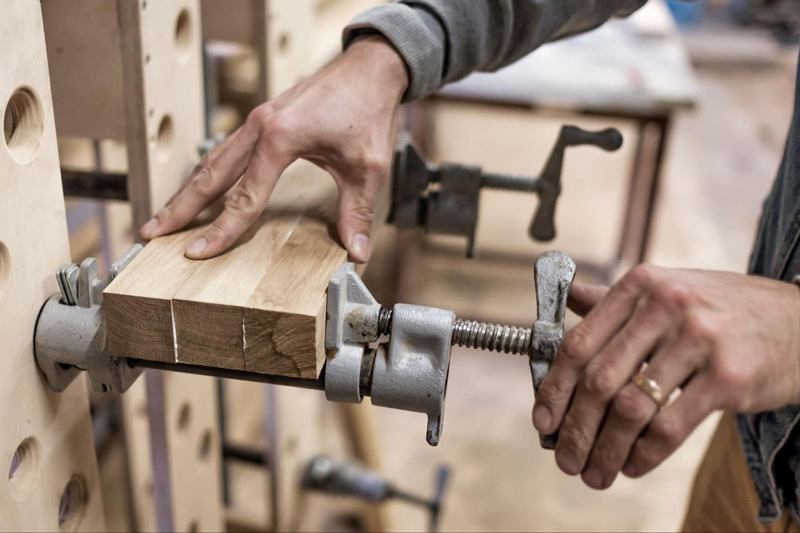
Match a woodworking adhesive to the joint, material and pressing process.
TECHBOND’s woodworking range includes options for particular joining processes. Ask for the exact grade and supporting test data for the required application. If the job involves MDF edge banding, the MDF edge-banding adhesive guide explains further selection points.
To choose an industrial adhesive for your line, send TECHBOND the materials, required bond performance, equipment and expected service conditions. A sample-based trial gives a more reliable answer than choosing by chemistry name or advertised price alone.
TECHBOND MFG (VIETNAM) CO., LTD.
- Address: No. 18 VSIP II-A, Street 23, Vietnam–Singapore Industrial Park II-A, Vinh Tan Ward, Tan Uyen City, Binh Duong Province, Vietnam
- Hotline: 0866 15 37 68
- Email: info@techbond.com.vn

TECHBOND Vietnam is a leading manufacturer of industrial adhesives in Vietnam. We specialize in providing a wide range of flexibly customized adhesive products to meet the diverse requirements of our customers.
Need advice on the right industrial adhesive?
Share your materials, application and production process. TECHBOND will help recommend a suitable solution.
Request a consultation







