Two-part AB adhesive uses a resin and a curing agent to form a bonded joint after mixing. This guide covers its properties, classifications and selection factors for a specific application.
Table of Contents
What is two-part AB adhesive?
“AB adhesive” commonly describes a two-component system supplied as component A and component B. Component A is typically the resin, while component B contains the curing agent. After mixing, a chemical reaction causes the material to cure. Formulations vary, so identify the product chemistry and follow its current technical data sheet (TDS).
Key properties to evaluate
Performance depends on formulation, surface preparation, joint design and curing conditions. When comparing products, review the TDS for:
- Bond strength: assess the stated test method and suitability for the actual substrate and load.
- Working time: check how long the mixed adhesive remains usable under specified conditions.
- Cure schedule: distinguish handling time from full cure and follow the recommended temperature.
- Viscosity: select a consistency suited to the application method and joint gap.
- Service resistance: verify exposure limits for moisture, chemicals, vibration and temperature changes.
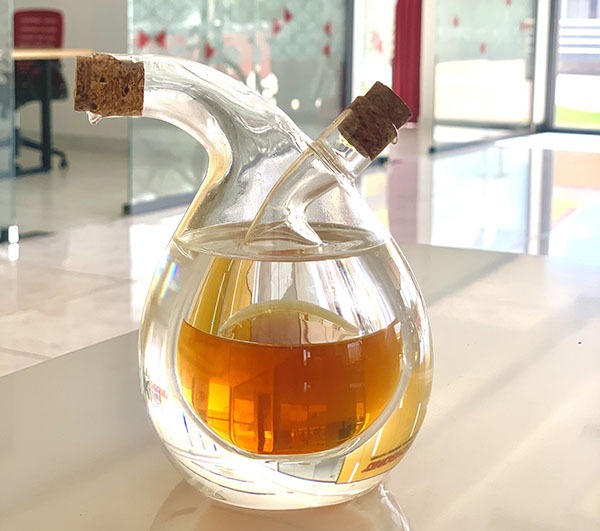
Two-part AB adhesive is valued for its bonding strength and resistance.
Common classifications
Two-part adhesives can be grouped by resin chemistry, viscosity, cure speed, flexibility and intended service environment. Some are designed for rigid bonds; others allow more flexibility. The term “AB” alone does not identify a universal resin type or performance level, so compare product documentation before choosing.
How to choose the right AB adhesive
- Identify both substrates and confirm compatibility.
- Define joint geometry, gap, load direction and production method.
- List operating conditions, including temperature and possible water or chemical exposure.
- Compare the TDS for mixing ratio, working time, cure conditions and stated performance.
- Prepare surfaces as directed; this surface preparation guide covers key checks before bonding, then validate the process on a representative sample.
Mixing and application considerations
Use the specified ratio and mixing method; inaccurate proportioning or incomplete mixing can affect curing. Observe the stated pot life, apply to prepared surfaces and allow the joint to cure as recommended. Consult the product label, TDS and safety data sheet (SDS) for handling, personal protection and cleanup requirements.
Frequently asked questions
Is every AB adhesive epoxy?
No. AB usually indicates a two-component format, while resin chemistry varies. Confirm the chemistry in product documentation.
Can the mixing ratio be changed to speed up curing?
Do not change the specified ratio. Follow the product TDS and contact the supplier if the cure schedule does not fit the process.
How long does a two-part adhesive take to cure?
Cure time depends on formulation, temperature and joint conditions. Use the product-specific TDS rather than a general estimate.

TECHBOND supplies industrial adhesive products and application support.
Need help selecting an adhesive?
Share the substrates, joint design and service conditions with TECHBOND so the team can help identify a suitable product and review application requirements. Confirm final suitability against current product documentation. Explore TECHBOND’s industrial adhesive product range to see the industries it serves.
TECHBOND MFG (Vietnam) Co., Ltd.
Hotline: 0866 15 37 68
Email: info@techbond.com.vn

Need advice on the right industrial adhesive?
Share your materials, application and production process. TECHBOND will help recommend a suitable solution.
Request a consultation