When purchasing industrial adhesives from an overseas supplier, customers need to consider more than whether a product is suitable for their application. Packaging specifications, storage conditions, supporting documents and export coordination can directly affect goods receipt and production planning.
TECHBOND has served customers in more than 30 countries, with regular deliveries to markets including Indonesia, Malaysia, the Philippines, Bangladesh and India. Experience across multiple markets enables TECHBOND to coordinate order information, packaging options and the documents that may be required before shipment.
International orders are packaged, stored, inspected and prepared for export under TECHBOND’s quality control process. TECHBOND also coordinates commercial, quality and origin documents, together with the information required for export procedures.
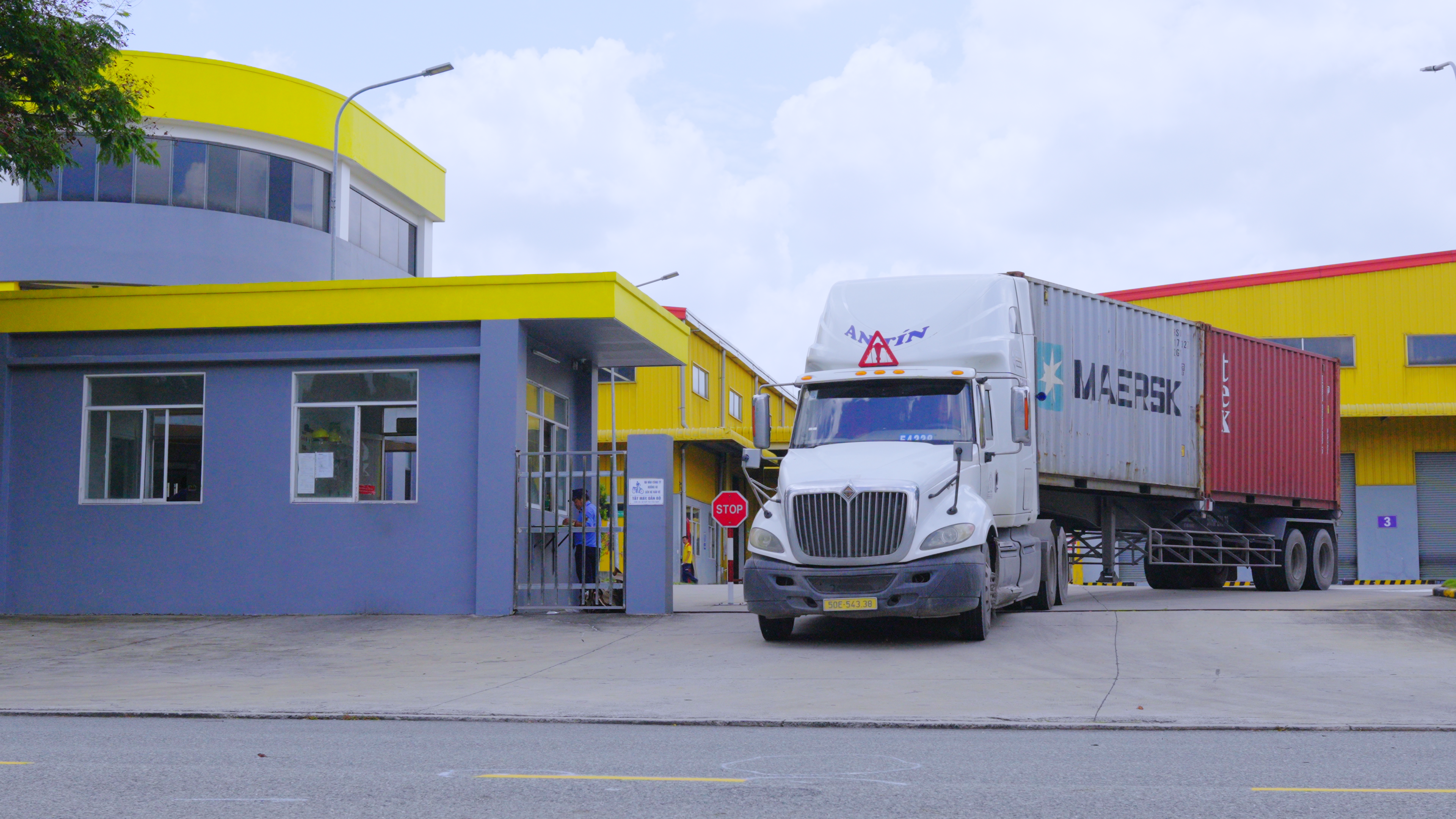
Table of Contents
Why should international delivery of industrial adhesives be planned early?
Industrial adhesives are selected according to the materials, application and operating conditions of each production line. Delivery planning should therefore begin when the customer and supplier first discuss the requirement, rather than only after an order has been completed.
The supplier needs sufficient information to confirm the product, packaging specification and appropriate documentation. The customer also needs advance visibility of the documents that may be available, the receiving method and any specific requirements in the importing country.
Early coordination helps both parties reduce common issues such as:
- Inconsistent information between the order and supporting documents.
- Packaging that is not appropriate for the shipment volume or transport method.
- Missing documents required by the import team or logistics provider.
- Changes to the delivery schedule that affect the factory’s material plan.
- Purchasing, technical and logistics teams working with different information.
This coordination does not replace the responsibilities of the importer, carrier or authorities in the destination country. However, aligning information from the beginning makes the receiving process clearer and more manageable.
Packaging and storage for international orders
TECHBOND treats packaging and storage as important parts of the export process. Before an international shipment is released, packaging selection, product identification, container condition and storage requirements are controlled under TECHBOND’s quality procedures.
Packaging options can vary according to the product and order volume. Common formats visible at the TECHBOND factory include jerrycans, pails, drums and IBC tanks. The specification for each product is confirmed against the relevant technical documents and the information for the specific order.
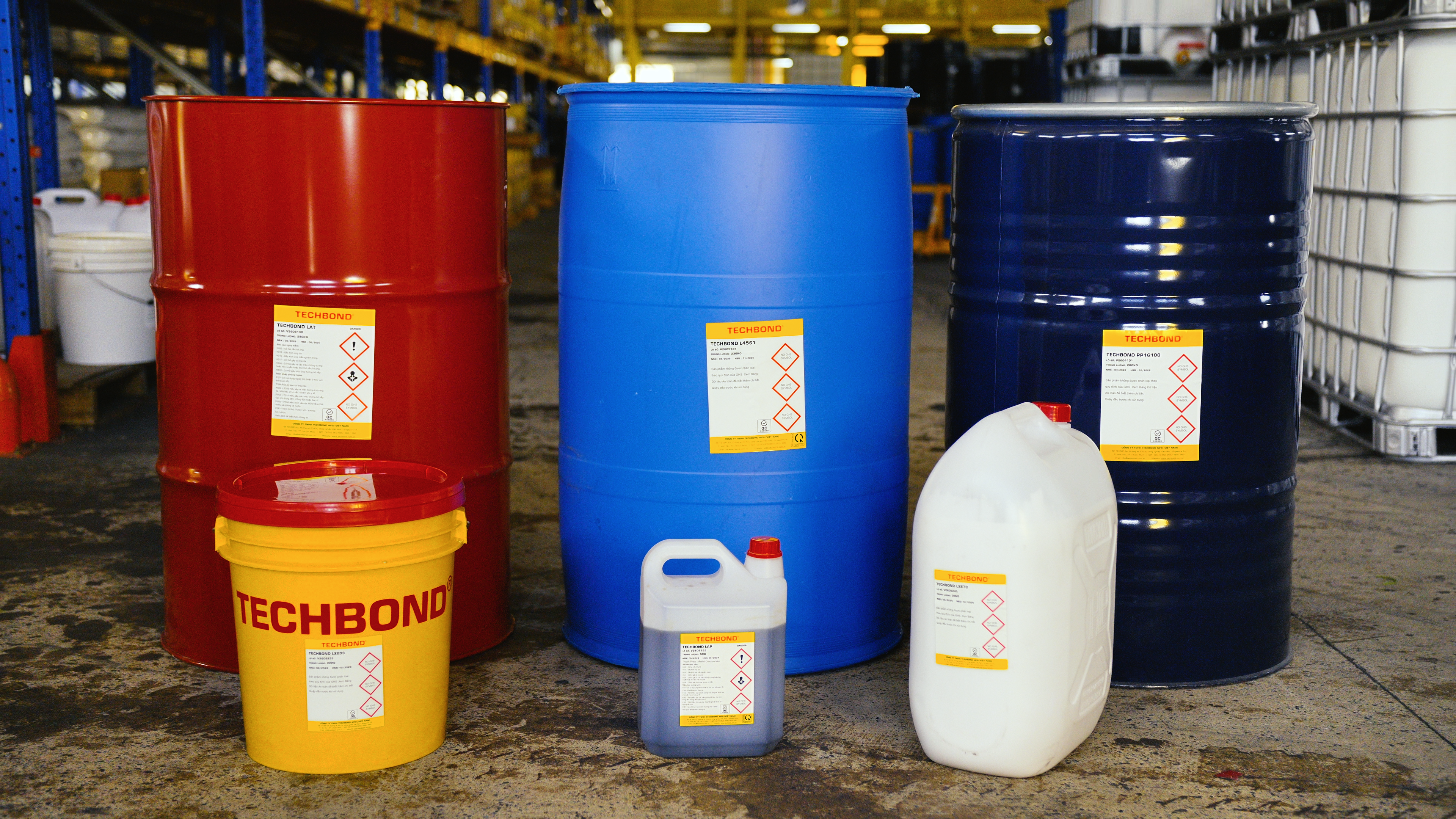
Before the goods are handed over, the points to be coordinated may include:
- Product name and identification information on the packaging.
- Quantity, net weight and packaging specification.
- Condition of the packaging before loading.
- Storage requirements stated in the current product documents.
- Arrangement of the goods for the selected transport method.
- Information required on the packing list and related documents.
Customers should store and use each product in accordance with its TDS, label and the instructions supplied by TECHBOND. A single storage condition should not be applied to every type of industrial adhesive.
Documents and procedures for international orders
When preparing an export order, TECHBOND and the customer need to consider the requirements of the importing market, the transport method, declaration information and the supporting document set. Required documents may vary by product, destination country, commercial terms, customer requirements and regulations applicable at the time of shipment.
Transport and storage conditions to check before export
Export conditions must be determined from the current SDS for the specific product. Section 14 of the SDS supplied as source material for this article states that the corresponding product is not regulated as dangerous goods for land transport under ADR/RID, sea transport under IMDG or air transport under IATA. Transport in bulk according to Annex II of MARPOL 73/78 and the IBC Code is stated as not applicable.
This information applies only to the product covered by the corresponding SDS. It must not be interpreted as a statement that every TECHBOND product is outside dangerous-goods regulations. Before each international order, the product name, SDS version, transport method and destination-market requirements must be checked.
Section 7 of the same document also identifies handling and storage precautions:
- Do not handle or open the packaging near open flames, heat sources or ignition sources.
- Avoid inappropriate stacking of palletised bags or other packaging units.
- Avoid prolonged or repeated skin contact and avoid inhaling vapour or mists.
- Avoid generating or accumulating dust and dispose of contaminated cleaning materials correctly.
- Keep containers tightly closed in a cool, well-ventilated place.
- Use properly labelled containers that can be securely closed.
- Store hot-melt adhesive at least 20°C below its melting point.
- Store separately from oxidising agents.
These conditions must be checked against the SDS and TDS for the exact product before use. Customers should notify TECHBOND of the intended transport method and storage requirements so that the relevant documents can be reviewed for the order.
Customers should provide TECHBOND with the following information as early as possible:
- Destination country and receiving location.
- Legal information for the buyer and consignee.
- Product, quantity and expected packaging specification.
- Documents required by the customer’s import team.
- The date the material is required for production.
- Contacts responsible for purchasing, technical matters and logistics.
Which export documents can TECHBOND coordinate?
Depending on the product, order and destination-market requirements, TECHBOND can coordinate the following document groups:
Commercial Invoice
The Commercial Invoice records the commercial information for the transaction and is an important part of the export file. Its content must be aligned with the legal information, order and agreed commercial terms between the parties.
Packing List
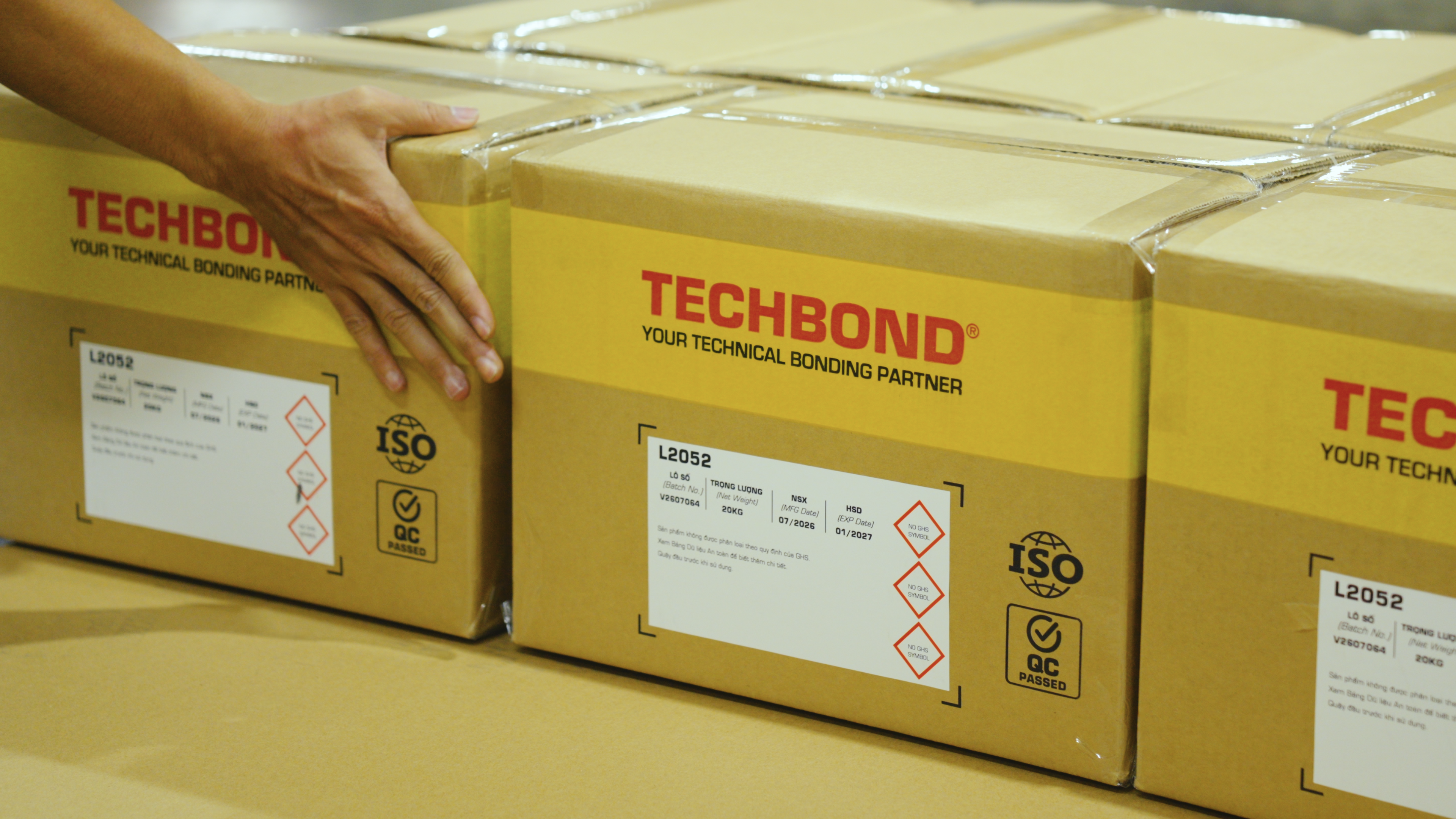
The Packing List describes how the goods are packed, the number of packages and other shipment information. Agreeing the packaging specification before the document is prepared helps reduce discrepancies between the physical shipment and the receiving records.
Certificate of Analysis or Certificate of Quality
A Certificate of Analysis (COA) or Certificate of Quality (CQ) provides analysis or quality information under the records applicable to the product or batch. The type of document and the information available must be confirmed for the specific product.
Certificate of Origin
A Certificate of Origin (C/O) relates to the origin of the goods. Availability and the applicable C/O form depend on the product, market, order conditions and current requirements.
Customers should send their required-document list during the order discussion. TECHBOND will review which documents can be coordinated for the specific product and market.
Experience serving customers in more than 30 countries
TECHBOND has served customers in more than 30 countries and regularly delivers to Indonesia, Malaysia, the Philippines, Bangladesh and India. Each market may have different documentation, transportation and receiving requirements.
This experience has shown the TECHBOND team that an international order requires coordination across several functions. The sales team receives the application and order information, the technical team supports product evaluation for the application, and the relevant functions coordinate packaging, documentation and the shipment plan.
For the customer, successful delivery means more than the goods leaving the factory. The receiving team also needs the information required to plan receipt, storage and use in production.
How TECHBOND coordinates an international order
1. Review the requirement and application information
The customer provides information about the materials to be bonded, adhesive application stage, equipment, production conditions and finished-product requirements. This forms the basis for discussing a suitable solution.
2. Confirm the product and order specification
Once the necessary technical information is available, both parties discuss the product, quantity, packaging format and related requirements. Product codes and specifications are checked against the current TDS.
3. Agree on the required documents
The customer submits requirements for the Commercial Invoice, Packing List, COA or CQ, C/O and any other documents. TECHBOND reviews availability and confirms the scope applicable to the order.
4. Prepare, package, store and inspect the goods
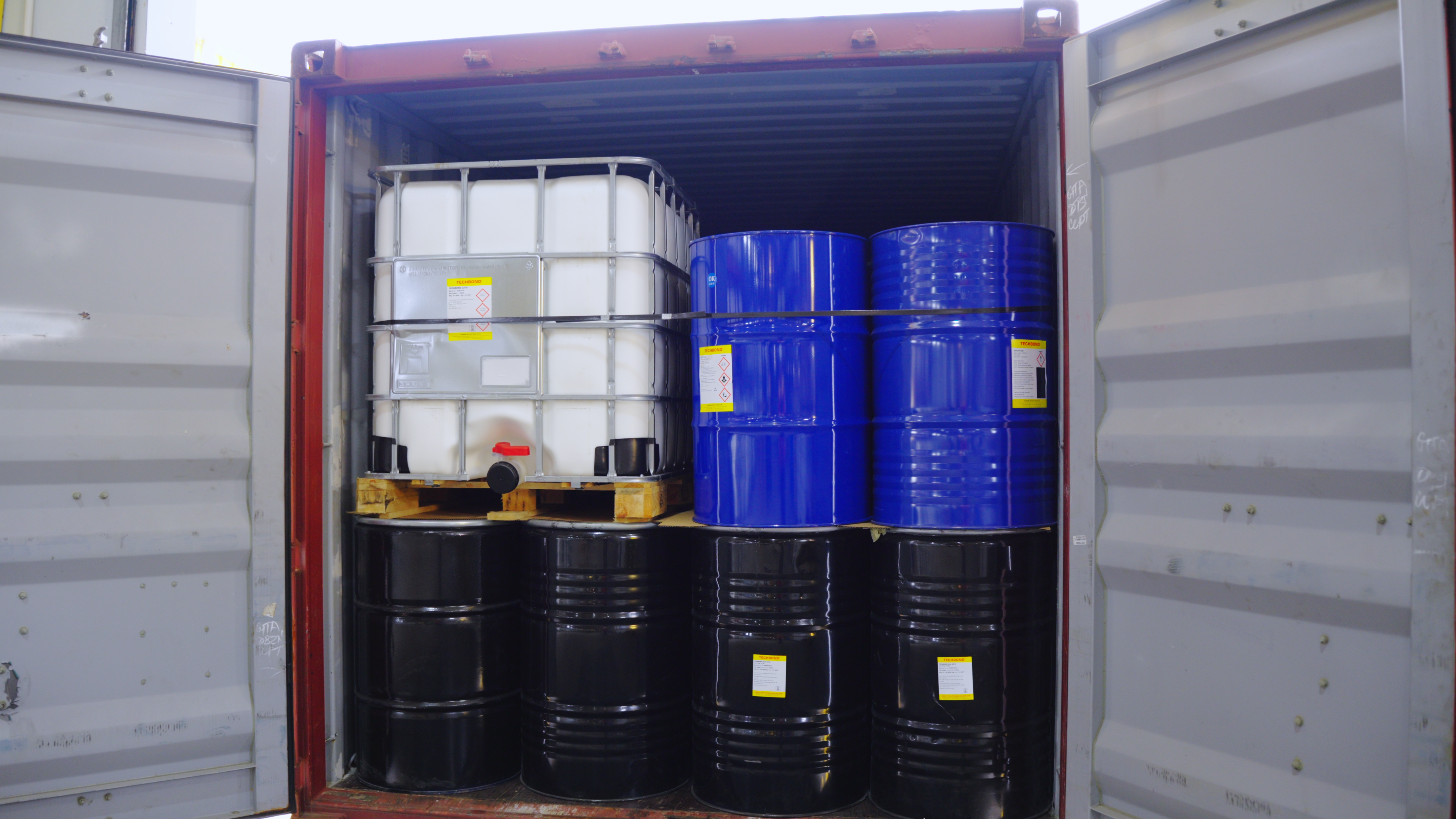
The product is prepared to the agreed specification, stored and inspected under TECHBOND’s quality control process. Identification information, quantity and packaging condition are checked before the goods are loaded and prepared for export.
5. Coordinate dispatch and provide updates
TECHBOND coordinates the shipment plan and documents with the relevant parties. Actual transit time remains subject to the route, logistics provider, procedures and conditions in the destination market.
What information should customers prepare before ordering?
Clear information helps make technical consultation and order preparation more focused. Businesses can use the following checklist:
- Materials and bonding application.
- Relevant equipment, process stage and line speed.
- Expected production volume or order quantity.
- Preferred packaging specification, if any.
- Destination country, port or receiving location.
- Buyer and consignee information.
- List of documents required for import.
- Date the material is required for production.
- Technical requirements or internal evaluation criteria.
Frequently asked questions about international delivery
Does TECHBOND deliver to every country?
TECHBOND has served customers in more than 30 countries. Supply to a specific destination must be reviewed according to the product, market requirements, transport option and conditions at the time of ordering.
How are international orders packaged and stored?
International orders are packaged, stored and inspected under TECHBOND’s quality control process. Packaging and loading arrangements are determined according to the product, quantity, transport method and requirements of the individual order.
Can TECHBOND provide COA, CQ and C/O documents?
TECHBOND can coordinate a Certificate of Analysis or Certificate of Quality and a Certificate of Origin where applicable. Customers should provide their specific requirements so TECHBOND can confirm which documents apply to the product and order.
How long does international delivery take?
Lead time must be confirmed for each order because it depends on the product, quantity, preparation schedule, transport route, logistics provider and destination-market procedures.
Do you need support with an international order?
Send TECHBOND information about your application, product requirement, destination country and required documents. Our team will discuss an appropriate approach for your order.
Related articles: international delivery of industrial adhesives, industrial adhesive products, and TECHBOND R&D center.

TECHBOND Vietnam is a leading manufacturer of industrial adhesives in Vietnam. We specialize in providing a wide range of flexibly customized adhesive products to meet the diverse requirements of our customers.
Need advice on the right industrial adhesive?
Share your materials, application and production process. TECHBOND will help recommend a suitable solution.
Request a consultation