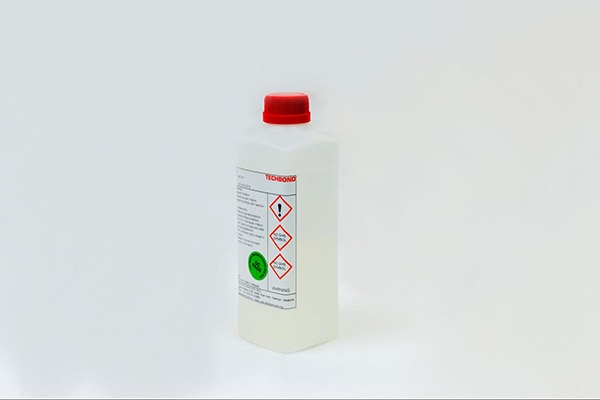
Quick answer: Two-component wood adhesive is designed for strong and durable wood joints in applications that require dependable bonding. Successful results depend on selecting the right adhesive system, preparing the substrate, following the specified A/B mixing ratio and carrying out a production trial before full-scale use.
Nội dung bài viết
1. Current demand for two-component wood adhesive
Woodworking manufacturers increasingly need bonding solutions that support stable joints, consistent production quality and the requirements of each finished product. Two-component systems are commonly considered for wood assembly, furniture components and other applications where process control matters.
2. Key features of two-component wood adhesive
A two-component adhesive is supplied as separate components that must be mixed according to the product technical guidance. The bonding result is influenced by adhesive selection, wood condition, mixing accuracy, spread rate, assembly time, pressure and curing conditions.
When specified and used correctly, a suitable system can help manufacturers obtain a reliable bond line while controlling their assembly process.
3. Technical guide to using two-component wood adhesive
3.1. Prepare the wood substrates
Ensure bonding surfaces are clean, dry and properly machined. Remove dust, oil, loose fibres and other contamination. Wood moisture, surface quality and joint fit should be checked against the adhesive technical documentation and the actual production conditions.
3.2. Prepare the adhesive mixture
Measure and mix Component A and Component B exactly as specified for the selected adhesive. Use clean tools and prepare only the quantity that can be applied within the stated working time. Do not change the ratio simply to speed up curing.
3.3. Application and pressing
Apply the mixed adhesive evenly to the required bonding surface, assemble within the applicable open time and press the joint using the pressure and duration recommended for the system. Allow the bond to cure sufficiently before machining, loading or quality evaluation.
4. Important notes for production use
Always follow the technical data sheet and safety instructions for the chosen product. Validate adhesion on the actual wood species, coating system, workshop temperature and production line before mass production. Record the mixing ratio, batch, press conditions and curing time so that results can be traced and optimized.
5. Practical applications of two-component wood adhesive
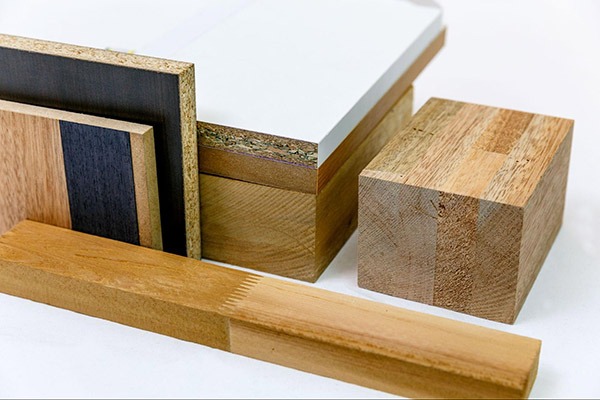
Two-component wood adhesive can be evaluated for furniture assembly, laminated wood components and other engineered wood bonding tasks where the selected product is technically appropriate. The best choice should be based on substrate, end-use requirements and the production process.
Process checks by joint type and equipment
A two-component format does not identify the chemistry. Dispersion systems used with a hardener, including EPI, and two-part epoxy have different instructions. Confirm the system before applying another product’s ratio or press schedule.
| Operation | Records | Finished-joint checks |
|---|---|---|
| Finger jointing | Profile, fit, adhesive amount and press cycle | Failure location, appearance and specified strength criteria |
| Edge gluing | Joint straightness, wood moisture and pressure distribution | Gaps, bondline and stability after conditioning |
| Assembly | Sequence, working interval and holding method | Fit, positioning and release to the next operation |
| High-frequency or special pressing | Adhesive/equipment compatibility, settings and operating instructions | Trial on the actual machine; do not copy a cold-press schedule |
This table prepares a trial and does not replace machine or adhesive operating instructions. Different wood species or dimensions also require evaluation.
Investigating separation after pressing
- Separation on release: review assembly timing, press duration, joint fit and coating amount.
- Soft or uneven glue line: check component pairing, ratio, mixing and usable period after mixing.
- Failure after conditioning or environmental testing: compare service requirements, test timing and the chosen system.
Retain passing and failing samples with wood details, product codes, batches, temperature, mixing records and press settings. These observations guide investigation rather than establish a cause.
Trial planning and cost comparison
Agree on acceptance criteria and inspection timing before trials. Use actual production materials, record settings and retain reference samples. Change one factor at a time. A dry-looking surface does not establish acceptable bond performance.
Compare adhesive consumed per accepted item, mixed material not used within its working period, mixing and cleanup effort, waiting time and rework. Record adhesive, labor, electricity and scrap separately to avoid double counting.
Compare our guides to AB and epoxy adhesive selection, PVA white glue and wood adhesive families by operation. These systems are not interchangeable merely because they have two components.
6. Why work with Techbond Việt Nam?
Techbond Việt Nam can help customers identify a suitable adhesive solution and align product selection with their wood materials and manufacturing process. For a specific project, contact the Techbond Việt Nam team with information about the substrate, joint design and target performance so a proper trial can be planned.

For product advice and trial planning, contact Techbond Việt Nam with your wood species, joint design, equipment and service requirements.
Frequently asked questions about two-component wood adhesive
What is two-component wood adhesive used for?
It is used for wood bonding applications that require a specified adhesive system and controlled mixing, assembly and curing conditions. Suitability must be confirmed for the individual substrate and end use.
Can I change the A/B ratio to make the adhesive cure faster?
No. Follow the product’s documented mixing ratio. Changing it can reduce bond quality and make production results inconsistent.
What should be checked before mass production?
Run a trial with the actual wood, preparation method, adhesive ratio, spread rate, press settings and curing conditions. Confirm bond quality before scaling the process.

Techbond Việt Nam supplies industrial adhesives for woodworking, paper, packaging and other manufacturing applications. The team supports adhesive selection based on customer materials and production processes.
Need advice on the right industrial adhesive?
Share your materials, application and production process. Techbond Việt Nam will help recommend a suitable solution.
Request a consultation