Finger jointing with one-component PVAc wood glue is a woodworking method used to join shorter timber pieces into longer, stable components. It is widely used for furniture, flooring, interior finishing and wood-product manufacturing. This guide explains the adhesive, applications and the practical finger-jointing process.
Nội dung bài viết
Introduction to one-component PVAc wood glue
One-component PVAc wood glue is a water-based adhesive based on polyvinyl acetate. It is ready to use, typically milky white in appearance, and does not require mixing before application. This makes it practical for production lines that need consistent handling and repeatable bonding conditions.
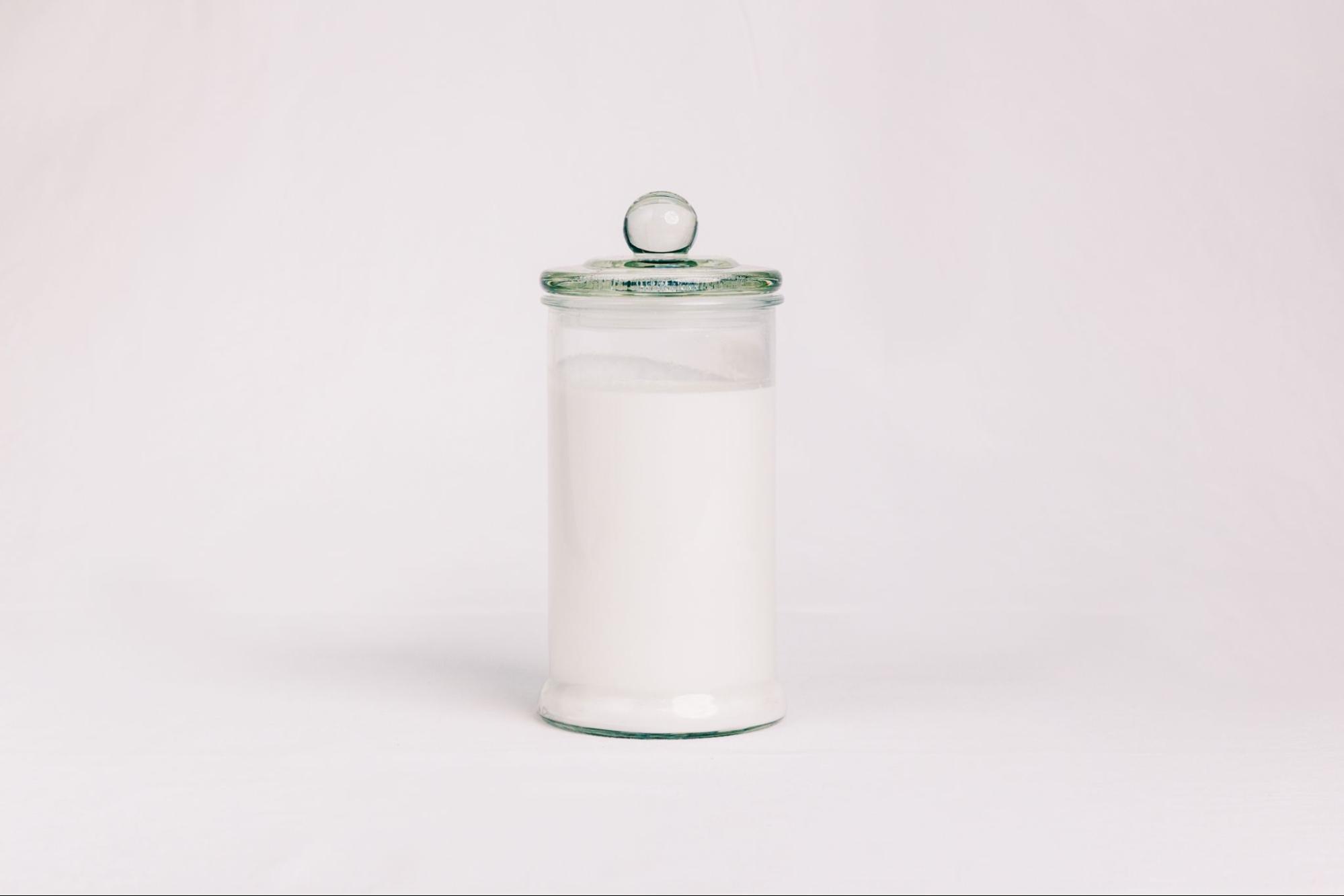
Characteristics of TECHBOND one-component PVAc adhesive
- Strong bonding performance on suitable wood substrates and compatibility with common woodworking equipment.
- Short drying time with a durable, elastic bond when process conditions are controlled.
- Product grades are available for different viscosity, application and surface requirements.
- Suitable products can meet D2 or D3 performance classifications under the relevant EN 204/205 test conditions; confirm the current TDS for the selected grade.
- Ready-to-use handling eliminates mixing steps and helps reduce errors associated with mixed systems.
Adhesive selection should consider wood species, wood origin, surface quality and storage conditions. The correct product is also determined by required open time, pressing method and production speed.
Applications of PVAc adhesive in finger-jointed wood
Finger-jointed wood is made by machining short wood pieces with interlocking tooth-like profiles and joining them into longer elements. It is used for furniture, flooring, interior components, panels and other wood products. In addition to finger joints, one-component PVAc adhesives can be used for edge lamination, assembly and mortise-and-tenon joints where the product is technically suitable.
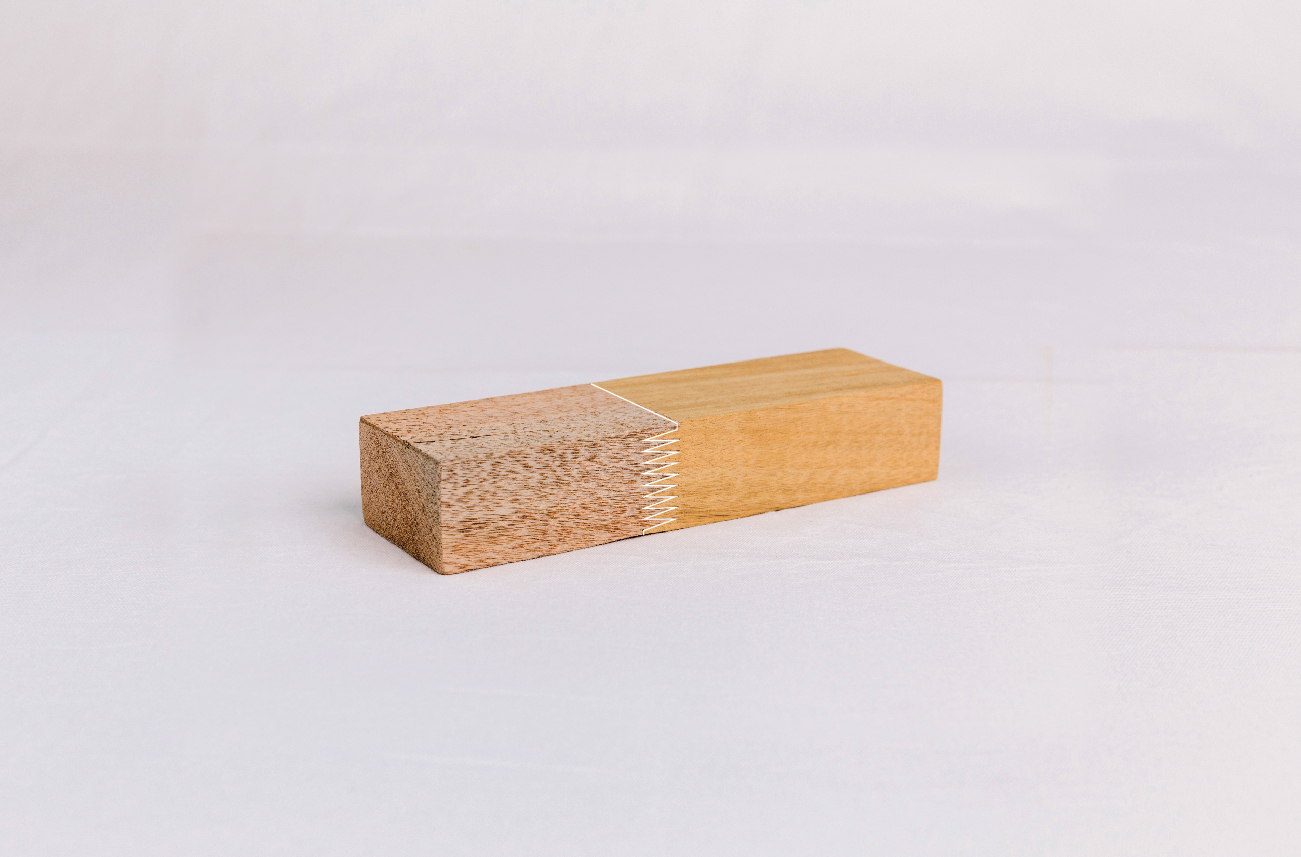
Finger jointing process with one-component PVAc wood glue
1. Prepare the wood
Keep bonding surfaces smooth, even, clean and free of dust, oil and grease. Machine the finger profiles accurately so that the joint closes without visible gaps. A wood moisture content of approximately 8% to 12% is commonly used as a production reference; confirm the target condition for your wood and adhesive system.
2. Apply the adhesive
Apply the one-component adhesive directly without mixing. Coat the bonding area evenly and use sufficient spread to cover the required contact area. Assemble the joint within the product’s recommended open time. For many fast finger-jointing processes, the assembly period is kept short; follow the current TECHBOND Technical Data Sheet for the selected product.
3. Press and cure
Use pressing pressure and press time suitable for the wood, joint profile and adhesive. As an indicative process range, vertical finger-joint equipment may use approximately 4–6 kg/cm² pressure and 7–10 seconds pressing time, subject to validation on the actual line. Allow the bond to cure adequately before machining or loading the component.
4. Clean equipment safely
Clean adhesive containers and tools before and after work. If adhesive contacts skin, wash with soap and water. Refer to the product Safety Data Sheet for current handling and safety guidance.
TECHBOND support
With experience in industrial adhesives, TECHBOND can help manufacturers select suitable PVAc adhesive grades and application conditions for roller, scraper, nozzle or direct-pour systems. Share your wood species, joint design, equipment and production target for practical technical guidance.

Need advice on the right industrial adhesive?
Share your materials, application and production process. TECHBOND will help recommend a suitable solution.
Request a consultation