
Edge gluing adhesive for wood helps join narrow boards into wider panels for furniture and other wood products. Selecting a suitable formulation, preparing the timber and controlling the pressing process all affect bond quality. This guide explains common uses, practical precautions and what to ask when choosing a supplier.
Nội dung bài viết
What is edge gluing adhesive for wood?
Edge gluing joins the edges of smaller wood pieces to create a larger panel while making efficient use of timber. Adhesives may be one-component or two-component products, depending on the wood species, production method and required performance. A two-component system combines adhesive with a hardener at the ratio specified by its manufacturer. The finished bond depends on the formulation and correct processing, so compare technical data for strength, water resistance and heat resistance rather than assuming every grade performs alike.
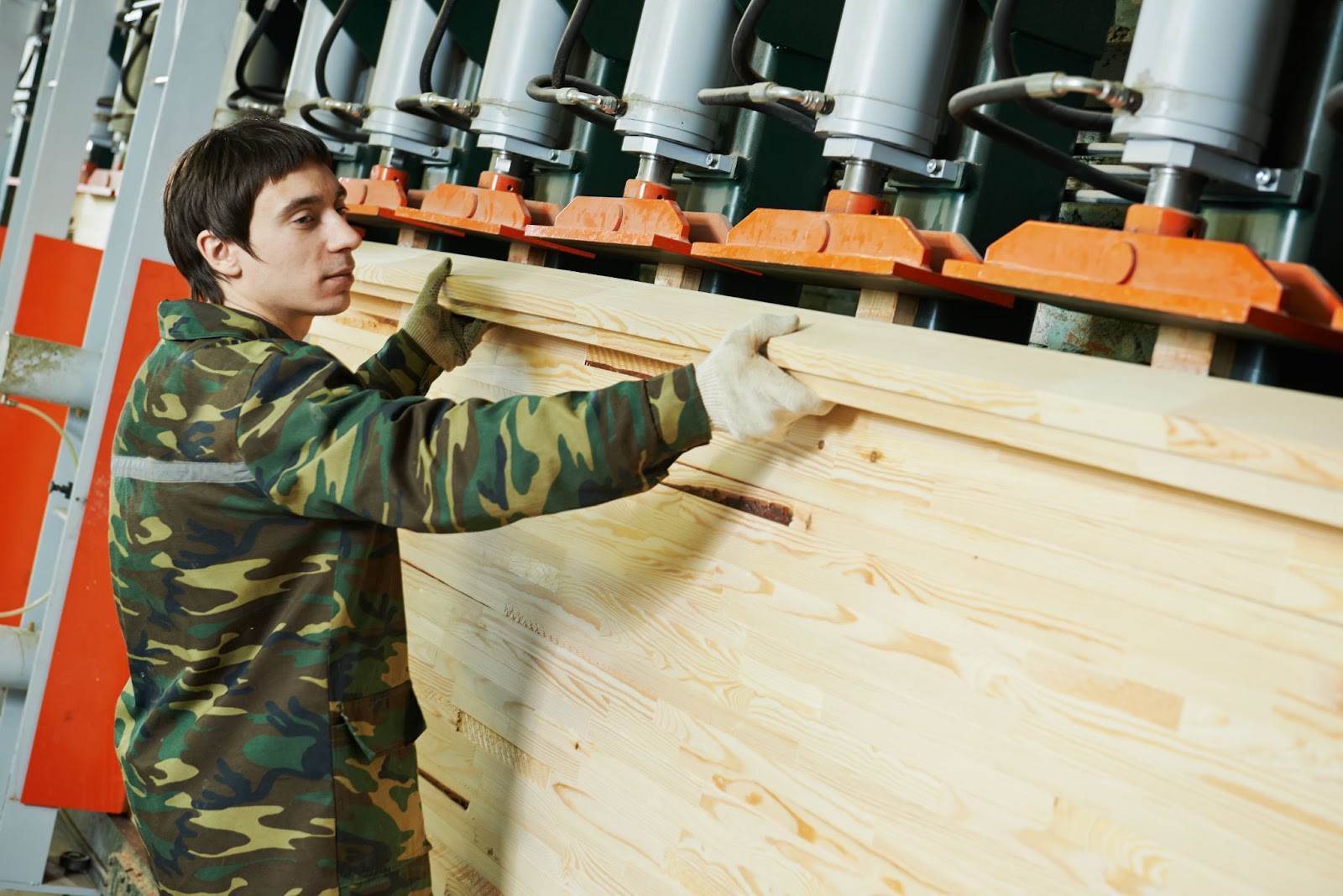
Edge gluing is used to make wider panels for furniture and wood products.
Uses and selection factors
Edge gluing adhesive for wood is used in wood processing and furniture production. The appropriate grade depends on the substrate, joint design, application equipment and conditions the finished product will face. Requirements for water and heat resistance differ between indoor and more demanding uses. When a D3 or D4 performance class is required, ask the supplier for product-specific evidence and the relevant test method.
Some formulations can be used with softwood, medium-density timber and hardwood. For MDF, veneer, melamine-faced board or plywood, assess the actual bonding surfaces and process before selecting an adhesive. Read our English guide to two-component wood adhesive for related uses and handling considerations.
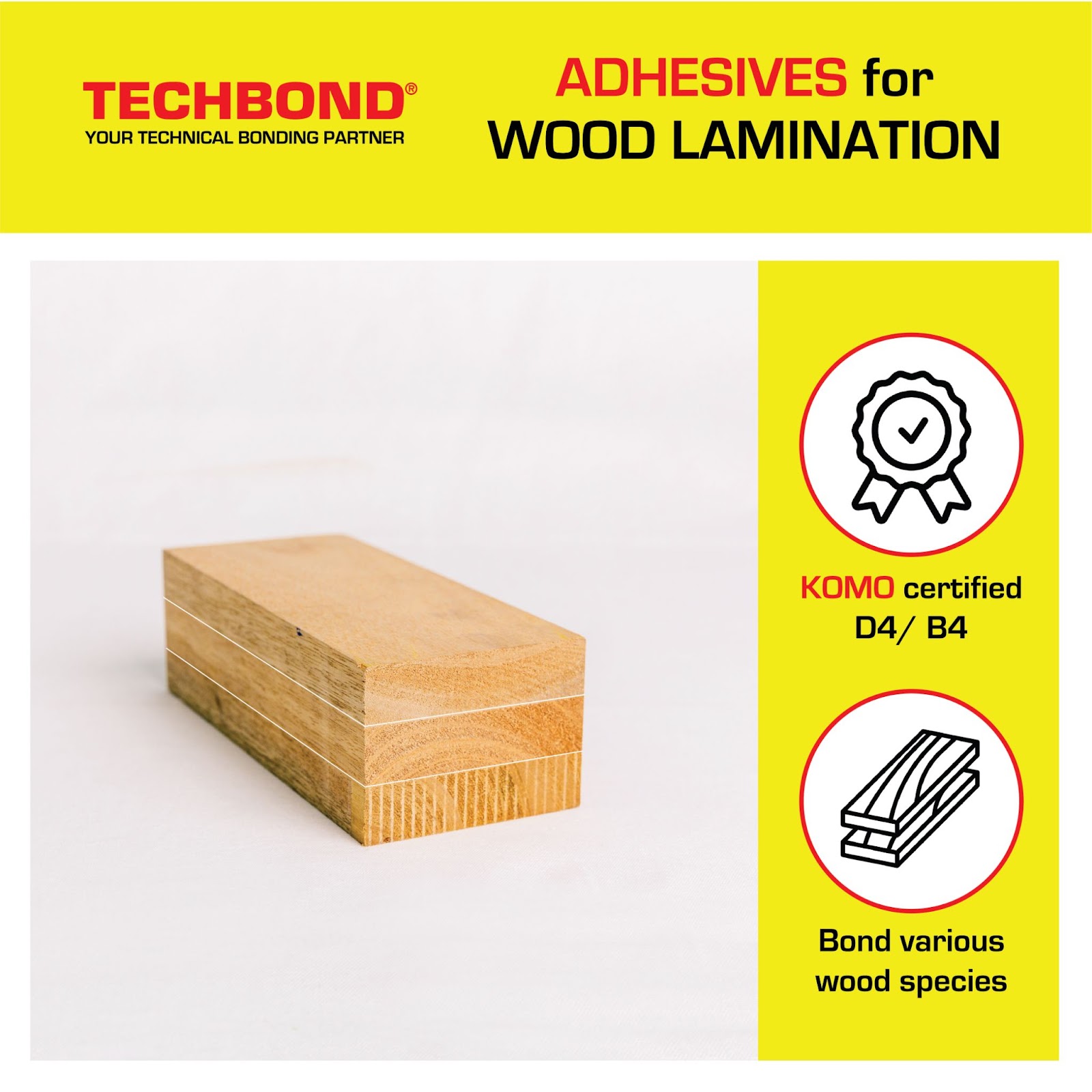
Choose adhesive properties to match the wood and the required bond performance.
Practical precautions when using edge gluing adhesive
Follow the selected product’s technical data sheet and confirm the process in a production trial. These checks help avoid weak or inconsistent joints:
- Mix only what the line can use: For a two-component adhesive, observe the specified mix ratio and pot life. A mixed batch may lose usability after its stated working time.
- Control assembly time: Join and press the coated edges within the adhesive’s allowed open time.
- Match the pressing method: Choose cold pressing, hot pressing or high-frequency pressing only when the grade is suitable for that process.
- Prepare the edges: Machine the wood to straight, smooth mating surfaces and remove dust, wax and oil. Check moisture content against the adhesive and wood requirements.
- Apply an even amount: Avoid too little adhesive or excessive spill-out, and use the recommended pressure and pressing time.
- Store safely: Follow the product’s storage and safety instructions, keep containers closed and protect them from unsuitable heat and direct sunlight.
Use across different wood products
Some white wood-adhesive formulations are suitable for edge gluing, panel production and other joinery. Their suitability for softwood, hardwood, hot pressing or high-frequency pressing depends on the grade. Trial the adhesive with the actual wood and equipment before scaling production. Related reading: how to select an industrial adhesive.
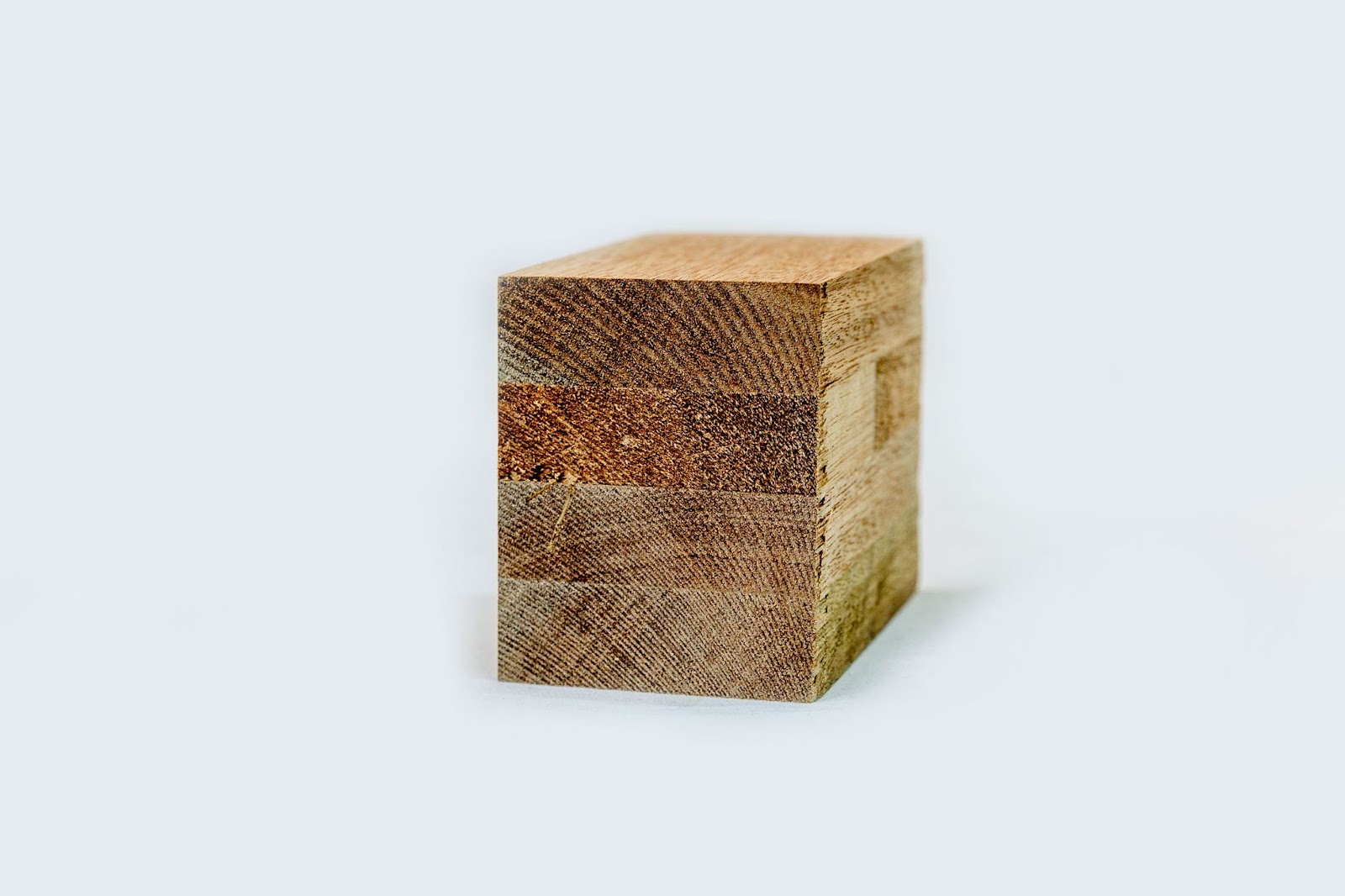
The right adhesive grade depends on wood type and production conditions.
Where to buy quality edge gluing adhesive for wood

TECHBOND manufactures and supplies industrial adhesives.
TECHBOND provides industrial adhesive solutions for different manufacturing needs. When contacting a supplier, share the wood species, panel size, application method, press type, target production speed and required service conditions. Ask for a suitable grade, its technical data and a sample trial rather than choosing on price alone.
Product range and technical fit
A useful supplier can compare adhesive properties such as viscosity, open time, setting time and bond performance against the customer’s production process. TECHBOND offers different industrial adhesive grades and can discuss an appropriate option for the specific edge gluing application.
Quality and purchasing considerations
Review product consistency, technical support and supply needs alongside price. A stable bond can help reduce rework and repair costs. Confirm the quotation, lead time and required volume for your order. Learn more about choosing the right industrial adhesive.
For advice on edge gluing adhesive for wood, contact TECHBOND Vietnam with your materials and process details. You can also refer to the wood glue overview for general terminology.
TECHBOND MFG (VIETNAM) CO., LTD.
- Address: No. 18 VSIP II-A, Street 23, Vietnam–Singapore Industrial Park II-A, Vinh Tan Ward, Tan Uyen City, Binh Duong Province, Vietnam.
- Sales hotline: 0866 15 37 68
- Email: info@techbond.com.vn

TECHBOND Vietnam is a leading manufacturer of industrial adhesives in Vietnam. We specialize in providing a wide range of flexibly customized adhesive products to meet the diverse requirements of our customers.
Need advice on the right industrial adhesive?
Share your materials, application and production process. TECHBOND will help recommend a suitable solution.
Request a consultation







