
Choosing a suitable can labeling adhesive helps labels stay in place and present the product clearly during production, transport and storage. Food, beverage and other cans may use different label materials and line conditions. TECHBOND explains the main adhesive options, technical checks and benefits of reliable labeling.
Nội dung bài viết
What does an adhesive do in can labeling?
A label carries product details and brand graphics. Its bond to the can must form quickly enough for the production line and remain stable during handling. A poor match among adhesive, label, coating and equipment can lead to lifting edges, shifting labels or visible defects. When specifying a can labeling adhesive, manufacturers should assess the entire package rather than adhesive strength alone.
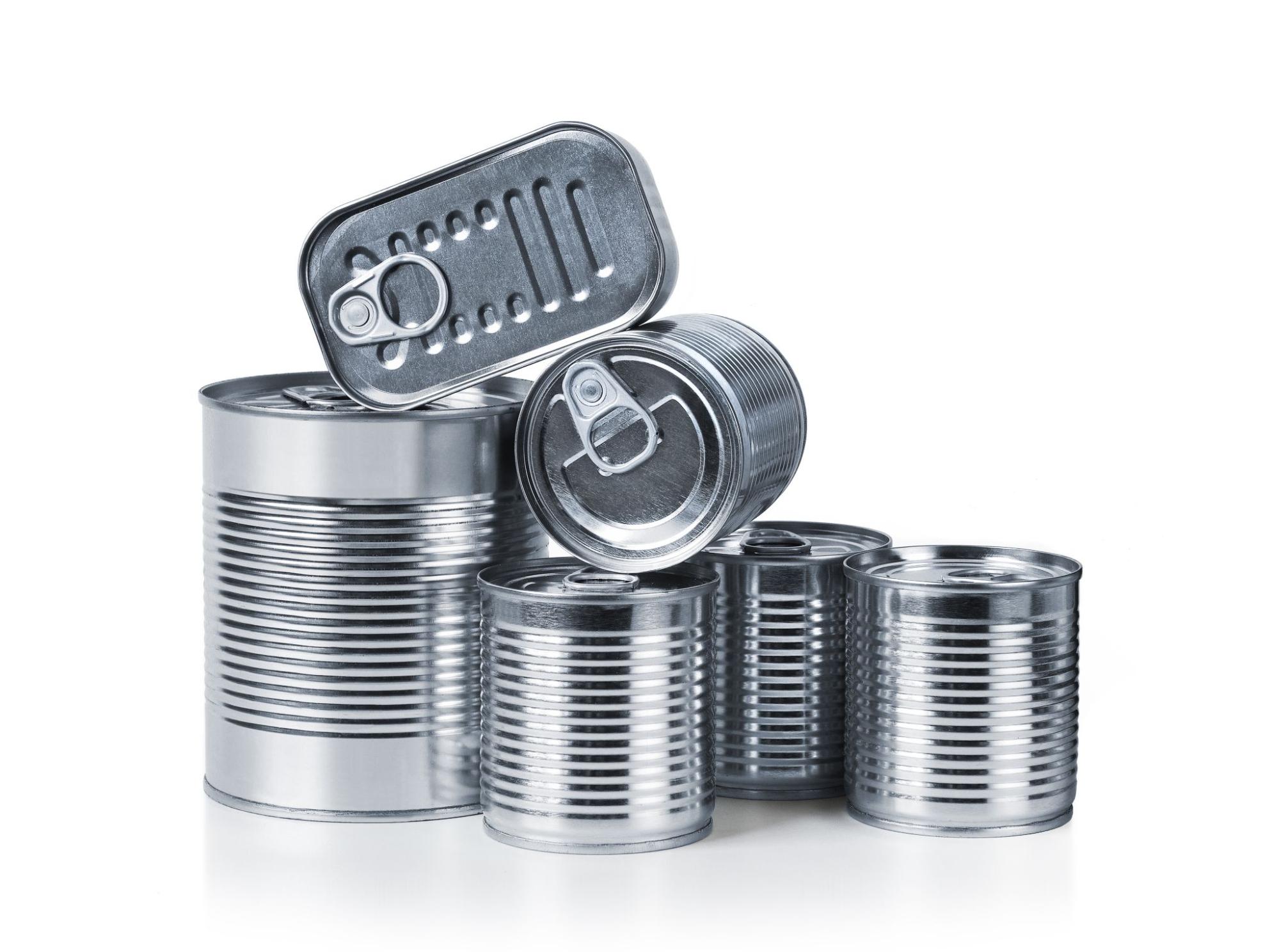
Reliable labels protect product presentation and support brand recognition.
The surface to be bonded may be bare metal, a printed or varnished can, or a label-to-label overlap. Each interface has different adhesion requirements. Testing should use the actual can and label stock, including any inks, coatings and surface treatments.
Common types of can labeling adhesive
Hot melt adhesives
Hot melts are applied in a heated state and develop handling strength as they cool. They can fit fast automated operations when the open time, tack and application equipment are matched. The Vietnamese source describes TECHBOND hot melt products for pickup points and label overlaps on vertical and horizontal machines. Learn more from TECHBOND’s English guide to hot melt adhesives and this general hot melt adhesive reference.
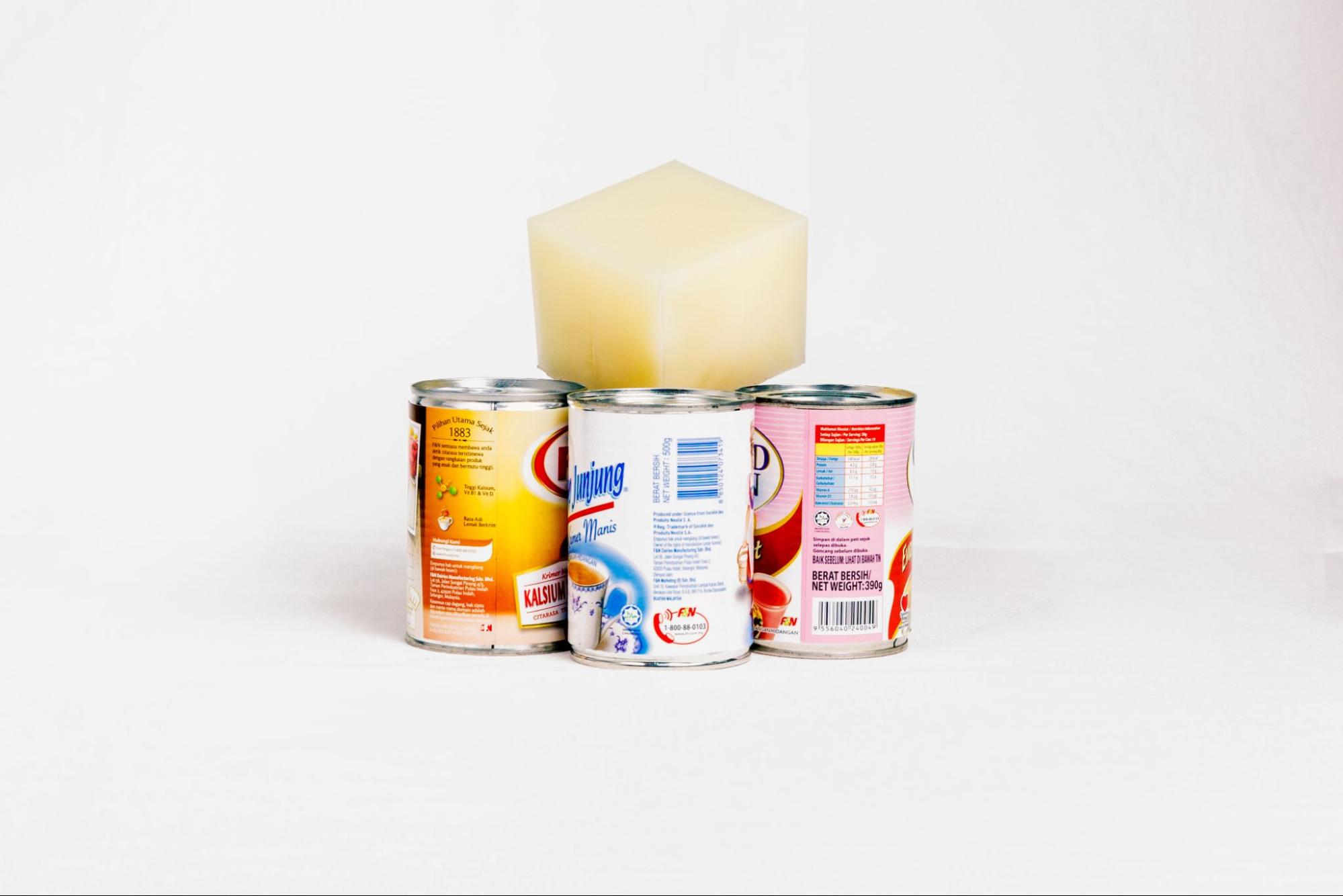
Hot melt options can support high-speed can labeling when correctly specified.
The source mentions the INNOMELT range and an operating speed of up to 900 cans per minute. That figure should be treated as an application-dependent claim, not a guaranteed speed for every grade or machine. Confirm the selected product’s technical data, actual line speed and finished-label performance through a production trial.
- Fast set: evaluate whether the label is held securely before downstream handling.
- Equipment stability: monitor viscosity, heating and the risk of char in the melt tank for the chosen grade.
- Clean operation: assess odor, stringing and coating consistency on the real line.
Polyolefin-based hot melts are among the options described in the source. Their practical performance depends on formulation and application conditions. See TECHBOND’s polyolefin hot melt adhesive guide for more background.
Water-based adhesives
A water-based adhesive may suit paper labels and certain label-to-label overlap applications. The source describes TECHBOND water-based options with moderate viscosity and useful initial tack. Drying rate and final resistance vary by grade, label absorbency, coat weight and production conditions; they should be checked with the actual packaging materials.
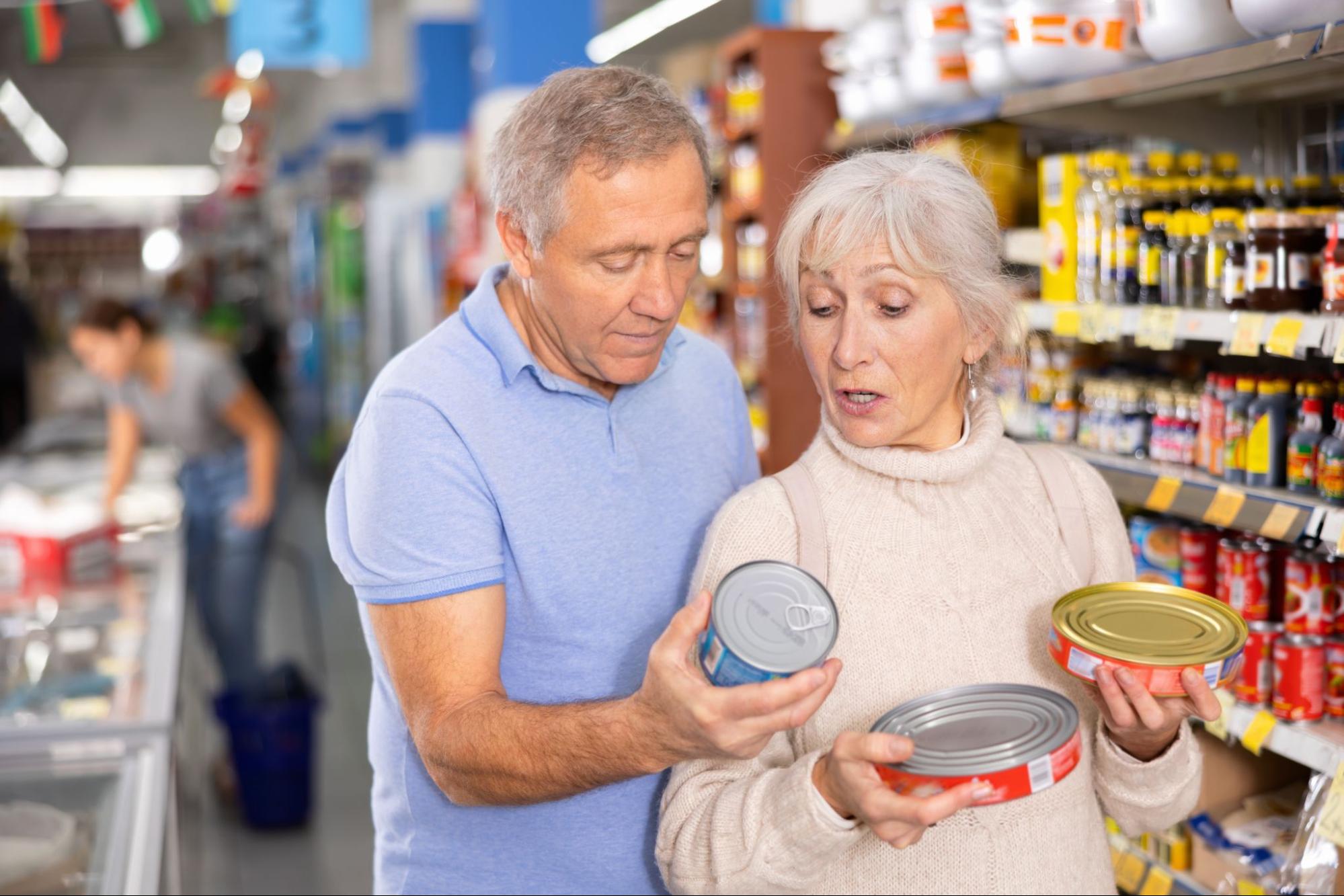
Water-based products can be considered for suitable paper-label processes.
- Appearance: check for staining, wrinkles or visible glue marks after drying.
- Initial tack: confirm that the label stays in place until the bond develops.
- Machine compatibility: assess viscosity, cleaning needs and contact with equipment components.
- Total cost: include drying energy, downtime and rejects as well as adhesive price.
Technical criteria for selecting a can labeling adhesive
Initial tack and lasting bond
At the application station, sufficient tack helps prevent the label from sliding. After bonding, the label needs to survive normal transport, abrasion and storage. Test both early handling strength and long-term adhesion. A strong initial bond does not automatically prove durable performance under every condition.
Temperature, humidity and handling
Determine whether the labeled cans will be refrigerated, exposed to condensation or stored in warm conditions. Check the adhesive after the relevant exposure cycle. For food and beverage packaging, review the documentation for the specific adhesive and intended package construction; broad claims about health or environmental compliance require application-specific evidence.
Label appearance
Uniform application helps preserve print quality. Depending on the label design, transparency, color stability and low visible residue can be important. Evaluate the finished can after aging, not just immediately after labeling, so that yellowing, lifting or staining can be found before production is scaled.
Benefits of a validated labeling process
- Consistent presentation: neatly attached labels communicate the intended brand image.
- Lower rework: a suitable adhesive and stable application process can reduce label defects and waste.
- Better line reliability: matching viscosity, set time and cleaning requirements to the machine supports predictable production.
Discuss a can-labeling trial with TECHBOND
TECHBOND supplies industrial adhesive solutions for several manufacturing sectors. Share the can finish, label material, labeling method, target speed and storage conditions with the technical team. These details help identify a promising can labeling adhesive grade and a practical trial plan. Compare samples for adhesion, appearance and machine behavior before routine production.
TECHBOND develops adhesive solutions for industrial production.
TECHBOND MFG (Vietnam) Co., Ltd.
- Address: No. 18 VSIP II-A, Street 23, Vietnam–Singapore Industrial Park II-A, Vinh Tan Ward, Tan Uyen, Binh Duong, Vietnam
- Sales hotline: 0866 15 37 68
- Email: info@techbond.com.vn

TECHBOND Vietnam is a leading manufacturer of industrial adhesives in Vietnam. We specialize in providing a wide range of flexibly customized adhesive products to meet the diverse requirements of our customers.
Need advice on the right industrial adhesive?
Share your materials, application and production process. TECHBOND will help recommend a suitable solution.
Request a consultation







