Hot melt adhesive is a thermoplastic adhesive that melts when heated and solidifies as it cools. It is used in packaging, footwear, furniture, electronics, repair and many industrial applications.
Nội dung bài viết
What is hot melt adhesive?
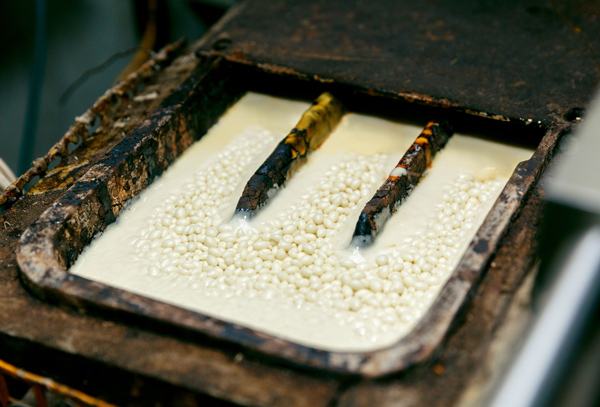
Hotmelt is supplied as pellets, sticks or blocks for automatic and semi-automatic equipment. Its advantages include high adhesion, fast setting, solvent-free processing and compatibility with many substrates.
Main components
Formulations contain polymer resin, elastomers, tackifiers, waxes, stabilizers and antioxidants. These ingredients control viscosity, flexibility, open time, heat resistance and bonding performance.
How does hot melt work?
Heating and melting
The adhesive is heated to its recommended melting range, commonly 140–200°C depending on the formulation. Too little heat causes poor wetting and premature setting; excessive heat can damage the adhesive and reduce bond quality.
Application and pressing
Once molten, hotmelt is applied by roller, nozzle or spray equipment between the surfaces to be joined. Pressing spreads the adhesive evenly and increases surface contact.
Cooling and bonding
As the adhesive cools, it returns to a solid state and forms a stable bond.
Factors affecting performance
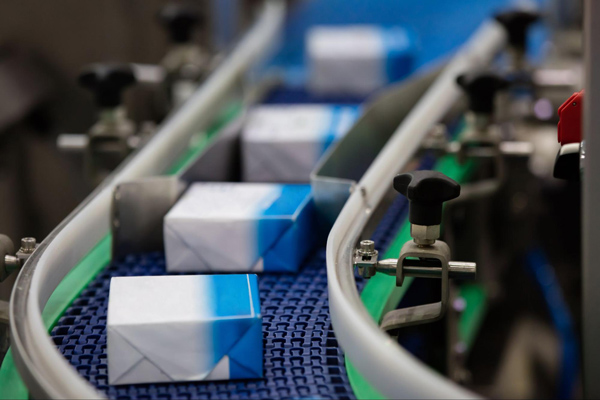
Control melting temperature, heating time, open time, humidity and machine running speed. Moisture can reduce adhesion on absorbent materials such as wood and paper. Production speed must match the adhesive open time and cooling behavior.
Conclusion
Choose hot melt adhesive according to the substrate, equipment and production conditions. TECHBOND can help evaluate your process and recommend a suitable solution.
Hotline: 0866 15 37 68 · Email: info@techbond.com.vn

Need advice on the right industrial adhesive?
Share your materials, application and production process. TECHBOND will help recommend a suitable solution.
Request a consultation