
Summary: Traditional hot melt and reactive polyurethane (PUR) hot melt can both be used in woodworking, but they differ in how they form a bond, how they respond to moisture and what the equipment must handle. The best choice depends on the substrate, service conditions and production process.
Nội dung bài viết
Traditional hot melt vs PUR adhesive for wood: quick comparison
| Criterion | Traditional hot melt | Reactive PUR hot melt |
|---|---|---|
| Bond formation | Applied molten; develops initial strength as it cools | Develops initial strength on cooling, then cures through a moisture reaction |
| Production timing | Often suitable when fast handling strength is required | Open time and subsequent cure must both suit the line |
| Typical selection factor | Consider when a thermoplastic bond meets the service requirements | Consider when the tested application needs greater moisture or heat resistance |
Choosing between traditional hot melt vs PUR adhesive for wood affects the bond, maintenance and total process cost. TECHBOND compares the two systems below so manufacturers can plan a trial with the actual wood-based material and equipment.
Traditional hot melt adhesive
A conventional hot melt is usually a thermoplastic adhesive supplied in a solid form. It softens when heated for application and develops initial bond strength as it cools. Formulations vary: an EVA or polyolefin hot melt, for example, should not be assumed to have identical performance. See the general hot-melt adhesive overview for background on this category.
Common characteristics
- Can bond suitable wood-based boards, veneers and edge bands when the grade matches the surface.
- Usually offers fast initial handling strength because the applied adhesive cools quickly.
- Does not require moisture curing, which can simplify some production processes.
- Flexibility, water resistance and heat resistance depend on the exact formulation and finished joint.
When is a traditional hot melt suitable?
Consider it where a fast-setting adhesive meets the product’s strength, appearance and service-temperature requirements. It can be useful in compatible edge-banding or assembly operations. Application temperature is grade-specific; a broad range does not establish that one hot melt always runs cooler than PUR. Check the technical data sheet and measure temperature at the applicator before using the adhesive on a heat-sensitive surface.
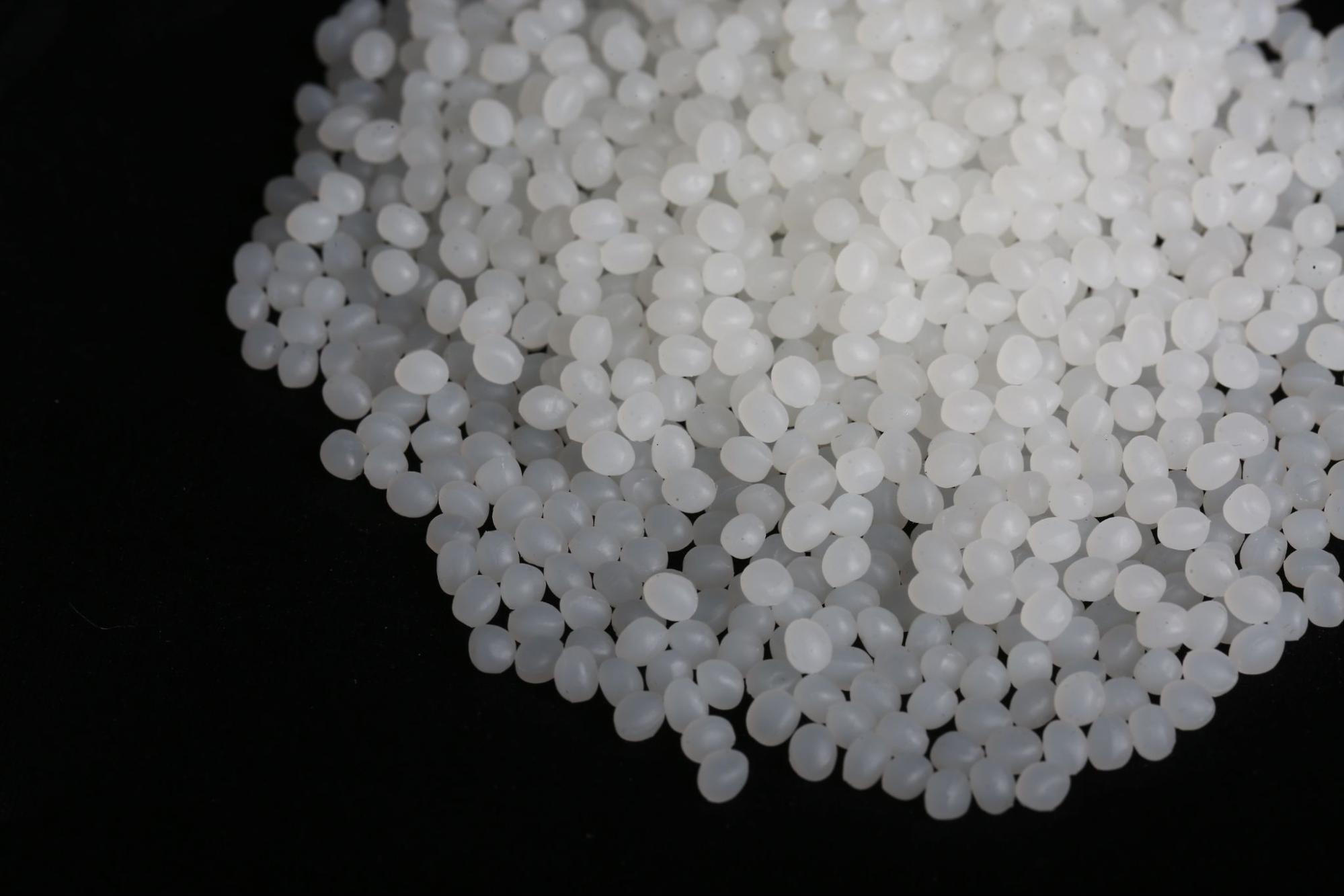
Choose a hot melt grade based on the wood surface, equipment and finished-product requirements.
Cost and process: A conventional hot melt may have a lower material or operating cost in a given line, but price alone is not enough to choose it. Compare consumption, cleaning, waste, line speed and bond failures. For practical selection points, read our MDF edge-banding adhesive guide.
When should you test another adhesive?
A thermoplastic bond may soften as temperature rises. If the finished product faces prolonged heat, moisture, cleaning chemicals or high mechanical stress, test the conventional grade under those exact conditions. A broad claim that every conventional hot melt fails under heat would be inaccurate; performance varies by formulation.
Reactive polyurethane (PUR) hot melt
PUR hot melt is applied warm and gains initial strength on cooling. It subsequently reacts with moisture and cures. This second stage can improve the finished bond’s resistance to heat and moisture for suitable grades, but the result depends on the adhesive, substrates and cure conditions.
Reactive PUR hot melts need suitable application and moisture-control procedures.
PUR grades differ in open time, viscosity, application temperature and cure rate. Match the selected grade to the applicator, target glue pattern and production speed. Because uncured PUR reacts with atmospheric moisture, equipment cleaning and storage require the supplier’s instructions.
When should you consider PUR?
- The tested product requires a durable bond on a compatible board, laminate, veneer or edge band.
- The finished joint must tolerate a defined level of moisture or heat exposure.
- The line can manage PUR handling, applicator maintenance and the required curing period.
Do not treat a single value such as 120°C as a universal heat-resistance rating for PUR. Request data for the exact grade and verify the finished assembly under its expected load and temperature cycle.
When may PUR be a poor fit?
PUR may add unnecessary complexity if a conventional grade already meets all requirements. Moisture-sensitive storage, line shutdowns, specialized cleaning and curing time must be included in the decision. Shelf life is product-specific; follow the unopened and opened-package guidance on the exact adhesive label.
Traditional hot melt vs PUR adhesive for wood: choosing a process
Both systems are applied warm, but their final bond formation differs. Traditional hot melt develops strength as it cools; reactive PUR also needs time for moisture curing. When evaluating traditional hot melt vs PUR adhesive for wood, compare test pieces after the complete process rather than judging only the initial tack.
| Potential advantages of traditional hot melt | Potential advantages of reactive PUR hot melt |
| Fast initial set Straightforward storage for many grades A practical option when validated service demands are moderate |
Additional moisture-curing mechanism Can offer improved moisture or heat resistance for a suitable grade Useful for demanding bonded assemblies after validation |
Before selecting a product, compare bond strength, appearance, edge quality, heat and humidity performance, total operating cost and required maintenance. The hot melt adhesive technical specifications guide lists useful data to request for a controlled trial.
TECHBOND can help review traditional hot melt vs PUR adhesive for wood against your actual substrate and line. Share sample materials, equipment details and end-use conditions for a more relevant recommendation.
TECHBOND MFG (VIETNAM) CO., LTD.
- Address: No. 18 VSIP II-A, Street 23, Vietnam–Singapore Industrial Park II-A, Vinh Tan Ward, Tan Uyen City, Binh Duong Province, Vietnam
- Hotline: 0866 15 37 68
- Email: info@techbond.com.vn

TECHBOND Vietnam is a leading manufacturer of industrial adhesives in Vietnam. We specialize in providing a wide range of flexibly customized adhesive products to meet the diverse requirements of our customers.
Need advice on the right industrial adhesive?
Share your materials, application and production process. TECHBOND will help recommend a suitable solution.
Request a consultation







