Peeling edges are a common problem when using edge banding adhesive in industrial woodworking. The defect may appear immediately after machining or develop after a period of use. Before changing to another adhesive, manufacturers should check the material, surface, equipment, and operating conditions together.
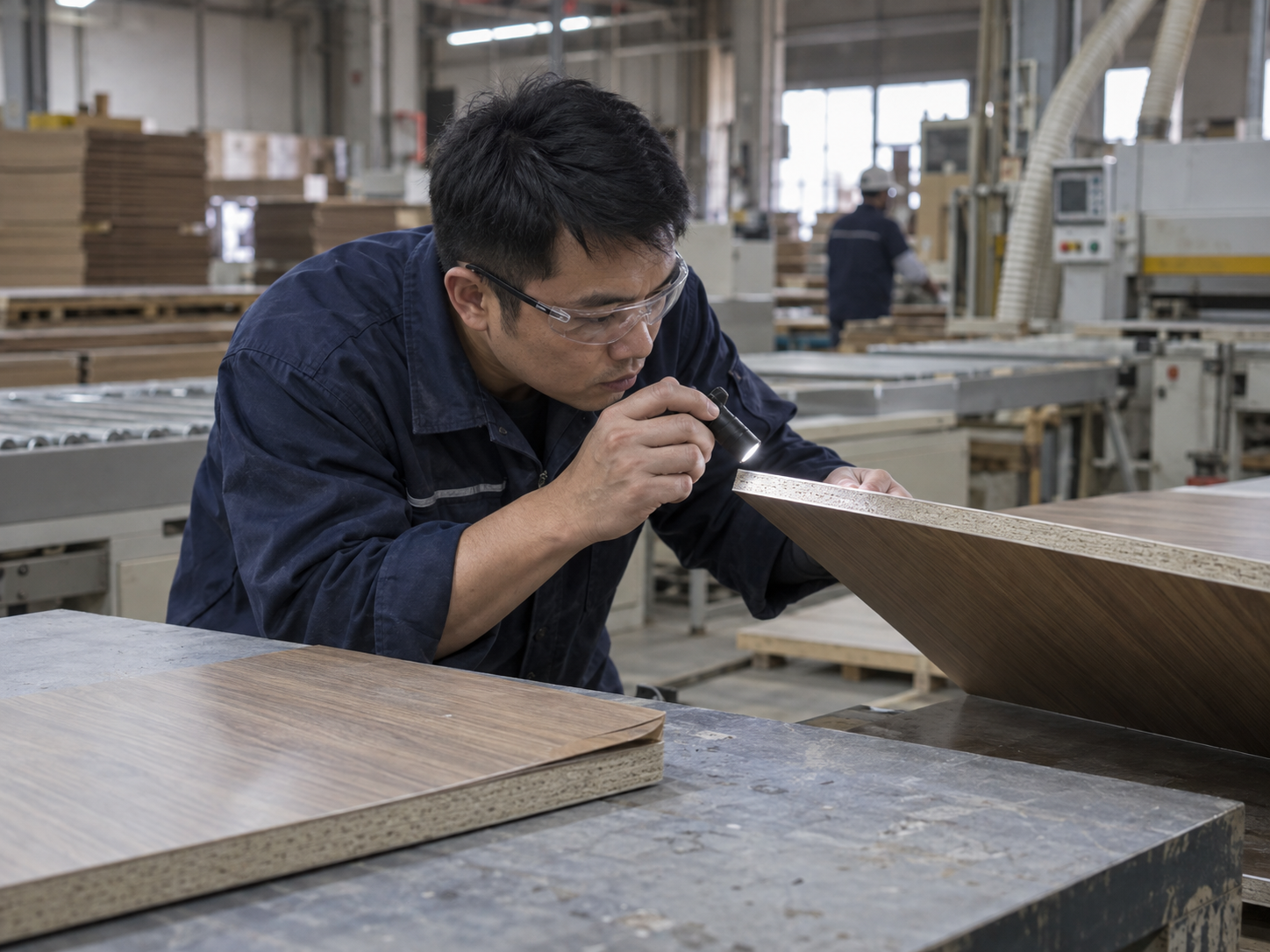
Table of Contents
What is edge banding adhesive?
Edge banding adhesive is used to bond edge tape to panels such as MDF, HDF, particleboard, and other engineered wood structures. Depending on the production line and materials, the process may use water-based adhesive, hot-melt adhesive, or a specialized adhesive system. The right adhesive should be selected according to the materials, equipment, machine speed, and required finish.
7 causes of peeling wood edges
1. The panel or edge tape surface is not clean
Wood dust, oil, release agents, and material particles can create a barrier between the adhesive and the surface. Before bonding, inspect the surfaces, remove dust, and make sure the materials are not damp or contaminated.
2. The materials are not compatible
Edge tape and panel cores may differ in structure, roughness, or surface energy. An adhesive that performs well on one material may not be suitable for another. Test the adhesive on the actual material combination and under real production conditions.
3. Temperature or viscosity is not suitable
For hot-melt adhesives, processing temperature affects flow, wetting, and bond formation. A temperature that is too low may prevent even spreading, while excessive heat may change the adhesive properties. Always follow the current technical data sheet instead of adjusting settings by guesswork.
4. Adhesive distribution is uneven
Too little adhesive can create areas with insufficient coverage, while too much adhesive can dirty the surface or extend the stabilization time. Check the roller, nozzle, gap, and adhesive buildup on the equipment.
5. Pressure or machine speed is unstable
Insufficient pressure, misaligned rollers, or excessive line speed can reduce the required contact time. When a defect is detected, check each parameter and change one factor at a time to identify the cause.
6. Material and environmental conditions are not suitable
Moisture, warehouse temperature, storage time, and changes between production shifts can affect bonding results. Store materials according to the manufacturer’s instructions and allow them to acclimatize to the environment before processing when necessary.
7. The stabilization time is insufficient
Some adhesive systems need time to reach the required bond strength. Do not conclude that an adhesive has failed based only on a test performed too early. The evaluation time should follow the technical documentation and the factory’s quality-control procedure.
What to check when edge peeling occurs
- Record the location, length, and severity of the peeling.
- Inspect the edge tape, panel core, and surface contamination.
- Check the material batch, adhesive batch, and storage time.
- Check temperature, adhesive amount, pressing pressure, and machine speed.
- Conduct a controlled test on representative samples.
- Compare the results with the TDS/SDS and the technical instructions for the adhesive in use.
How to reduce the risk of peeling edges
Manufacturers should create a start-of-shift inspection checklist, record changes in materials and equipment, and retain reference samples when changing adhesive or panel batches. When selecting a new product, provide the supplier with information about the materials, machinery, line speed, and required finish so that the recommendation can be tested properly.
Conclusion
Peeling edges are not always caused by the adhesive itself. A systematic check can help distinguish problems related to the surface, materials, equipment, operating conditions, or stabilization time. TECHBOND can receive application details and material samples to support test planning. The final selection should be confirmed through controlled testing and the current technical documentation.
Read more: woodworking adhesives and how to choose industrial adhesive by material and production process.
Related articles: industrial wood adhesive, wood panel bonding adhesive, and TECHBOND D4 adhesive.

Techbond Việt Nam supplies industrial adhesives for woodworking, paper, packaging and other manufacturing applications. The team supports adhesive selection based on customer materials and production processes.
Need advice on the right industrial adhesive?
Share your materials, application and production process. Techbond Việt Nam will help recommend a suitable solution.
Request a consultation