The boom in the interior and exterior furniture industry has created conditions for the continuous development of the woodworking industry. Consequently, the requirements for adhesives used in this field are becoming increasingly diverse. TECHBOND provides adhesive solutions for industrial equipment. Let’s compare wood joining with two-component water-based glue using a high-frequency machine and a rotary clamp in the following article.
Table of Contents
Introduction to two-component water-based glue
Water-based glue is a liquid adhesive with a milky white color. Two-component water-based glue consists of a main component of Poly (Vinyl Acetate) and a catalyst.
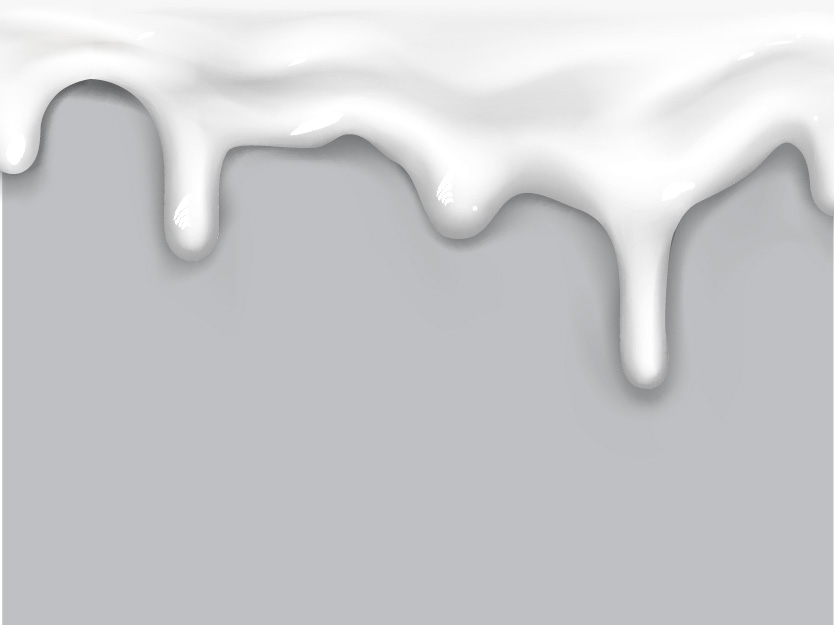
Two-component water-based glue for wood joining
Characteristics
- TECHBOND two-component water-based glue for wood joining has the ability to withstand harsh weather conditions, resist moisture, and endure high heat, meeting the requirements of the D4 class (according to European standards).
- Well-suited for various application methods: manual, semi-automatic, or automatic machines.
- The adhesive ensures aesthetic appeal for the finished product, leaving no glue lines and maintaining stability on the material’s surface.
- Two-component water-based glue can be used for various types of wood, such as hardwood, softwood, oily wood, plywood, etc. This provides users with flexibility in production and minimizes the process of selecting suitable glue for each type of raw material.
- The wear and tear on production equipment is minimized due to the low corrosiveness of these glues.
- The ratio of additives can be adjusted to modify the glue’s properties to suit the intended use.
>> You may also be interested in:
Comparing wood joining with two-component water-based glue using a high-frequency machine and a rotary clamp
A rotary clamp uses rotational force to press the wood pieces together. Rotary clamps are typically used for joining small wood panels with a thickness of 10mm or less.
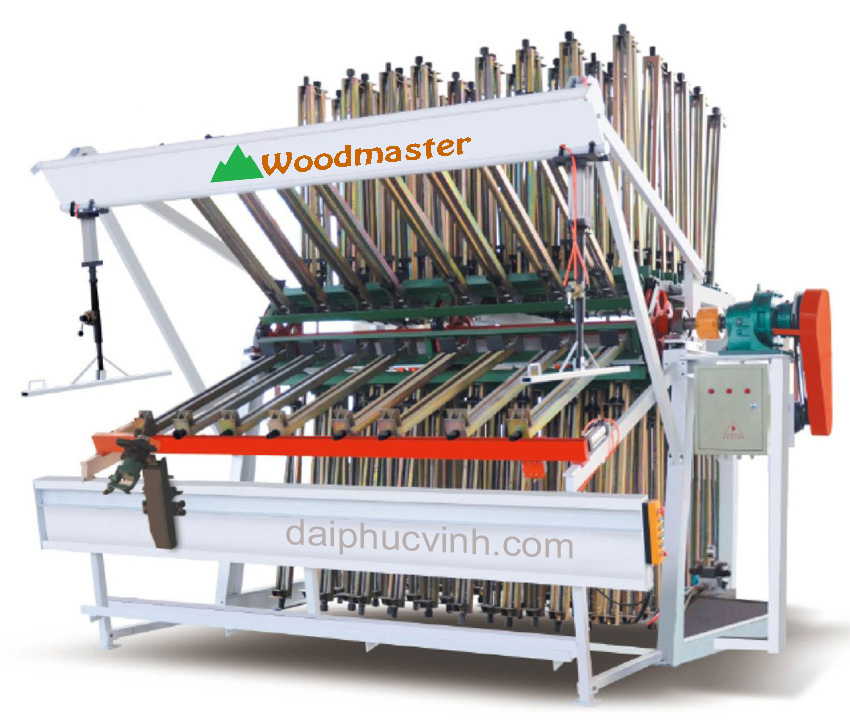
Water-based wood glue is flexibly applied with various industrial machines.
A high-frequency joining machine uses heat and pressure to cure the glue and bond the wood pieces. High-frequency machines are usually used for joining large wood panels with a thickness of 20mm or more.
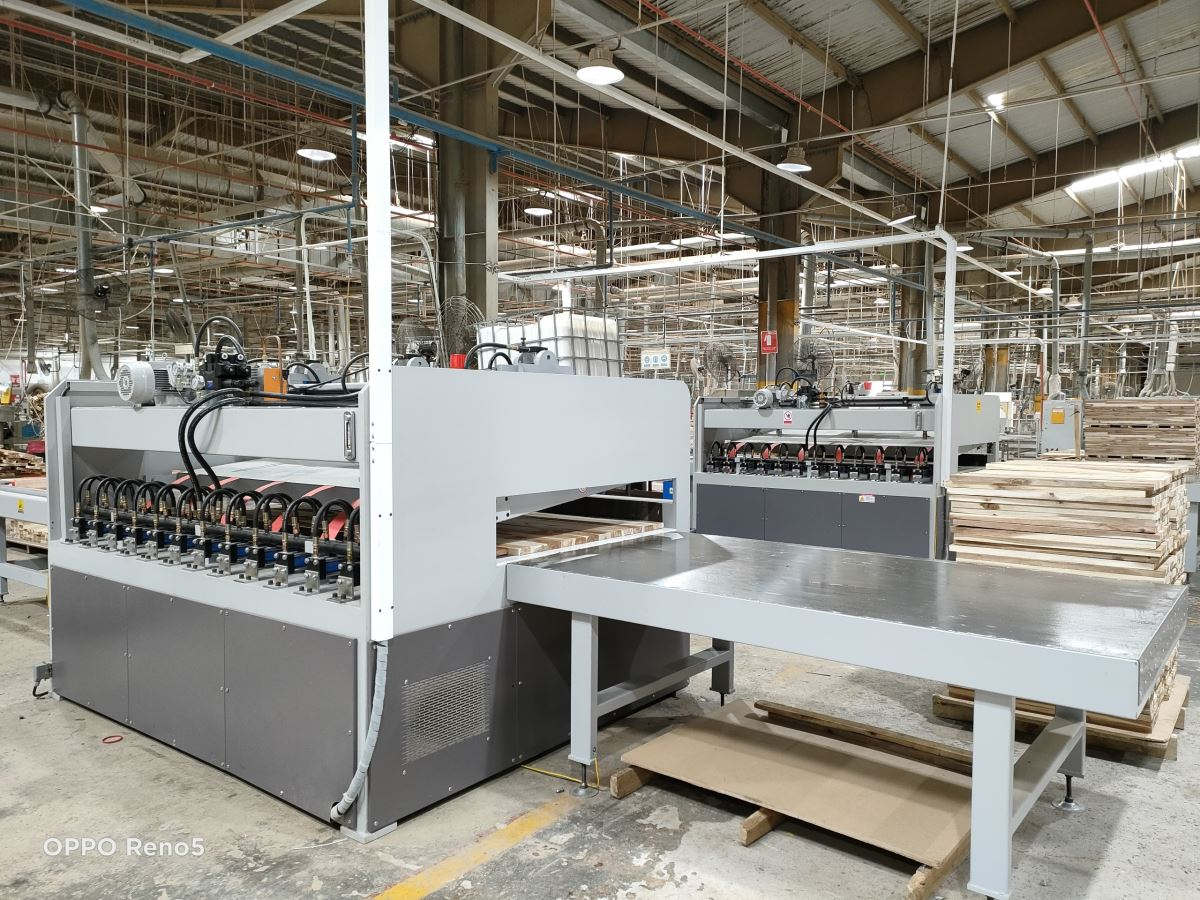
Comparing wood joining with two-component water-based glue using a high-frequency machine and a rotary clamp
Additionally, compared to traditional methods, high-frequency waves make the wood joining process faster and more efficient due to their ability to cure the glue 5 to 10 times faster.
Below is information comparing wood joining with two-component water-based glue using a high-frequency machine and a rotary clamp. This will help you choose the right wood joining method for your needs.
| Rotary Clamp Machine | High-Frequency Joining Machine | |
| Average pressing time per cycle | 45 – 60 minutes | 2 – 3 minutes of hot pressing
1 – 2 minutes of cold pressing |
| Input workpiece requirements | Workpieces do not need to be perfectly flat | Workpieces must have uniform thickness (deviation no more than 2mm)
Workpieces must be planed on all 4 sides to be pressed Minimal warping of workpieces Workpiece moisture content below 10% |
| Maximum workpiece size | Pressing wood strips and panels of various sizes. | Pressing panel products, combined with finger jointing and longitudinal splicing machines. |
| Most suitable users | Small-scale production
No large volume requirements Short workpiece production |
Industrial production requiring high capacity
An indispensable component in large production lines along with other machines such as: 4-side planer, 2-side planer, finger jointer, longitudinal splicer. Combined with a glue spreader for high efficiency. |
Important notes when choosing and using water-based wood glue for high-frequency joining machines
Water-based wood glue for high-frequency joining machines has its own distinct characteristics, which should be considered during selection and usage to ensure the quality of the joints.
- Mix the two components according to the specified ratio to ensure the best adhesive quality (refer to the manufacturer’s instructions or adjust according to usage needs);
- After mixing, the two-component glue has a maximum pot life of 40 – 60 minutes; exceeding this time will reduce its effectiveness and bonding strength. Therefore, it is necessary to use the glue within the specified time and mix just enough to avoid waste.
- Water-based glue should be stored in a cool, dry place.
- Tools should be cleaned immediately after use to prevent the glue from hardening, which would make cleaning difficult and affect future bonding quality.
>>> See more: How to use water-based wood glue properly and effectively
Where to buy high-quality two-component water-based glue
TECHBOND is a leading and reputable enterprise in Vietnam in manufacturing and supplying industrial adhesives. With over 28 years of experience, Techbond provides customers with high-quality products, competitive prices, and thoughtful customer service.
Conclusion
Above is the information comparing wood joining with two-component water-based glue using a high-frequency machine and a rotary clamp. Hopefully, the article has helped you choose the appropriate wood joining method as well as providing useful notes for effective adhesive usage. If you need product consultation and quotes, please contact TECHBOND via the information below.
TECHBOND MFG (VIETNAM) CO., LTD.
- Address: No. 18 VSIP II-A, Street 23, Vietnam – Singapore Industrial Park II-A, Vinh Tan Ward, Tan Uyen City, Binh Duong Province, Vietnam
- Hotline: 0866 15 37 68 (Contact for purchasing)
- Email: info@techbond.com.vn

Need advice on the right industrial adhesive?
Share your materials, application and production process. TECHBOND will help recommend a suitable solution.
Request a consultation