Knowing how to use water-based wood glue properly will help you achieve the highest efficiency in wood joining. In this article, TECHBOND will share the steps of usage as well as the characteristics and important notes of water-based wood glue.
Table of Contents
What is water-based wood glue?
In the past, when assembling wooden parts, people often thought of chiseling and carving to create joints. This caused some impacts on the quality, time, and aesthetics of the product. The invention of wood glue solved that problem.
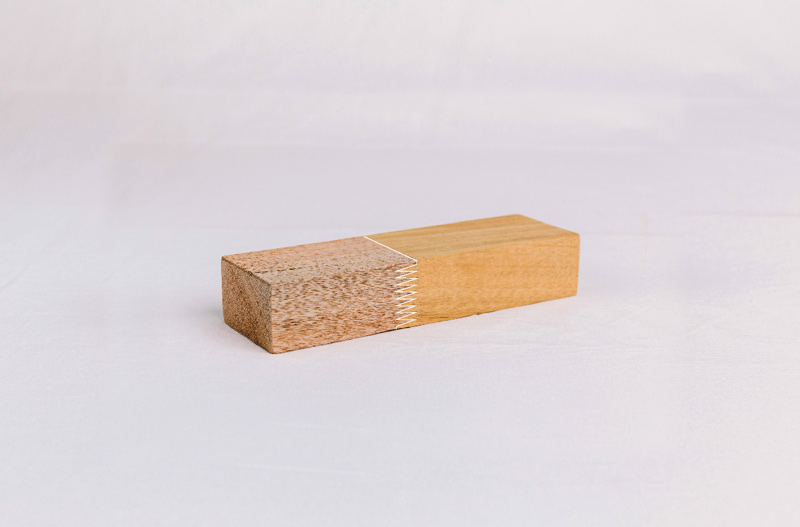
One-component water-based glue is commonly used for finger jointing
Wood glue is an adhesive made from polyvinyl acetate (PVA) with a milky white color and high adhesion. The glue is commonly used in the indoor and outdoor wooden furniture manufacturing industry for joining wood panels, splicing, assembling…
Depending on the ingredients, water-based glue is classified into one-component water-based glue (ready to use, fast drying time) and two-component water-based glue (including glue and a catalyst).
High-quality water-based wood glue needs to meet the following standards:
- Load-bearing capacity: This is one of the most outstanding advantages of water-based wood glues. The product can be applied in the construction of large projects, maintaining the necessary stability and adhesion between surfaces.
- Heat and water resistance: Helps increase the lifespan and durability of the bonded area.
- Flexibility: High-quality water-based glue needs to work well on various materials (natural wood or engineered wood) and joint positions (panel jointing, finger jointing, etc.).
- Safety: Some water-based wood glue products contain Urea Formaldehyde (a colorless, pungent organic compound that is toxic to the body). However, the content of this substance is controlled according to E0, E1, and E2 standards. Therefore, customers should carefully choose to buy glue from reputable brands to ensure a safe product.
Applications of water-based wood glue
Water-based glue for panel jointing
TECHBOND provides a range of two-component water-based glues suitable for panel jointing applications in the woodworking industry. This type of glue is very diverse with many different product codes, fully meeting D3 and D4 standards for heat and solvent resistance,…
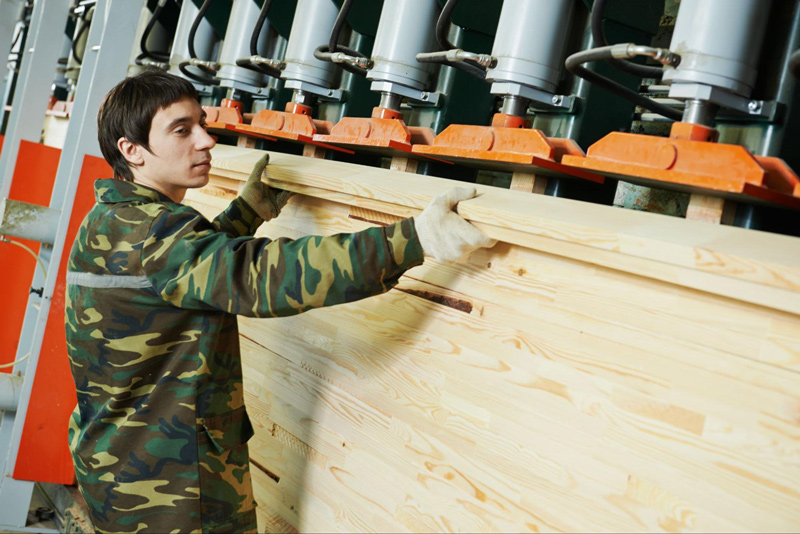
Panel jointing by cold pressing method, using two-component water-based glue
Water-based glue for finger jointing
One-component water-based wood glue is applied when joining wood pieces together longitudinally, also known as finger jointing. Depending on the finger jointing requirements or the type of wood, you can choose the appropriate jointing glue.
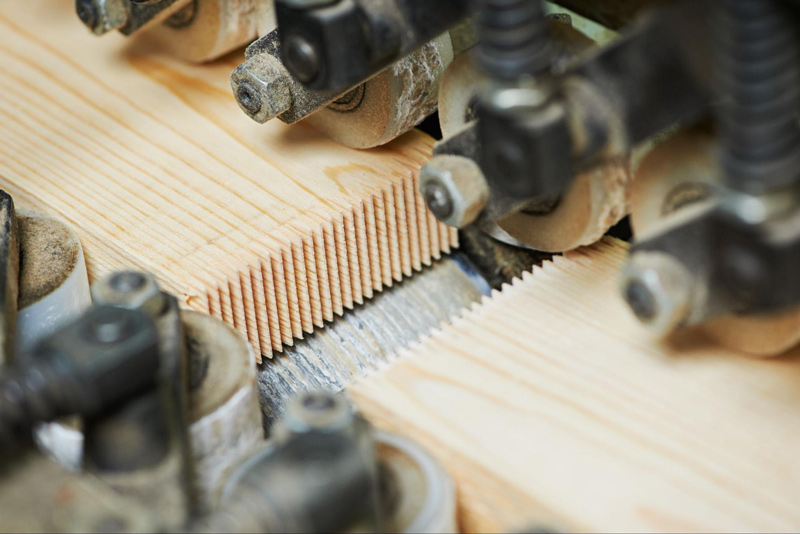
Application of longitudinal wood splicing using water-based glue
Water-based glue for assembly
There are many types of glue used for assembling furniture products, including water-based glue and 2-component AB glue. TECHBOND is confident in providing the best adhesive solutions for the woodworking industry.
How to use water-based wood glue
Water-based glue is applied to various wood joining stages in the furniture manufacturing industry, including panel jointing, finger jointing, assembly, etc. However, the basic process for wood joining can be performed as follows:
Surface preparation
To ensure bonding efficiency, the material surface must be cleaned, free from dust, dirt, or grease stains. At the same time, the bonding material must be completely dry.
Spreading glue and joining the wood pieces together
- In the case of using one-component water-based glue, you use it directly (shake the product well before use). If using two-component water-based glue, you need to mix it according to a specific ratio to achieve the desired adhesion and drying time.
- Depending on the surface area to be bonded, adjust the amount of glue accordingly (apply an adequate amount, neither too little nor too much). Spread the glue evenly on the bonding area and join the wood pieces together.
- After joining the wood panels together, press and hold the bonded surfaces together for about 2 – 3 minutes to let the glue dry.
Waiting for the glue to dry
- The drying time depends on the specific type of glue used or the different wood joining methods, which will have varying drying times, such as cold pressing or high-frequency pressing…
- After the glue temporarily dries, the joint has achieved a certain level of adhesion and can proceed to other production stages without waiting for the glue to cure completely. This helps save and optimize time for the production process.
Cleaning excess glue after bonding
- Wipe off the glue that has spread out before it dries to ensure aesthetic appeal.
- After using the water-based glue, remember to close the bottle cap carefully so the glue does not dry out and store it in a cool, dry place.
Important notes when bonding wood with water-based glue
Use the correct standard glue for each material and environmental condition, with appropriate features.
Water-based glue has a characteristic sour and pungent odor, so you should wear a mask during use. Also, do not use water-based wood glue in enclosed spaces as it can cause discomfort or suffocation.
Water-based glue is water-soluble, so users can mix it with a little water to thin it out (making it easier to spread and saving glue). When mixing with water, pour water into the glue in small amounts, mix thoroughly, and let it rest for 8 – 10 minutes for the mixture to blend well. Please consult the manufacturer before mixing the glue with water.
All the information provided above is for reference only; each type of glue and different application will have a distinct detailed process. Please contact TECHBOND for more detailed advice on your wood joining application.
Where to buy high-quality water-based wood glue
Throughout its 25 years of formation and development, TECHBOND MFG Vietnam has always been a pioneer in researching and applying new technologies to produce adhesive lines, especially water-based wood glue.
TECHBOND brand adhesives are committed to perfectly meeting the requirements for concentration, adhesion, viscosity, drying time, and aesthetic requirements. In addition, they meet D3 and D4 standards for heat resistance, solvent resistance, etc.
With modern production lines and technological autonomy, we can adjust the ratio of ingredients in the adhesive to meet the technical specifications required by our customers.
TECHBOND Vietnam also aims for comprehensive customer service from consultation and production to delivery. Our professional advisory team provides support to quickly resolve and handle any issues arising during the use of adhesives due to manufacturer defects, striving for the highest level of satisfaction.
Hopefully, through the article above, readers have gained a better understanding of how to use water-based wood glue as well as the characteristics and important notes of this product line! Please contact us directly for specific consultation and own high-quality adhesive products today!
SEE MORE:
TECHBOND MFG (VIETNAM) CO., LTD.
- Address: No. 18 VSIP II-A, Street 23, Vietnam – Singapore Industrial Park II-A, Vinh Tan Ward, Tan Uyen City, Binh Duong Province, Vietnam
- Hotline: 0866 15 37 68 (Contact for purchasing)
- Email: info@techbond.com.vn
Read more: Refer to panel jointing wood adhesives, check the guide on panel jointing glue, and learn more about water-based glue for finger jointing.

Need advice on the right industrial adhesive?
Share your materials, application and production process. TECHBOND will help recommend a suitable solution.
Request a consultation