
This MDF edge banding adhesive comparison examines conventional hot melt, reactive PUR hot melt and water-based PVA adhesives. Each technology has a different processing window and finished-bond behavior. TECHBOND outlines the practical differences so furniture manufacturers can choose a grade for the actual panel, edge strip and production line.
Nội dung bài viết
The three adhesive options
Edge banding covers the exposed side of MDF with PVC, ABS, melamine or wood veneer. It improves the look of the panel and can help protect the edge when the complete construction is correctly made. The Vietnamese source compares pellet hot melt, PUR hot melt and PVA glue. The terms describe broad families; performance varies considerably within each family.
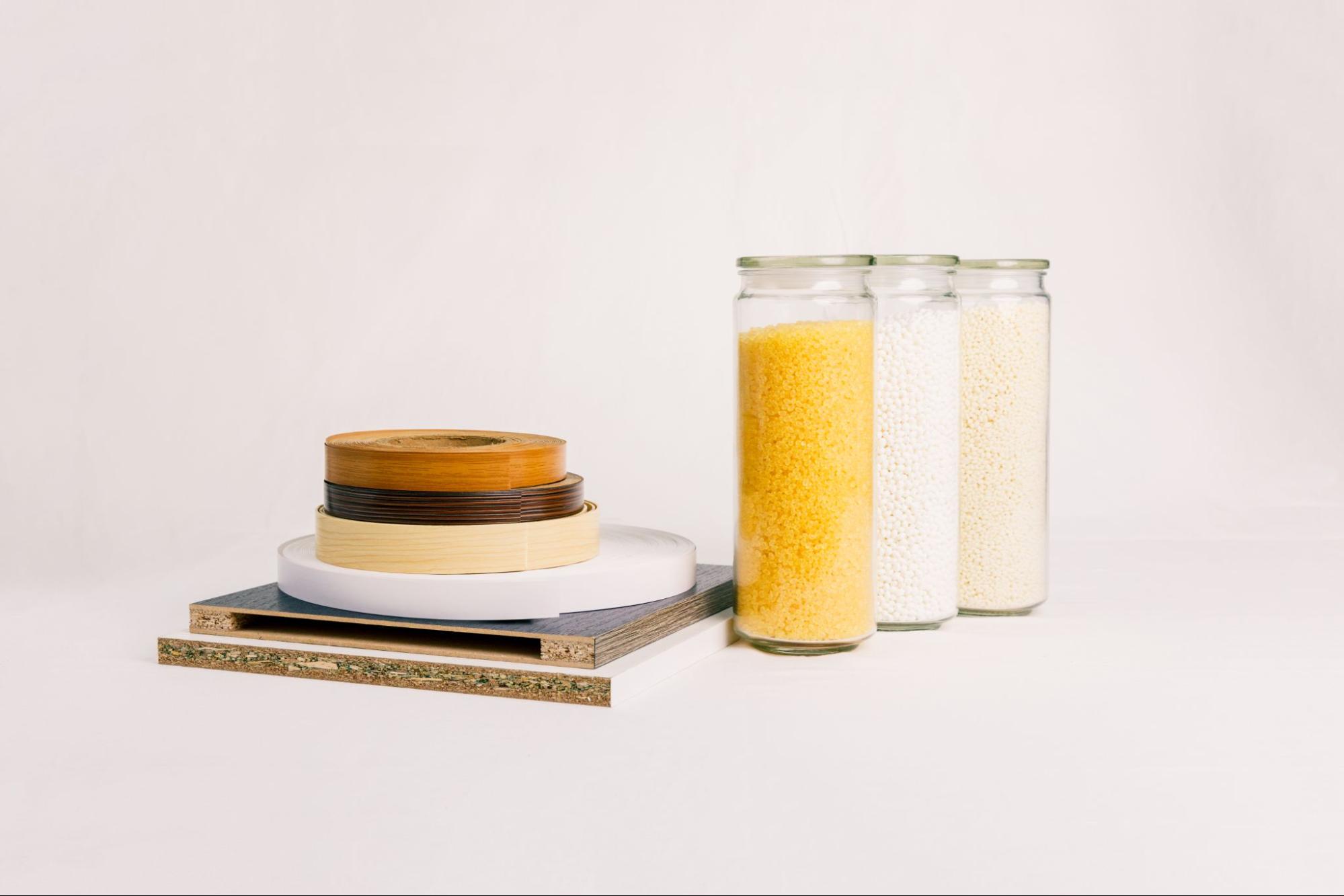
Hot melt, PUR and PVA are adhesive families considered for MDF edge bonding.
Set and cure time
A conventional hot melt gains handling strength as it cools. PUR polyurethane hot melt also sets on cooling, then continues a moisture-driven curing reaction. A water-based PVA adhesive must lose water and form its bond, so drying can take longer depending on coat weight, substrate absorbency and conditions. Final cure and handling strength are different measures; check both before trimming or packing.
Adhesion and durability
A suitable PUR grade may offer useful strength and durability for demanding edge applications. Conventional hot melts can work well in indoor furniture production when properly matched to the board and strip. PVA products can bond porous materials, but many edge banding lines and nonporous strips require a different process or formulation. No adhesive family is automatically stronger on every material pair.
Moisture and heat exposure
Reactive PUR can be considered when the finished edge must tolerate more demanding heat or humidity, provided that the specific grade and panel construction pass the required tests. Conventional hot melt formulations also differ in heat resistance. PVA grades vary in water resistance, so describing all PVA as non-water-resistant would be misleading. Even a suitable adhesive will not make an unprotected MDF panel waterproof.
Comparison table
| Selection factor | Conventional hot melt | Reactive PUR hot melt | Water-based PVA |
|---|---|---|---|
| Initial handling | Sets on cooling | Sets on cooling | Depends on drying and pressing |
| Final bond development | Primarily physical set | Further moisture-driven cure | Water loss and bond formation |
| Typical line fit | Common on automated edge banders | Requires PUR-compatible equipment and handling | Depends on substrate and machine design |
| Heat and moisture | Grade-dependent | Grade-dependent; often selected for demanding conditions | Grade-dependent; verify the required class |
| Maintenance | Control heating and tank cleanliness | Protect uncured adhesive from moisture and clean correctly | Control drying and equipment cleaning |
This MDF edge banding adhesive comparison table is a screening guide, not a specification. Test the exact product and finished panel against the customer’s requirements. TECHBOND’s industrial adhesive overview provides more background on common technologies.
How each option can fit production
Conventional pellet hot melt
Pellet hot melts can support fast automated edge banding because the bond sets as the adhesive cools. They are often considered for standard indoor cabinets, desks and shelving. Matching open time and viscosity to the machine helps prevent gaps and excessive glue lines. If the part will face high heat or humidity, validate the exact hot melt grade under those conditions.
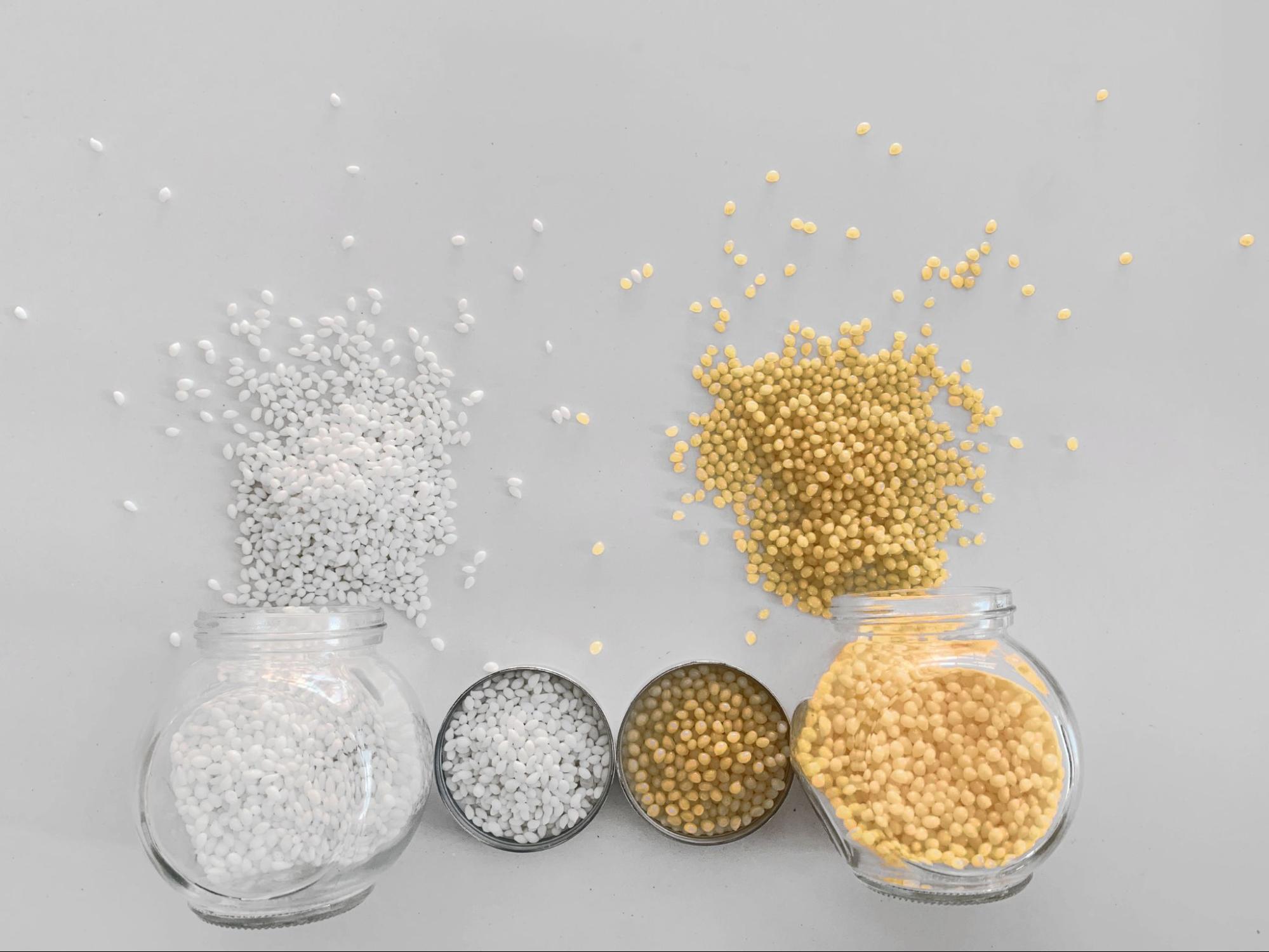
Production speed, material choice and service conditions guide adhesive selection.
For more detail on one conventional technology, see the English guide to EVA hot melt adhesive. Formulation and equipment settings still determine whether a particular grade suits MDF edge banding.
Reactive PUR hot melt
PUR hot melt combines initial set with further curing, making it a candidate for edges with higher service demands. Its result depends on compatible PVC, ABS, melamine or veneer backing, clean MDF edges, adhesive spread, roller pressure and adequate cure time. It may cost more per unit of adhesive, so compare finished-panel performance and total production cost rather than price alone. TECHBOND’s PUR edge banding guide explains the process in more detail.
A PUR label is not a guarantee of outdoor suitability. Outdoor claims require testing of the entire board, edge strip and bond under the relevant exposure conditions. Equipment must also be compatible with reactive PUR and kept clean.
Water-based PVA
PVA can be convenient for porous wood and paper-based materials. In MDF edge bonding, it needs a compatible edge material and a process that allows drying and pressure. It may be less suitable for fast lines using a nonporous plastic strip unless a suitable formulation and setup are proven. Review the grade’s moisture classification and safety documentation rather than assuming all PVA products perform alike.
Water-based PVA needs a compatible material pair and enough drying time.
A practical selection checklist
- Identify MDF grade, edge strip material and any primer or surface coating.
- Record machine type, line speed, melt or drying equipment and available pressing time.
- Define the required heat, humidity and handling performance of the finished panel.
- Make trial pieces and inspect glue-line appearance, peel strength and aging behavior.
- Compare total cost, including adhesive use, machine cleaning, downtime and rejected parts.
This MDF edge banding adhesive comparison is a starting point. Share the materials and performance target with TECHBOND for a grade recommendation and representative production trial. See the broader woodworking adhesives guide for related applications.
TECHBOND MFG (Vietnam) Co., Ltd.
- Address: No. 18 VSIP II-A, Street 23, Vietnam–Singapore Industrial Park II-A, Vinh Tan Ward, Tan Uyen, Binh Duong, Vietnam
- Sales hotline: 0866 15 37 68
- Email: info@techbond.com.vn

TECHBOND Vietnam is a leading manufacturer of industrial adhesives in Vietnam. We specialize in providing a wide range of flexibly customized adhesive products to meet the diverse requirements of our customers.
Need advice on the right industrial adhesive?
Share your materials, application and production process. TECHBOND will help recommend a suitable solution.
Request a consultation







